

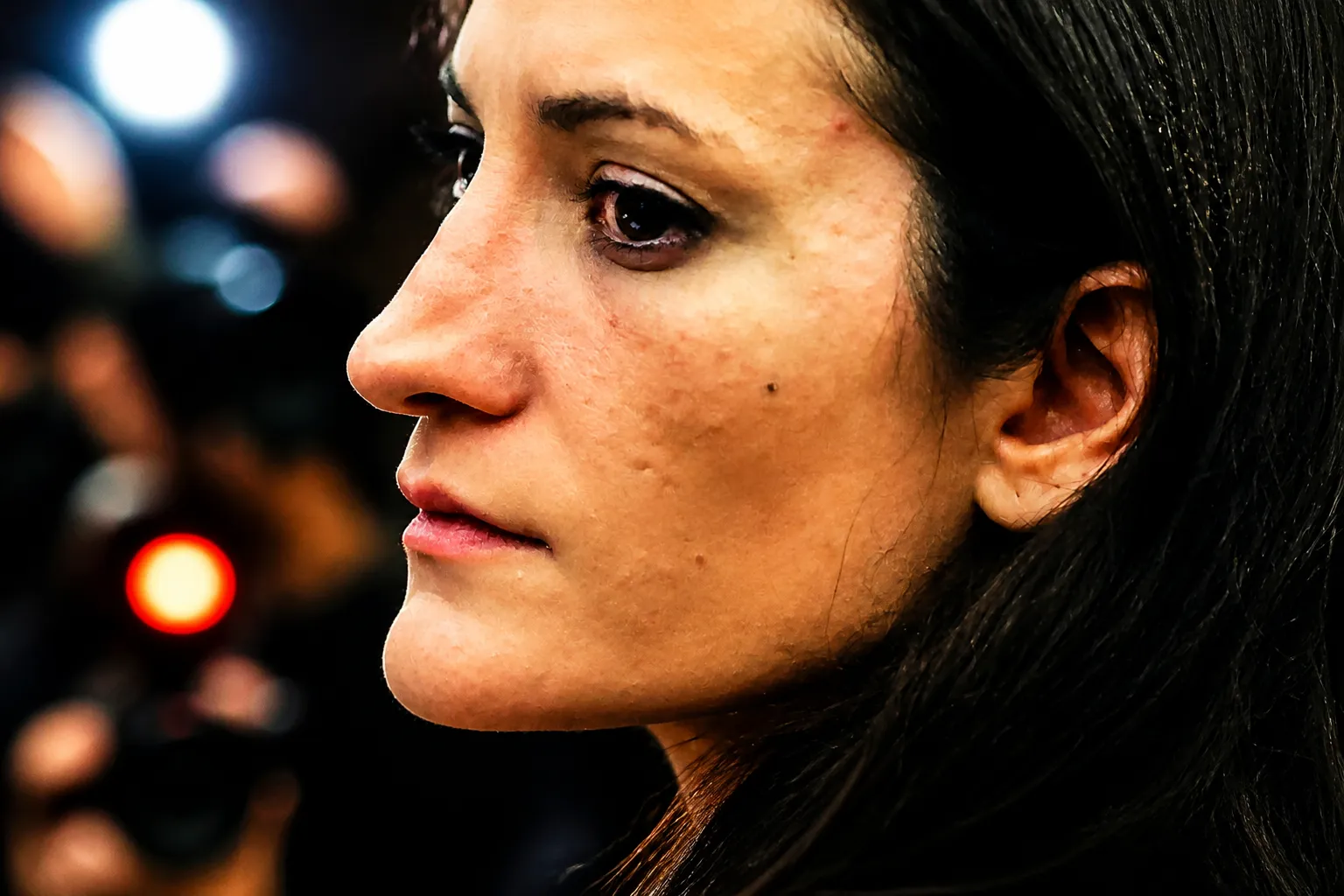
Judge William Sullivan declared a mistrial in the Lindsay Clancy murder trial on September 4 after the jury failed to reach a verdict.
Clancy, 36, a former labor and delivery nurse, will remain held at a psychiatric hospital while prosecutors weigh their next move, with a status hearing scheduled for September 29 in Massachusetts. The trial centered on whether she is criminally responsible for killing her three children — Cora, five, Dawson, three, and Callan, eight months — in January 2023, a fact her defense never disputed.
The deadlock traced back to a single juror. On Thursday, a note delivered to the judge revealed that one member of the 12-person panel — nine women and three men — would not follow instructions on reasonable doubt. Sullivan questioned each juror privately, reminded them of his instructions, and sent them back to deliberate.
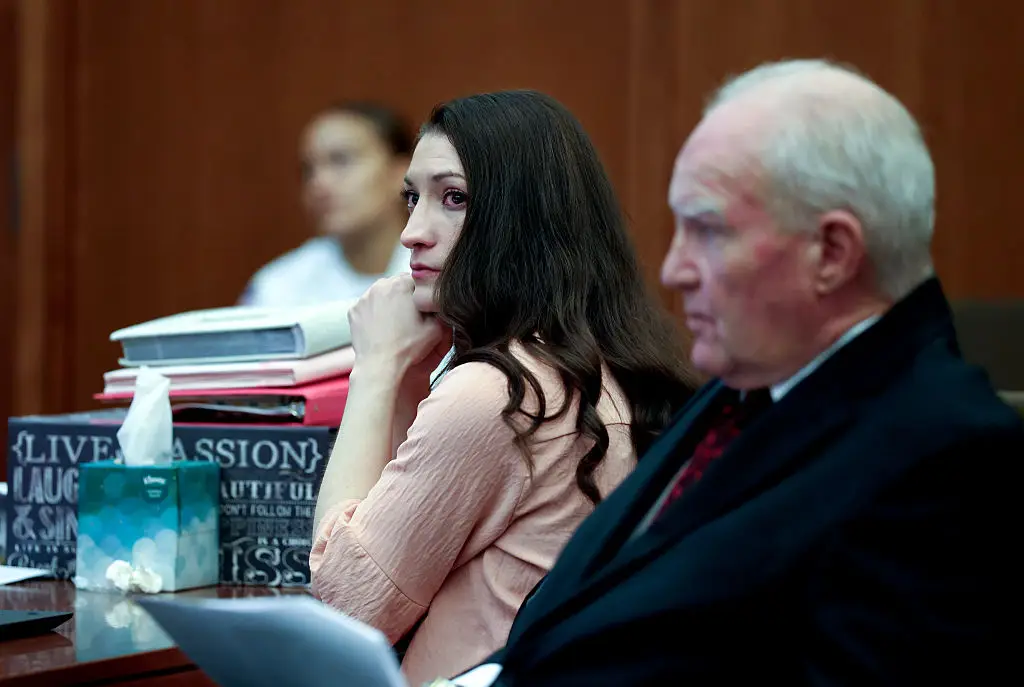
Clancy’s attorney, Kevin Reddington, moved to have the holdout removed. “I believe that this is a situation where there is a clear and present danger that this individual, for some reason… Is taking a position that’s intractable regardless of proof beyond a reasonable doubt,” he said.
Sullivan denied the request. Reddington then filed an emergency appeal to the Massachusetts Supreme Judicial Court, which was denied nearly three hours later. He made one final plea to Sullivan before the mistrial was declared.
“We have a juror who has, according to the foreperson, is the only person who is basically holding out, so to speak, and unfortunately, they’re not holding out based on a good faith issue with the facts or with the law,” Reddington argued. “But they’re holding out as a result that, even though they have agreed and expressed doubt, they are refusing to apply the laws you’ve given.”
Sullivan again denied the request, citing his earlier reasoning. He then recalled the jury and officially declared the mistrial.
“Each one of you knew how long the case was going to go. You knew how difficult the case was going to be to listen to facts-wise, but still, you braced for that duty,” Sullivan told the dismissed panel. “I understood that you all gave everything you could, and probably more than you thought you could, and so, on behalf myself, I just want to thank you so much.”
The mistrial leaves prosecutors with three paths forward. Retrying Clancy before a new jury would require fresh jury selection and a new trial date. A plea agreement represents a second possibility. Boston defense attorney Brad Bailey, a former prosecutor not involved in the case, said News that the prospect of facing another murder trial could prompt Clancy’s lawyers to explore whether prosecutors are interested in reaching a resolution.
The third option would be dropping the charges entirely. “Sometimes they decide not to, because of the sense that there may be the same result each time they try it, and because of the expenditures involved in trying the case to begin with, particularly when you have expert witnesses,” Bailey explained. “Those are going to be expensive cases.”
Legal analyst and former federal prosecutor Neama Rahmani added: “In Massachusetts, the burden is on the prosecution to prove criminal responsibility beyond a reasonable doubt,” He continued: “In Massachusetts, the prosecution has to prove that Lindsay Clancy is not insane. So, if there is any reasonable doubt that Lindsey Clancy is insane, the jurors have to acquit.”
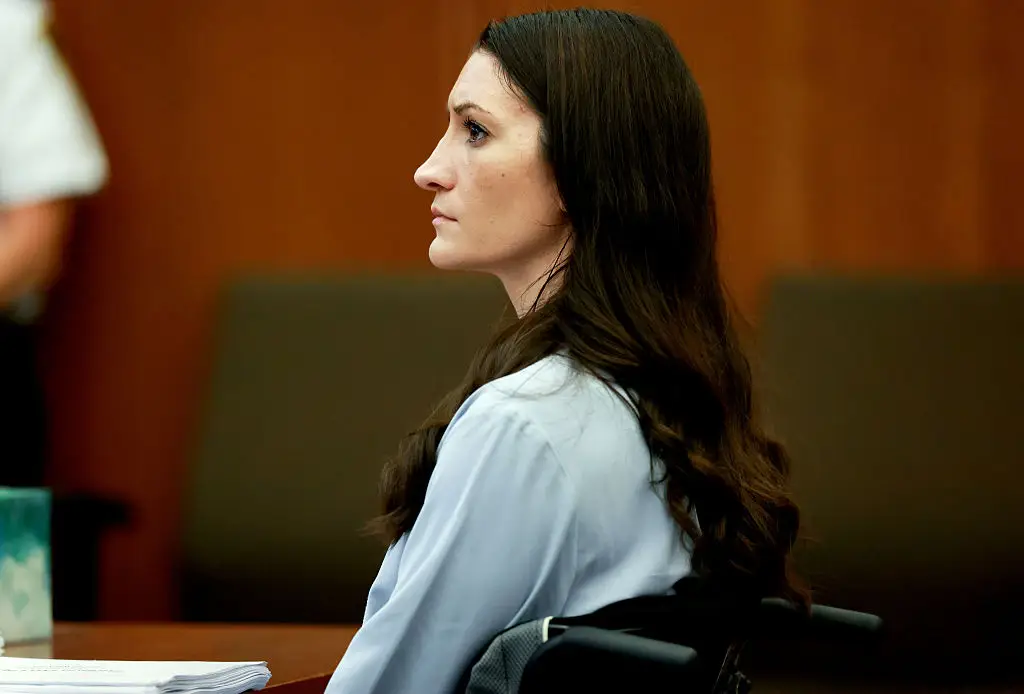
The September 29 hearing will address status, trial assignment, and a motion to discuss rule 25.