

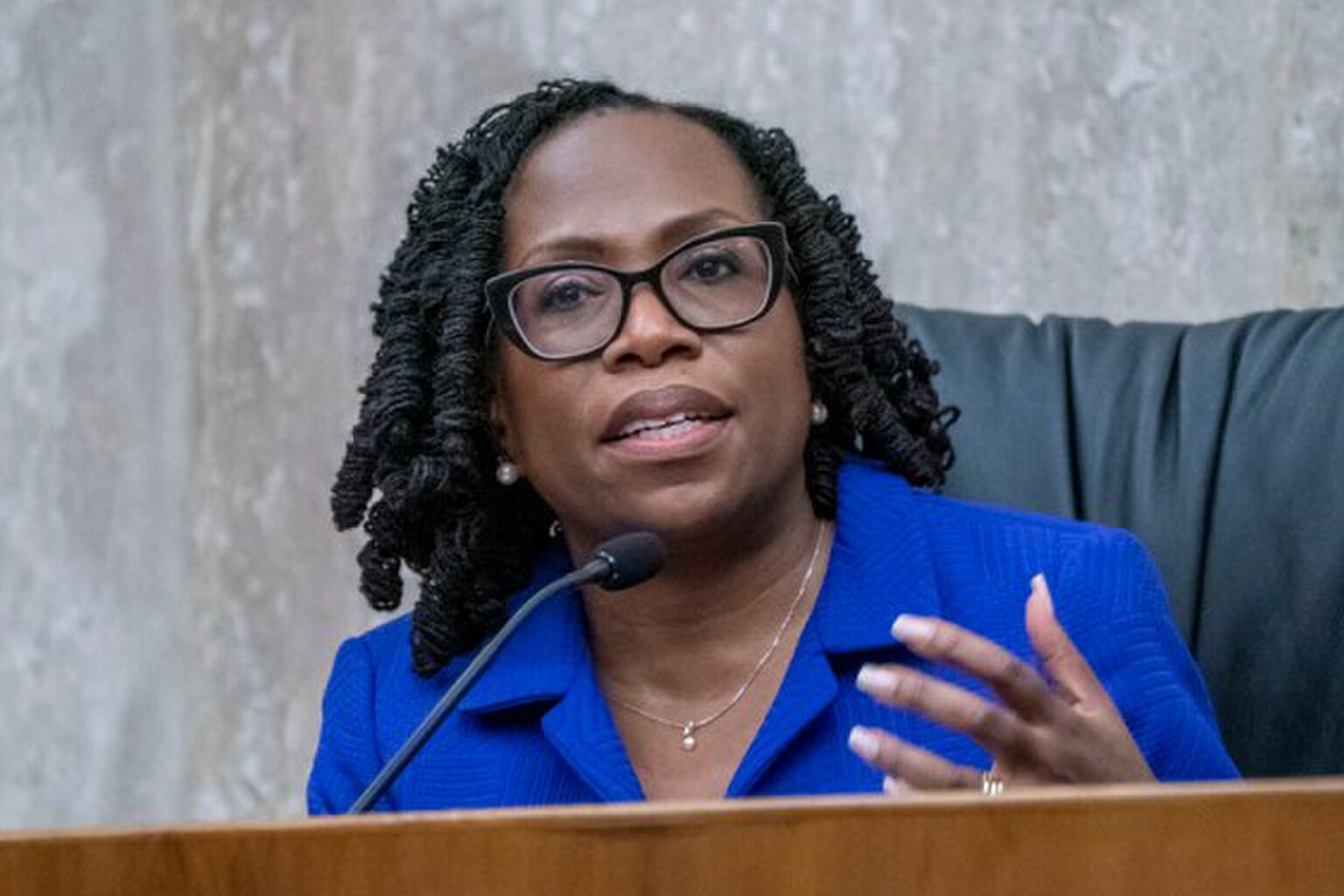
Supreme Court Justice Ketanji Brown Jackson publicly condemned her colleagues’ reliance on the emergency docket during a speech Thursday at the University of the District of Columbia.
Jackson, 56, appointed by former President Joe Biden, delivered an unusually direct attack on how the current bench handles rushed rulings that let the Trump administration advance contentious policies without full briefing or argument. She warned that the court’s repeated interventions risk destroying public confidence in the judiciary itself.
“We cannot expect the public to have faith in our judicial system if, without clear explanation, we are consistently green-lighting harmful acts that do real damage to litigating plaintiffs,” she said in her remarks.
The justice has built a record of dissenting from these emergency orders, once branding the approach “Calvinball jurisprudence” in a written opinion about National Institutes of Health grants — a reference to the made-up-rules game from the “Calvin and Hobbes” comic strip.
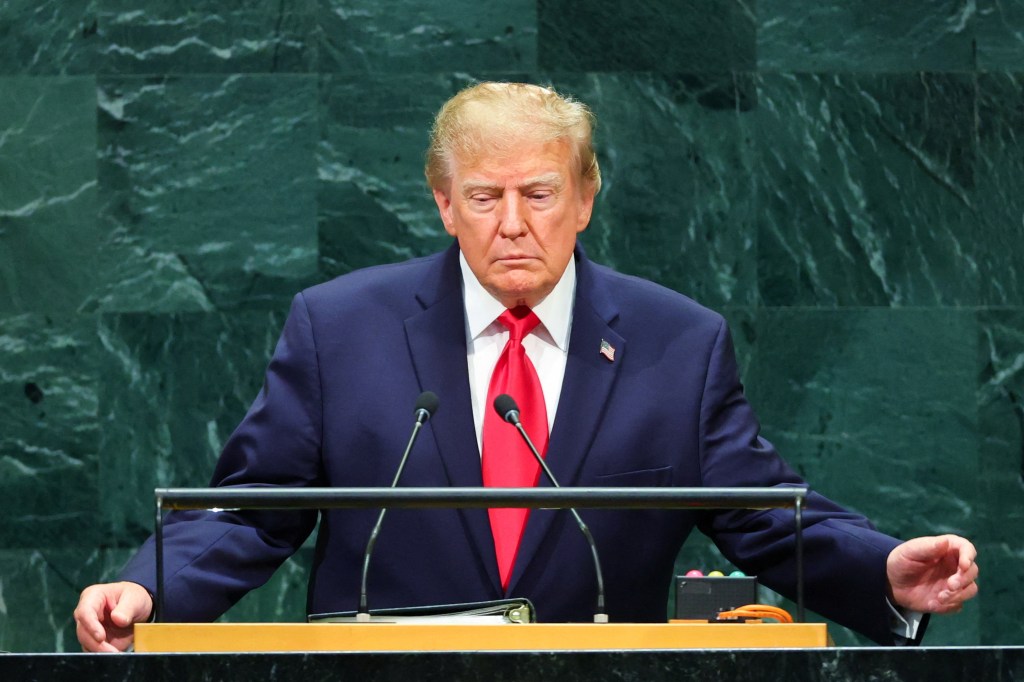
Her Thursday speech sharpened that critique into a broader indictment of institutional drift. Jackson argued that earlier Supreme Courts stayed out of political thickets, but the current majority has abandoned that self-restraint.
“Very little good comes from taking an institution that is supposed to be operating outside of the political realm and routinely steering it into the fray,” she contended. She continued: “While past iterations of the Supreme Court followed that maxim, the current bench has been noticeably less restrained, especially with respect to pending cases that involve controversial matters.”
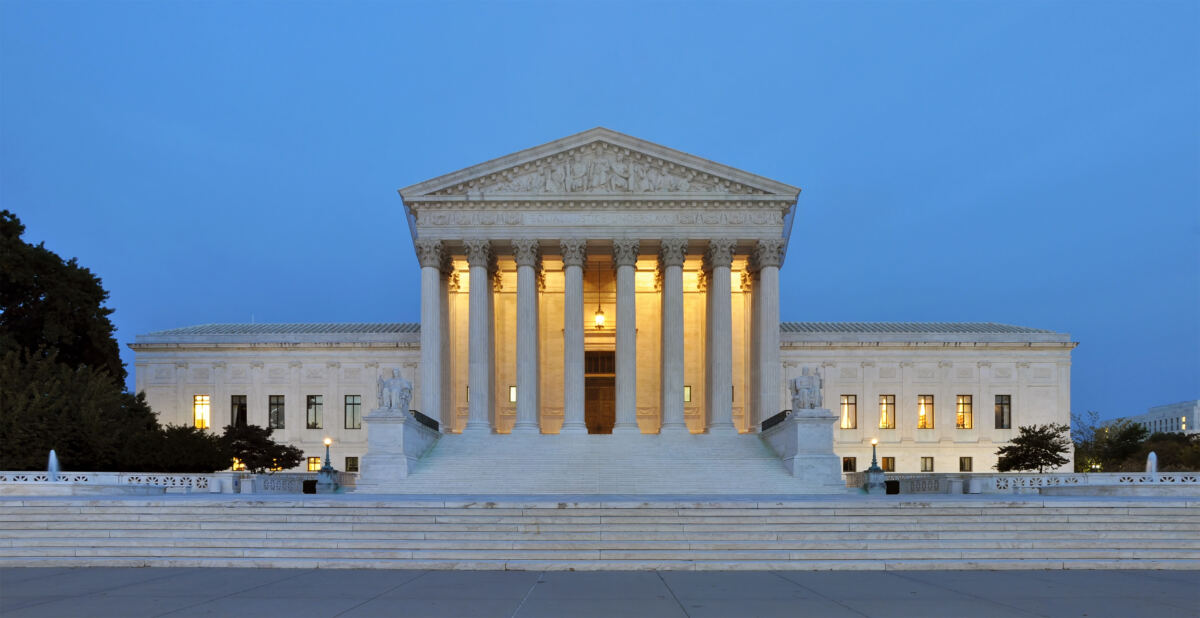
The so-called shadow docket has become a primary pathway for Trump’s Justice Department during his second term. The administration routinely asks the justices to freeze lower-court injunctions blocking its initiatives, and the court often complies without hearing oral argument or explaining which justices joined the order.
Among the actions the court has allowed through this channel: the termination of more than 1,300 Department of Education workers in July 2025, the cancellation of $783 million in NIH research grants tied to diversity, equity and inclusion programs in August 2025, and widespread immigration raids across Los Angeles.
The justices have rejected Trump in some emergency applications, including blocking his deployment of the National Guard to Chicago in December 2025 and striking down tightened mail-in voting rules earlier this month. Those exceptions, however, have done little to quiet criticism that the process lacks transparency, since vote counts and reasoning typically remain hidden.
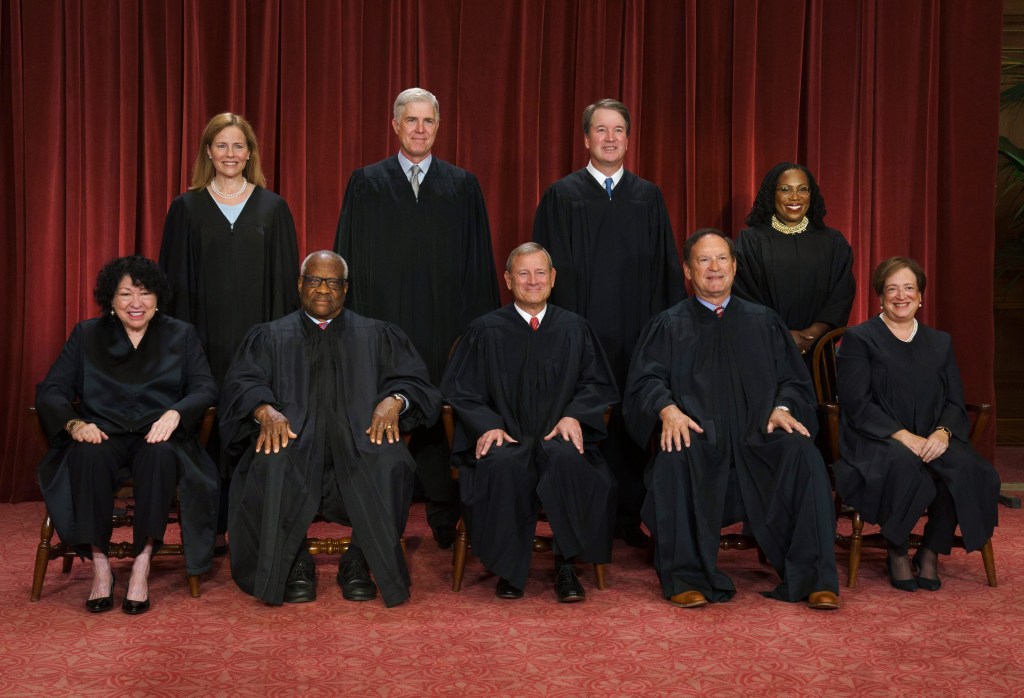
Jackson urged a return to what she called “first principles” — greater caution before inserting the court into politically charged disputes still winding through the lower courts. The opaqueness of the emergency process, she suggested, compounds the damage by leaving citizens unable to understand who authorized the government action or why.
The Supreme Court’s 2026-27 term begins Oct. 5.