

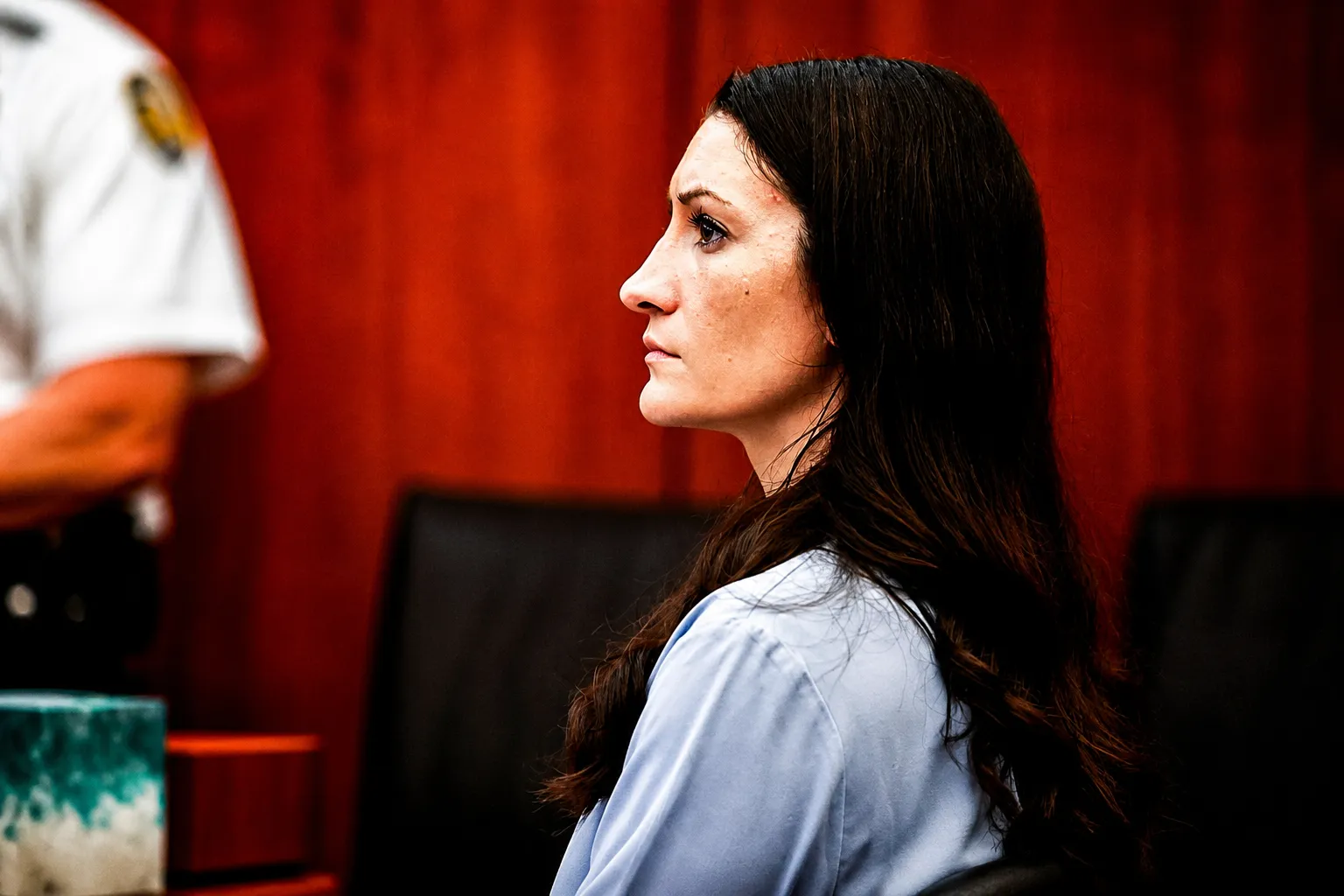
The Lindsay Clancy jury has told the court it cannot reach a unanimous verdict, prompting the judge to order deliberations to continue.
Judge William Sullivan, who has presided over the five-week murder trial at Plymouth County Superior Court, received the deadlock notice after four days of jury discussions. The panel of nine women and three men had heard testimony from 85 witnesses and reviewed more than 300 exhibits before beginning their closed-door talks.
Sullivan addressed the jurors directly in the courtroom. “I know that this was a long trial,” he said. “I know there were over 80 witnesses, over 300 exhibits, but because of that, I’m going to ask you to go back out, keeping in mind all the instructions that I gave you. To go out and to continue your deliberations at this time.”
The jury had signaled potential struggles with a specific evidence request on Friday, August 28, when they asked Sullivan to review pill bottles and a knife that had been entered into the case file. The items relate to the circumstances at the center of the prosecution’s case against Clancy.
Clancy’s defense attorney, Kevin Reddington, has already committed to a path forward should the impasse hold. He stated he would “absolutely” go to trial again if the jury ends up hung.
Reddington also expressed continued confidence in the panel itself. He noted that he had “really strong faith” in the jury despite their current inability to agree on a verdict.
The case stems from the January 2023 deaths of Clancy’s three young children — Cora, 5, Dawson, 3, and Callan, 8 months — in their Duxbury, Massachusetts home. Prosecutors allege Clancy strangled each of them with exercise bands before attempting suicide by jumping from a second-story window. She survived with serious injuries including a broken back and has been wheelchair-bound throughout the proceedings. The defense has argued she was overmedicated and suffering from severe postpartum depression and psychosis, rendering her unable to form criminal intent.
The deadlock places the proceedings at a critical juncture under Massachusetts law, where a unanimous verdict is required for either conviction or acquittal. Sullivan’s decision to send jurors back rather than immediately declare a mistrial follows standard judicial practice of encouraging additional effort before accepting that consensus is impossible.
The jury will resume deliberations under Sullivan’s renewed instructions as both the prosecution and defense await whether the panel can bridge its divide.