


A UK grandfather died from prostate cancer after apparent warning signs were missed for nearly a decade, his family says.
Terry Adams first sought medical help in 2012, when he was 55, after experiencing pain in his lower back and legs along with urinary issues.
Tests at the time indicated he was likely to have prostate cancer, and further investigation was expected to follow.
According to his family, a consultant urologist sent a letter to Terry’s GP practice recommending that he undergo an urgent prostate biopsy, but no appointment was ever arranged.
Terry was reportedly never told about the letter, and the biopsy did not take place.
Over the following years, his prostate was not fully examined and his PSA levels were not checked again, despite him attending additional medical appointments and continuing to report symptoms.
It was not until 2021, around nine years after he first raised concerns, that Terry was diagnosed with advanced prostate cancer.
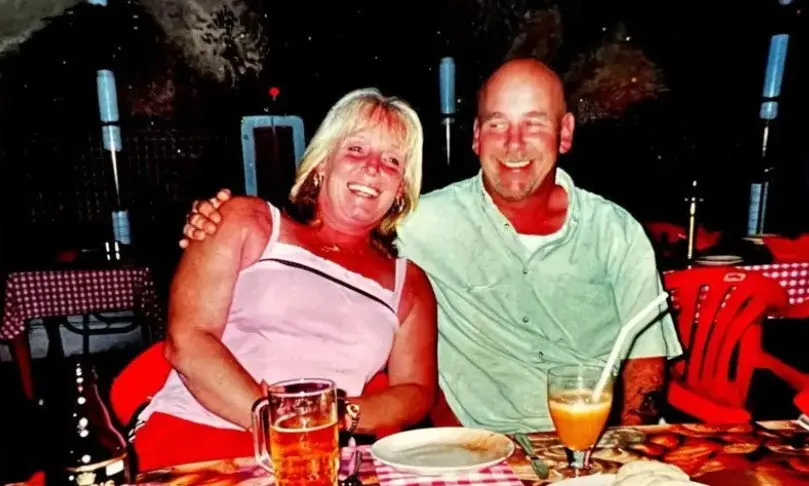
Terry’s wife, Diane, 67, said: “When he started experiencing issues Terry thought he was doing the right thing by seeking medical advice.
“However, at no stage was he led to believe there was anything serious and he may have cancer.
“What hurts the most is knowing this didn’t need to be how things turned out.
“It was unbearable for us to see his suffering and not be able to do anything.
“Terry was my best friend and soul mate.”
After receiving his diagnosis in December 2021, Terry had to give up his job as a security guard because of the pain caused by the disease.
He died in September 2024 at the age of 68.
Diane continued: “Prostate cancer took so much from Terry.
“He went from working, providing for his family and enjoying time with us all to being in constant pain and relying on others for almost everything. It completely changed our lives.
“At his first oncology appointment Terry was asked why he didn’t attend for a biopsy as at that time the cancer would have been localised and would’ve been cured.
“However, Terry didn’t have any knowledge of this information and when he obtained his medical records from his GP surgery, there was no mention that a biopsy was needed.”
Two GPs who treated Terry have since admitted a breach of duty.
Rebecca Tramaseur, a medical negligence specialist at Irwin Mitchell acting for the family, said it was worrying that “key signs of the disease” were not “acted upon”.
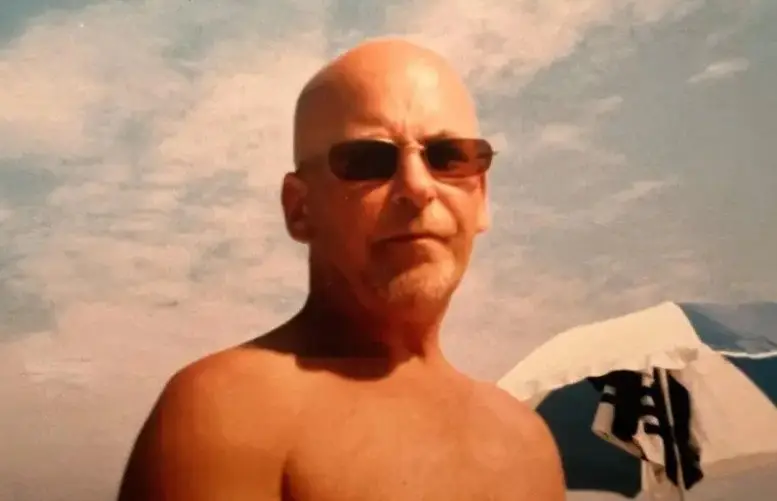
The case has also drawn attention to the importance of recognizing prostate cancer symptoms and acting quickly when further tests are recommended.
Most early prostate cancers cause no symptoms at all, but when warning signs do appear they can include changes in urination such as a weak flow, difficulty starting, needing to go more often, or waking up at night to pee. Advanced prostate cancer can also cause back pain, bone pain, weight loss, tiredness, blood in the urine or semen, and sometimes erectile problems.
In the UK, men who are referred with suspected prostate cancer are now typically offered an MRI scan first, with a biopsy recommended if specialists need more information. PSA testing is also commonly used when a doctor thinks symptoms could be linked to prostate cancer, although routine PSA screening is not offered on the NHS.
Prostate cancer remains the most commonly diagnosed cancer in men in the UK, and experts say the number of cases is expected to keep rising in the years ahead.
Mayo Clinic says early prostate cancer can sometimes cause urinary symptoms, while more advanced cases may present in different ways.