

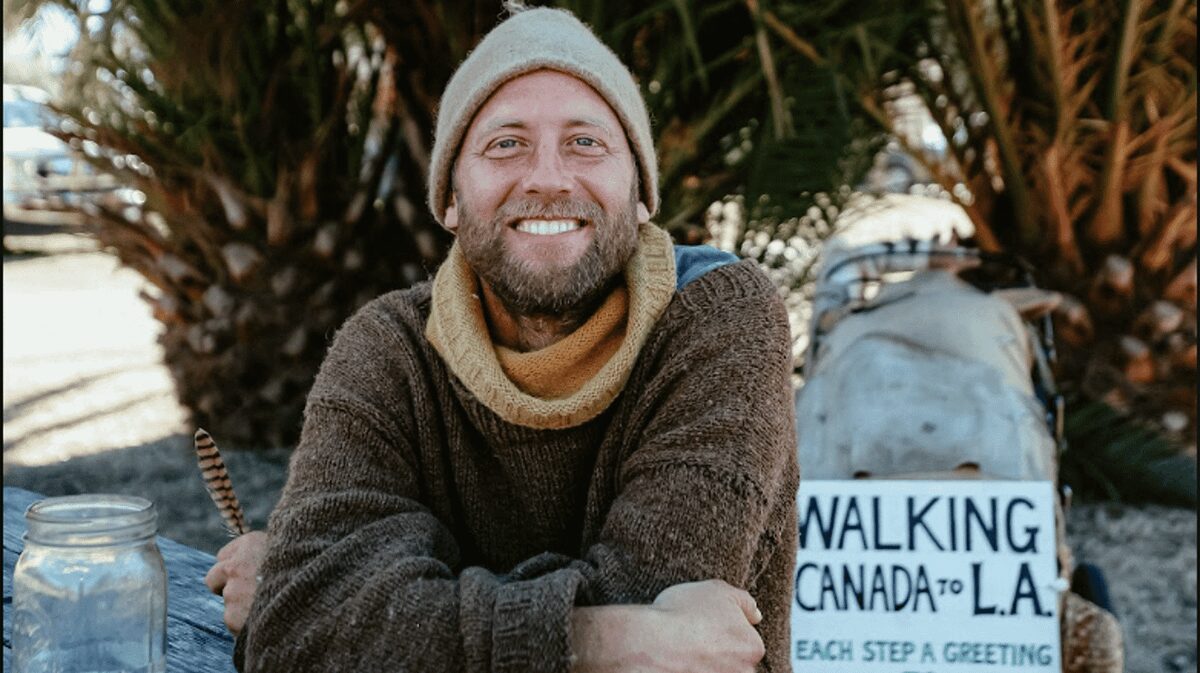
Robin Greenfield once imagined hitting millionaire status by the age of 30, but a complete shift in perspective led him in the opposite direction. Today, he is known for embracing an extremely minimalist way of life, at one point giving away everything he owned.
Now 43, Greenfield had been building a successful marketing business and moving toward the kind of future he thought he wanted. That changed after he started consuming books and documentaries that challenged how he viewed wealth, consumption and success.
“Everything was going according to plan… And then something happened.”
What followed was a deep reassessment of the connection between his lifestyle and wider systems he believes depend on exploitation. From that point on, he began stepping away from consumerism and rethinking what it meant to live well.
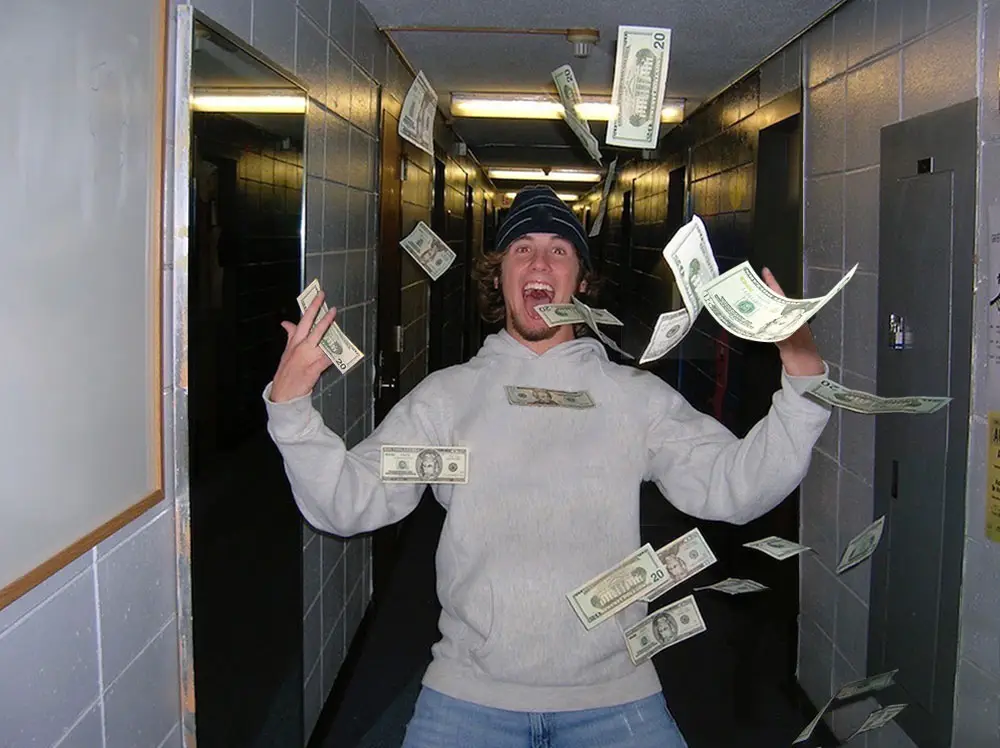
His downsizing happened in stages. In 2016, he reduced his possessions from an apartment full of belongings to 111 items. By 2020, that number had fallen to 44. Eventually, he went even further.
Greenfield says that three years ago in Griffith Park, Los Angeles, he stood naked and gave away every possession he had, including official documents such as his passport, birth certificate, Social Security card and driver’s license. He walked 1,600 miles down the Pacific Coast from Canada with just those 44 possessions before arriving in Los Angeles to conduct this radical experiment in non-ownership.
“I literally owned nothing for four months,” he says. “What I was wearing, I’d borrowed from somebody and gave back to them. No computer, no toothbrush, nothing.”
For him, simplicity is about more than just getting rid of clutter. He sees it as a path toward being more present and less tied down by modern obligations.
“I think most people have a desire to live in the present moment, but how can we do that when we have numerous credit cards, all these bills, bank accounts, digital assets here and there, so many possessions to take care of, spread all throughout our lives?
“One of the keys for me to true happiness is being able to live more in the present moment, and that’s where living simply is so key.”
He believes fulfillment becomes easier to reach when fewer things are required to maintain a sense of wellbeing.
“A life based on money is designed so that you’re always going to need more, more, more material possessions in order to feel fulfilled.
“My antidote is less, simplify my needs to the absolute basics, simplify my desires to the basics, and then I can be very content with what I have.
“Gratitude is one of the most important medicines too, because when we’re grateful for what we have, we’re not focusing on what we don’t have.”
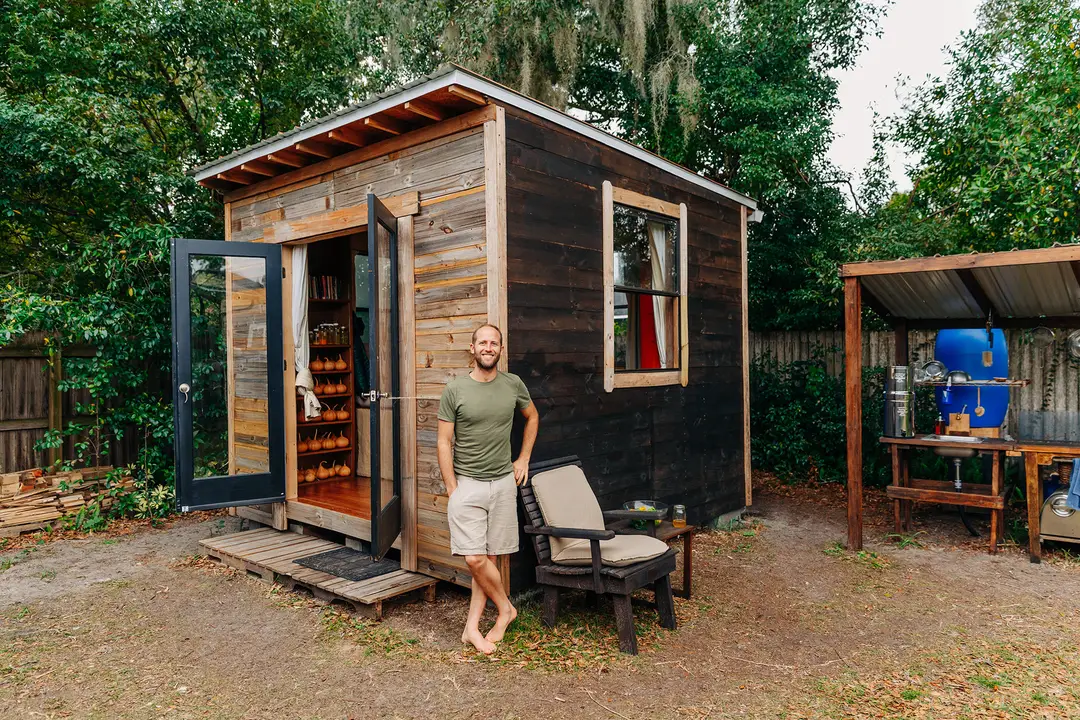
One of the calmest moments he can recall came during that period in Griffith Park when he had no possessions at all. He no longer lives with absolutely nothing, however. A year-long effort to forage and grow all of his own food meant he needed practical tools and hundreds of jars for storage.
Even so, his personal rule remains the same: anything he keeps must either meet a real need or help him be of service to others.
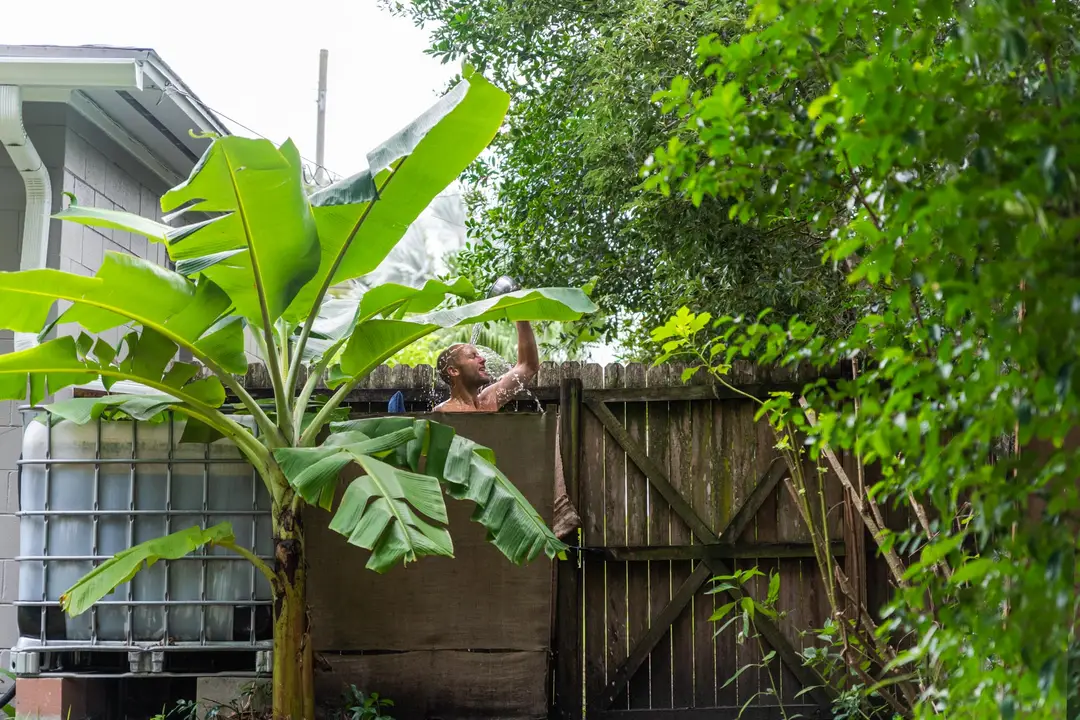
He has said the point was never really to chase a specific item count. Instead, he wanted to separate his life from forms of convenience that, in his view, shift the burden onto other people, animals or the environment.
“Almost every time, it meant the burden was being placed on someone else,” he explained, describing how tracing everyday conveniences back to their source usually revealed a hidden cost paid by ecosystems, animals or workers overseas. He argued that society is built to obscure that trade off.
“If we all walked outside our doors and saw the truth behind our actions right on our doorstep, we wouldn’t be able to live the way we are,” he said.
Greenfield does not see his choices as emptying his life out. He says letting go of excess has made room for things he values more deeply.
“The more I let go, I don’t create a void inside myself, I create space, and then I can fill that space with what I truly want in life,” he said.
After spending close to 20 years away, he has now returned to his hometown of Ashland, Wisconsin, near Lake Superior.
Rather than urging everyone to adopt the exact same lifestyle, he says his real aim is to encourage self-examination. He wants people to think about whether their habits truly reflect what they claim to believe.
He said: “My objective is to help people think critically. I’m not here to tell anyone exactly what to do, we’re all free human beings who get to make our own decisions.
“What I’d like to do is stimulate questions inside people.
“Two of those questions are: am I living the life I truly want to live? And are my actions in alignment with my beliefs? If the answer to both is yes, then great, continue as you are.
“But if the answer is no, this isn’t the life I really want, my actions aren’t aligned with my beliefs, maybe there’s some anxiety, some gurgling in the chest about it, then, well, what do we want to do about it? How do you want to take your life back?”
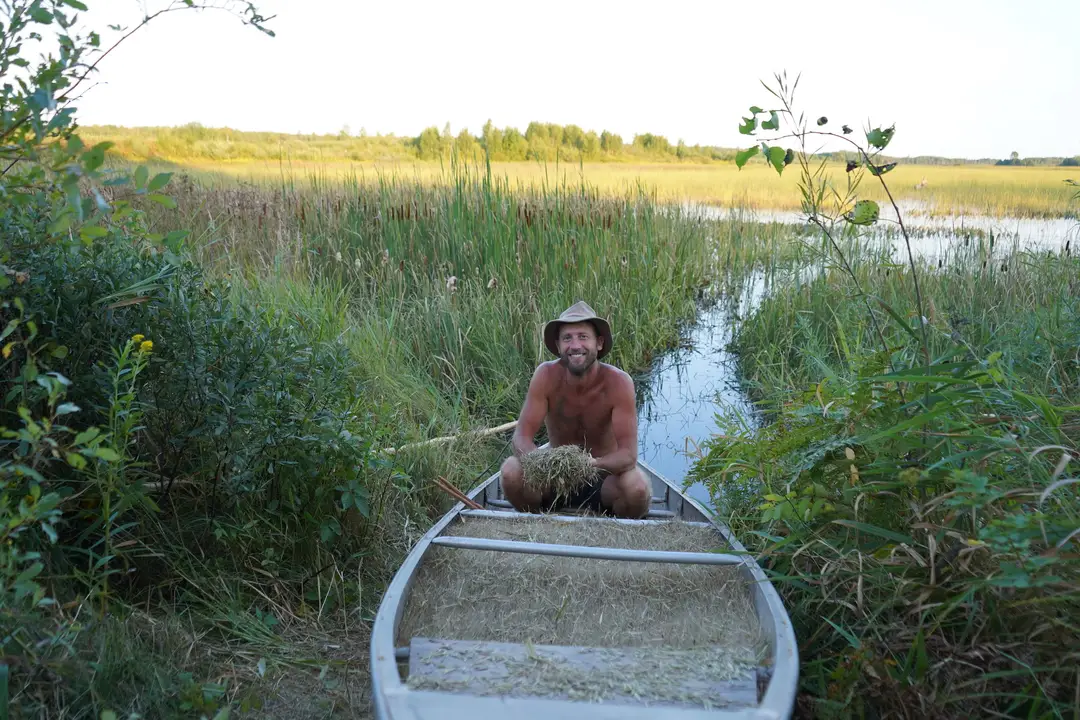
His closing advice is to avoid becoming paralysed by the scale of global problems and instead begin with manageable steps.
“My encouragement to people is to go one step at a time. Don’t get overwhelmed by the endlessness of climate change, biodiversity loss, soil degradation, the political scene,” he said.
“Focus on what you can do, start with what excites you and brings you joy.”
In 2026, Greenfield is undertaking an ambitious yearlong experiment living entirely on foraged food and medicine while traveling across the nation. As part of this effort, he is also advancing a campaign to plant 1 million community fruit trees over the next decade through his nonprofit, Regeneration Equity and Justice. During his foraging tour, he has been hosting events in communities across the country to teach residents practical foraging skills while encouraging conversations about sustainability and humanity’s relationship with nature. He is documenting his year of foraging in a book expected to release in 2027.