

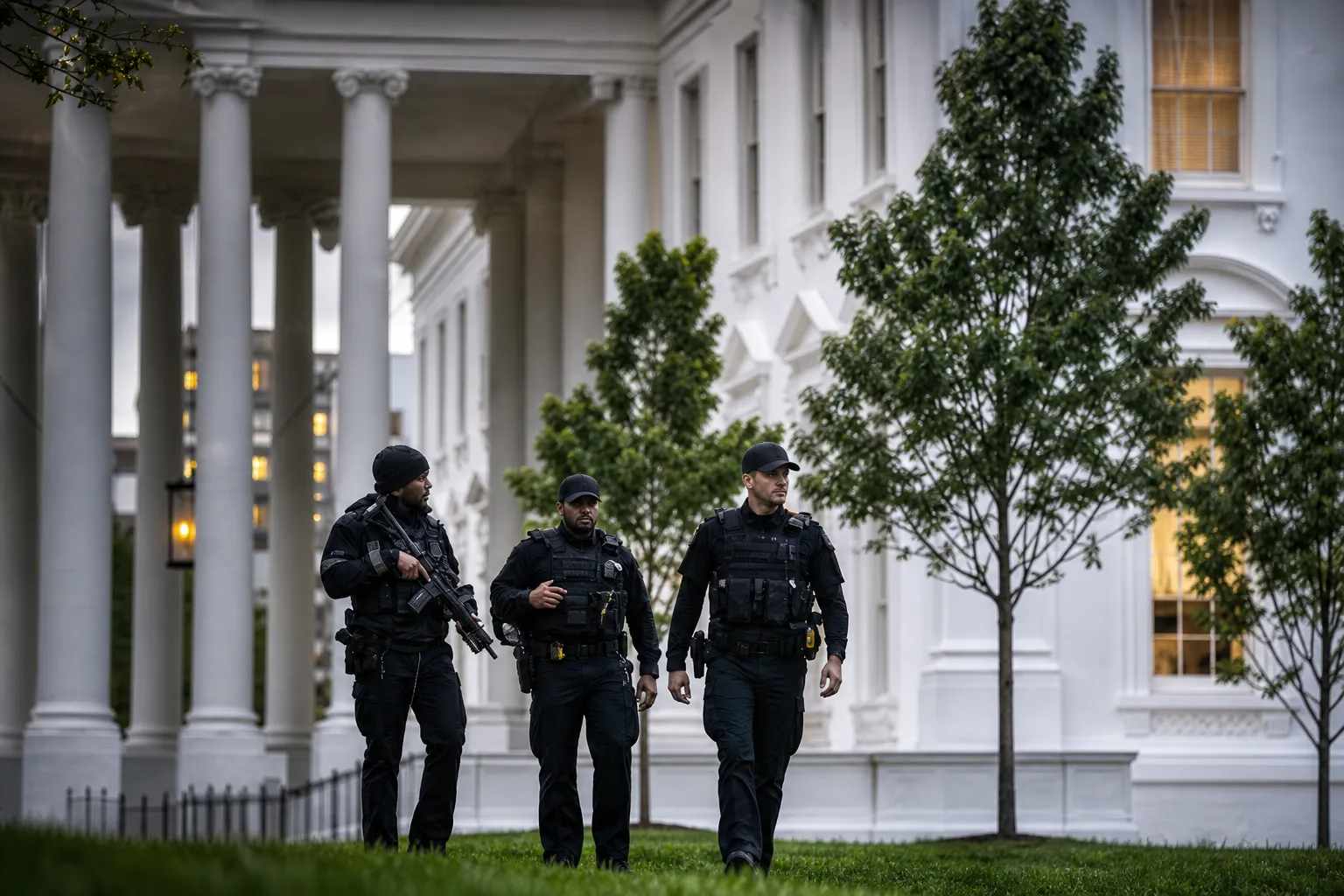
Benjamin Del Real, a 25-year-old active-duty Army private first class, was enjoying a family trip to Washington when his visit took a tragic turn. On May 23, walking with his sister and father near the White House, Del Real found himself caught in the crossfire of a gunfight he never started. Now, more than two months later, still recovering from life-threatening injuries, Del Real and his legal team are challenging the Secret Service, claiming the agency failed to protect innocent civilians like him.
Del Real was shot in the abdomen when gunman Nasire Best, a 21-year-old from Dundalk, Maryland, opened fire on a Secret Service checkpoint near 17th Street and Pennsylvania Avenue NW shortly after 6 p.m. That Saturday evening. Best pulled a weapon from his bag and began shooting at officers, prompting them to return fire. Best was fatally shot and died at George Washington University Hospital, but the bystander tragedy remained.
According to Del Real’s legal team at Clifford Law Offices, the situation was decidedly one-sided. The gunman was positioned on a public sidewalk across a busy intersection from the checkpoint, but Secret Service agents fired numerous rounds in Del Real’s direction across that same intersection. Best never faced Del Real, yet Del Real suffered severe abdominal injuries requiring life-saving surgery.
Del Real’s condition, initially listed as serious but stable, began showing improvement. However, nearly two months of medical treatment and ongoing recovery, along with therapy at an undisclosed location, serve as stark reminders of the incident’s consequences for an innocent tourist.
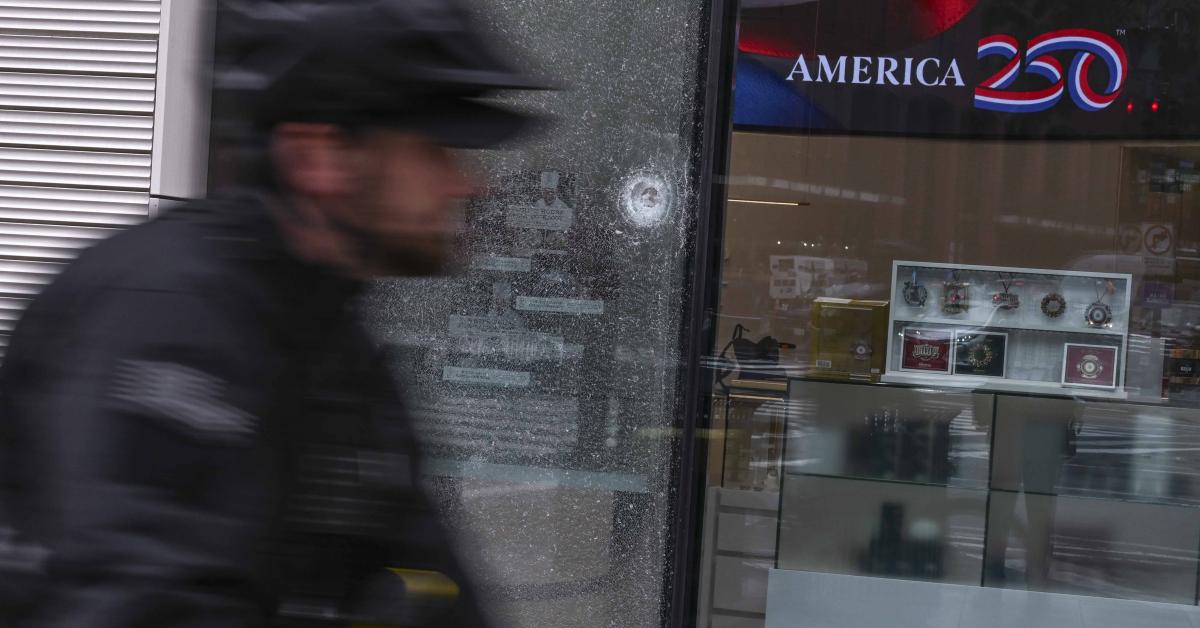
On Tuesday, July 21, attorneys announced they would file a personal injury lawsuit against the federal agency on behalf of Del Real, marking the beginning of a legal process that raises critical questions about government accountability when law enforcement actions injure innocent bystanders. Joseph Murphy, a partner at Clifford Law Offices and former Army officer, stated in a release: “Certainly it is the job of Secret Service agents to protect the President and other dignitaries, but that duty must be carried out with reasonable regard for the safety of innocent members of the public.”
The lawsuit comes weeks after investigations revealed critical information about Del Real’s shooting. Though initially unclear who shot the bystander, sources familiar with the investigation later told news outlets that Del Real was hit by Secret Service gunfire, not the suspect. The Metropolitan Police Department continues investigating, and interim Police Chief Jeffery Carroll indicated that ballistics tests were still pending to confirm the details.
Nasire Best was no stranger to authorities. Court documents revealed he had multiple prior encounters with the Secret Service and mental health concerns. In June 2025, Best blocked a White House entry lane and told agents he was Jesus Christ, wanting to be arrested. He was involuntarily committed for psychiatric evaluation. The following month, he attempted to gain unauthorized access to the White House again, claiming he was Jesus Christ once more. After his July arrest on an unlawful entry charge, a judge issued a stay-away order barring him from the White House complex. Yet on May 23, 2026, Best violated that order, approaching the very checkpoint he had been banned from and initiating the gunfire that led to his death and Del Real’s injuries.
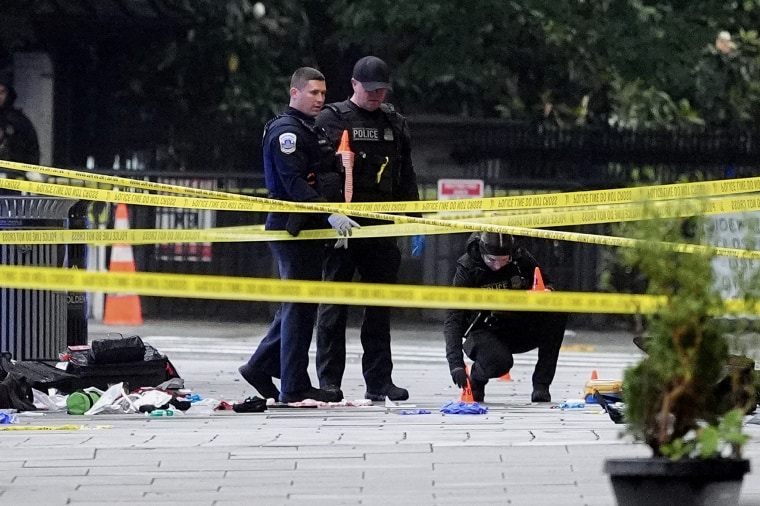
The incident was the third shooting near President Donald Trump in less than a month. An armed man had stormed the White House Correspondents’ Association Dinner on April 25, and Secret Service officers had shot and wounded a suspect near the Washington Monument on May 4. These recurring security incidents have intensified scrutiny on the agency’s protocols and decision-making.
Del Real’s lawsuit employs the Federal Tort Claims Act, which allows people to seek compensation from the federal government when government employees cause injuries while performing official duties. The claim Del Real has filed represents the first step in an administrative process before potential litigation in federal court. The government will have an opportunity to review evidence, interview witnesses, and decide whether to resolve the matter without a full trial.
The case raises profound questions about how law enforcement balances security objectives with civilian safety during high-stakes confrontations. With a gunman positioned across a busy intersection from his checkpoint, and innocent tourists in the area, Del Real’s legal team argues the Secret Service should have exercised more restraint or implemented different tactical approaches to protect public safety while responding to the threat.
As investigations continue and the lawsuit moves forward, Del Real’s case stands as a reminder that the consequences of active armed confrontations near the nation’s most protected buildings can extend far beyond the direct combatants involved, affecting unwitting civilians whose only mistake was being in the wrong place at the wrong time.