


The United States has surpassed a grim and unprecedented milestone, with measles cases in 2026 already exceeding the entire total for 2025, and the year still has more than five months remaining. As of mid-July, confirmed cases have reached 2,295 according to Johns Hopkins University’s tracking data, surpassing the 2,289 cases reported for all of 2025. The Centers for Disease Control and Prevention’s most recent official count stood at 2,260 cases as of mid-July, spread across 44 jurisdictions.
This marks the highest annual measles case count since the disease was declared eliminated in the United States in 2000, and the most cases the country has seen since 1991. Back then, more than 9,600 cases were reported before widespread vaccination drove measles to historic lows. The dramatic resurgence underscores how quickly the progress made over decades of vaccination efforts can unravel.
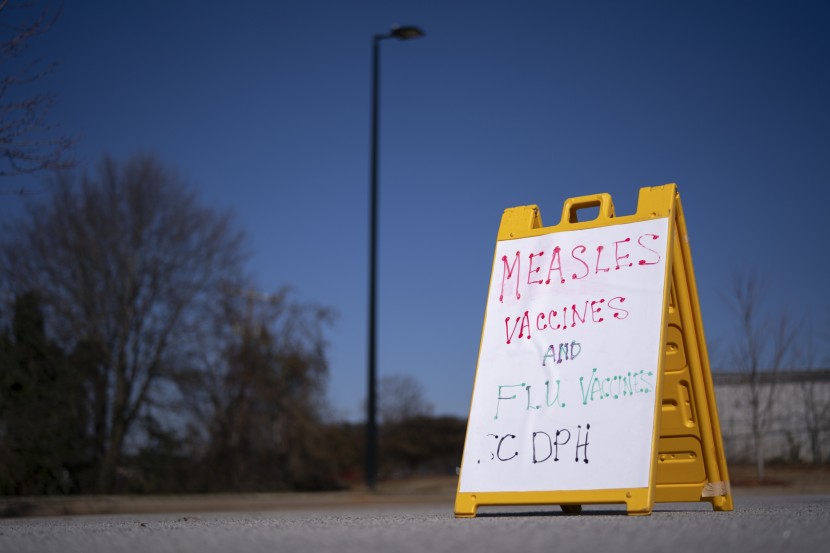
The outbreak reflects a sharp escalation from recent years. In 2024, the United States reported just 285 measles cases for the entire year. When 2025 ended with 2,289 cases, it marked a 33-year high and triggered alarm among public health experts. Now, in 2026, the trajectory appears far worse. The concentration of cases in specific states and regions with vaccination coverage well below the herd immunity threshold of 95 percent illustrates how vulnerable communities can sustain large, prolonged outbreaks even when national vaccination rates appear adequate on paper.
South Carolina has been hit hardest, with 670 confirmed cases according to CDC data, mostly centered in Spartanburg County and surrounding areas. The South Carolina outbreak, which began in October 2025, ultimately resulted in nearly 1,000 cases before health officials declared it over in April 2026. However, new outbreaks continue to spread. Utah has reported 518 cases, and Texas has confirmed 182. Florida and Arizona also have elevated case counts. A measles outbreak on the Arizona-Utah border has proven particularly concerning as it spreads across multiple states.
The 2026 outbreak reflects a perfect storm of vulnerabilities. National measles vaccination coverage has declined significantly in recent years. During the 2019-2020 school year, 95.2 percent of kindergartners received the measles, mumps and rubella vaccine, meeting the herd immunity threshold. By the 2024-2025 school year, that coverage had dropped to 92.5 percent. This decline has left approximately 286,000 kindergartners unprotected in the most recent school year, according to CDC estimates.
Experts attribute the declining vaccination rates to multiple factors. Vaccine hesitancy and misinformation about the MMR vaccine have taken a toll, particularly in specific communities opposed to vaccinations on religious or philosophical grounds. Some public health specialists point to a loss of trust in health institutions and cite what they describe as conflicting messaging from federal health officials. Additionally, because vaccines were so effective at eliminating measles, many members of the public no longer remember the severity of the disease and have become complacent about vaccination.
Among confirmed 2026 cases, 93 percent involved unvaccinated individuals or those with unknown vaccination status. The MMR vaccine is 97 percent effective at preventing measles infection when given as a two-dose series. Only about 4 percent of 2026 measles cases occurred in fully vaccinated individuals.
The outbreak has had serious implications for vulnerable populations. Children bear a disproportionate burden, with those aged 5 to 19 accounting for 51 percent of confirmed cases. Children under five represent 20 percent of cases and face elevated hospitalization risk. As of mid-July, approximately 146 people had been hospitalized, representing about 6 percent of cases. Notably, no deaths have been reported in 2026, compared with three deaths in 2025.
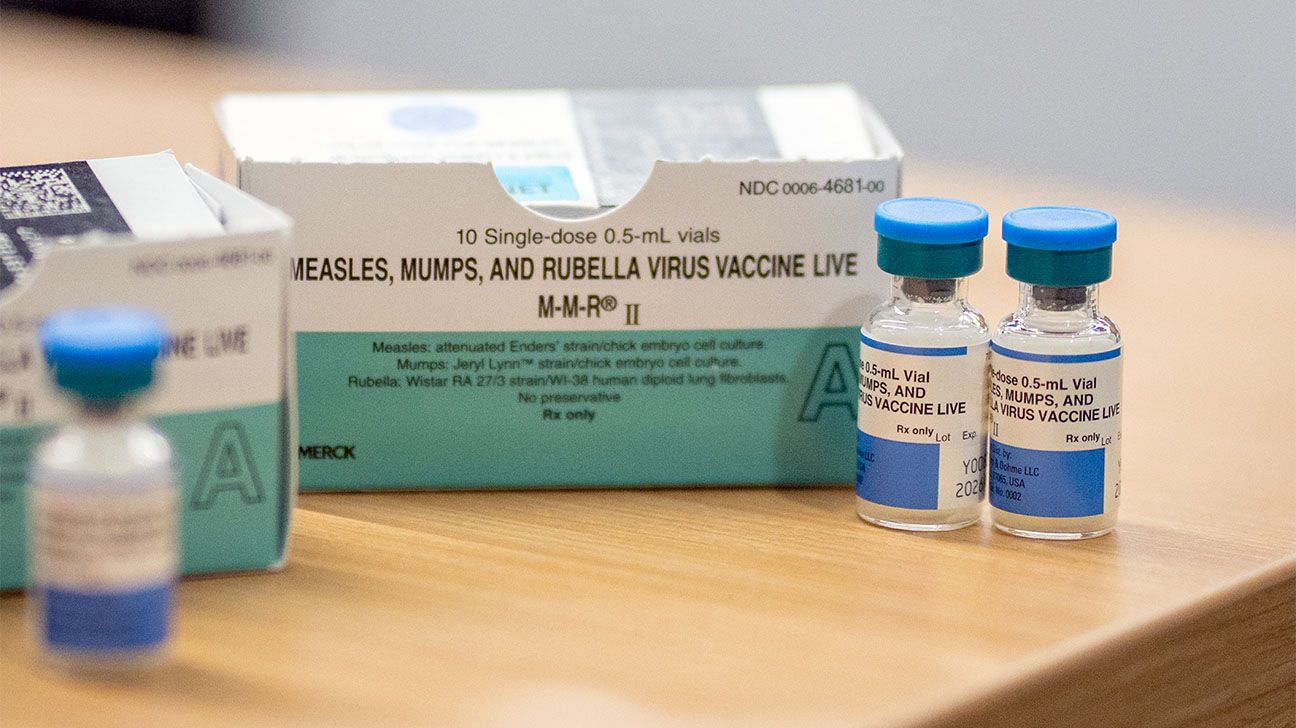
The broader implications for the nation’s disease elimination status remain uncertain. The Pan American Health Organization, which oversees measles elimination status in the Americas, is scheduled to formally review the United States’ elimination status in November. Already, the region lost its measles elimination status in 2025 when Canada was determined to have reestablished endemic transmission. The United Kingdom and five European countries have also recently lost their measles-free status due to rising infection rates. Many public health experts believe the United States is likely next.
Health officials have warned that the current trajectory, with surpassing 2025’s total before mid-year, suggests final 2026 case counts could approach or exceed levels not seen since the early 1990s. Summer travel season and fall school attendance present particular risks for continued transmission. Experts stress that reversing this trajectory will require strengthening vaccination efforts, reducing exemptions, and improving communication from public health authorities about the importance of maintaining high vaccination coverage.