


A mother ended up in hospital with what doctors describe as ‘happy heart syndrome’ after the emotional high of her daughter’s wedding, with specialists warning people not to ignore the condition’s symptoms.
The case, published in July 2026, involved a 65-year-old woman who developed chest pain and breathlessness after attending her daughter’s wedding party. Doctors initially treated her as a possible heart attack before tests showed she had takotsubo cardiomyopathy, a temporary but potentially serious condition that can closely mimic acute coronary syndrome.
Researchers say that powerful positive emotions, including intense joy, may in some cases put serious strain on the heart.
In this case, a 65-year-old woman began suffering chest pain and breathlessness for three days after the wedding celebrations. Because her symptoms closely resembled those of a heart attack, doctors initially treated the situation as a possible cardiac emergency.
Further hospital tests later revealed she had a temporary heart condition known as takotsubo cardiomyopathy, or TTS. Although it can mimic a heart attack, it is a separate condition and can still be dangerous.
TTS is often referred to as ‘broken heart syndrome’, but when it is triggered by a strongly positive event rather than a distressing one, it is sometimes called ‘happy heart syndrome’.
Medical experts say the condition can be brought on by extreme emotional responses, whether negative, such as grief or heartbreak, or positive, such as the joy and excitement surrounding a wedding.
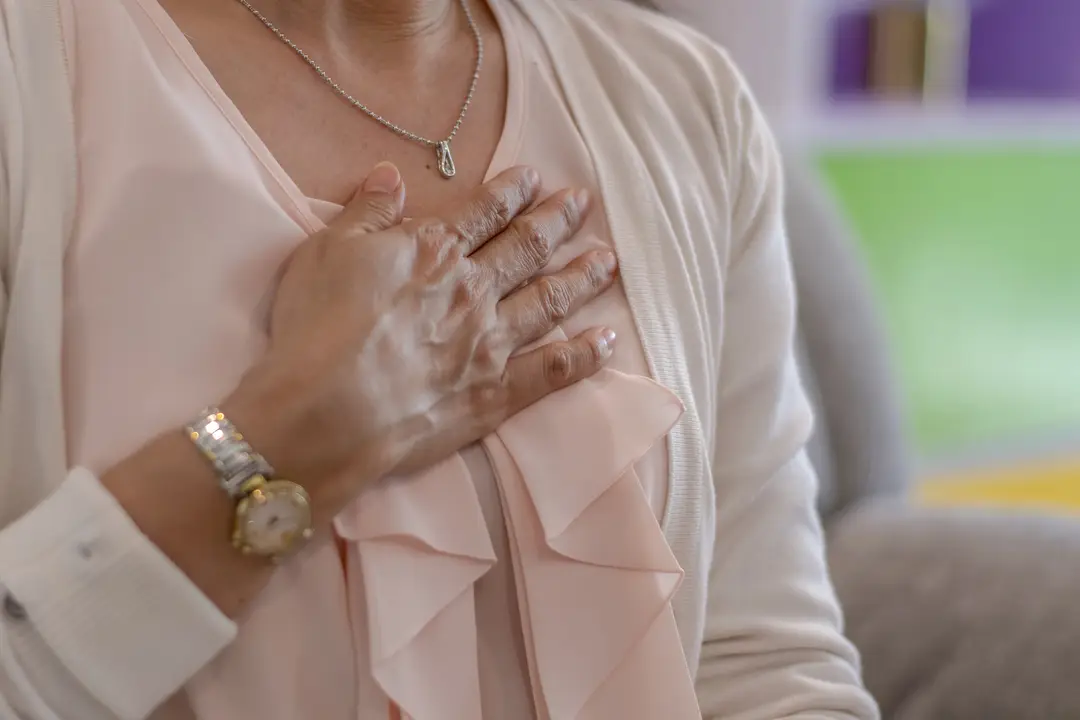
Because so few examples have been documented, researchers say there is still a great deal to learn about the syndrome and how it develops. In larger registry studies, positive emotional triggers have made up only a small minority of takotsubo cases, and the condition is still seen far more often after bereavement, fear, illness or other physical stressors.
The author of the study noted:
“Both conditions involve sympathetic nervous system activation and a catecholamine surge, but the neurohormonal responses may differ depending on emotional valence.
“[Happy heart syndrome] may also present with less severe symptoms and better short-term outcomes, though further data are needed.”
In another report, cardiologist John Madias of the Icahn School of Medicine at Mount Sinai in New York said:
“Short-term and long-term complications and mortality of both these two TTS subtypes are similar, although a higher percentage of men have been reported to have suffered ‘happy heart syndrome, in comparison with their rates of ‘broken heart syndrome.”

After receiving treatment for the uncommon and frequently missed condition, the woman is reportedly now ‘looking forward to witnessing the happiest milestones of her other children in the years ahead’, according to the research.
Harvard Health says the warning signs can be very similar to those seen during a heart attack, including ‘severe pressure, heaviness, or pain in the chest – most often arise from a blockage in a coronary artery, preventing blood from reaching the heart muscle’.
Other symptoms can include ‘shortness of breath, sudden onset of marked fatigue, cold sweats, or lightheadedness’.
Doctors say the syndrome is often diagnosed only after emergency tests rule out a blocked artery, and treatment usually focuses on monitoring in hospital, easing symptoms and supporting the heart while function recovers. Most patients improve within days to weeks, although complications such as heart failure, rhythm problems and, in rare cases, death can occur.
Experts add that most patients go on to recover without lasting damage to the heart.