

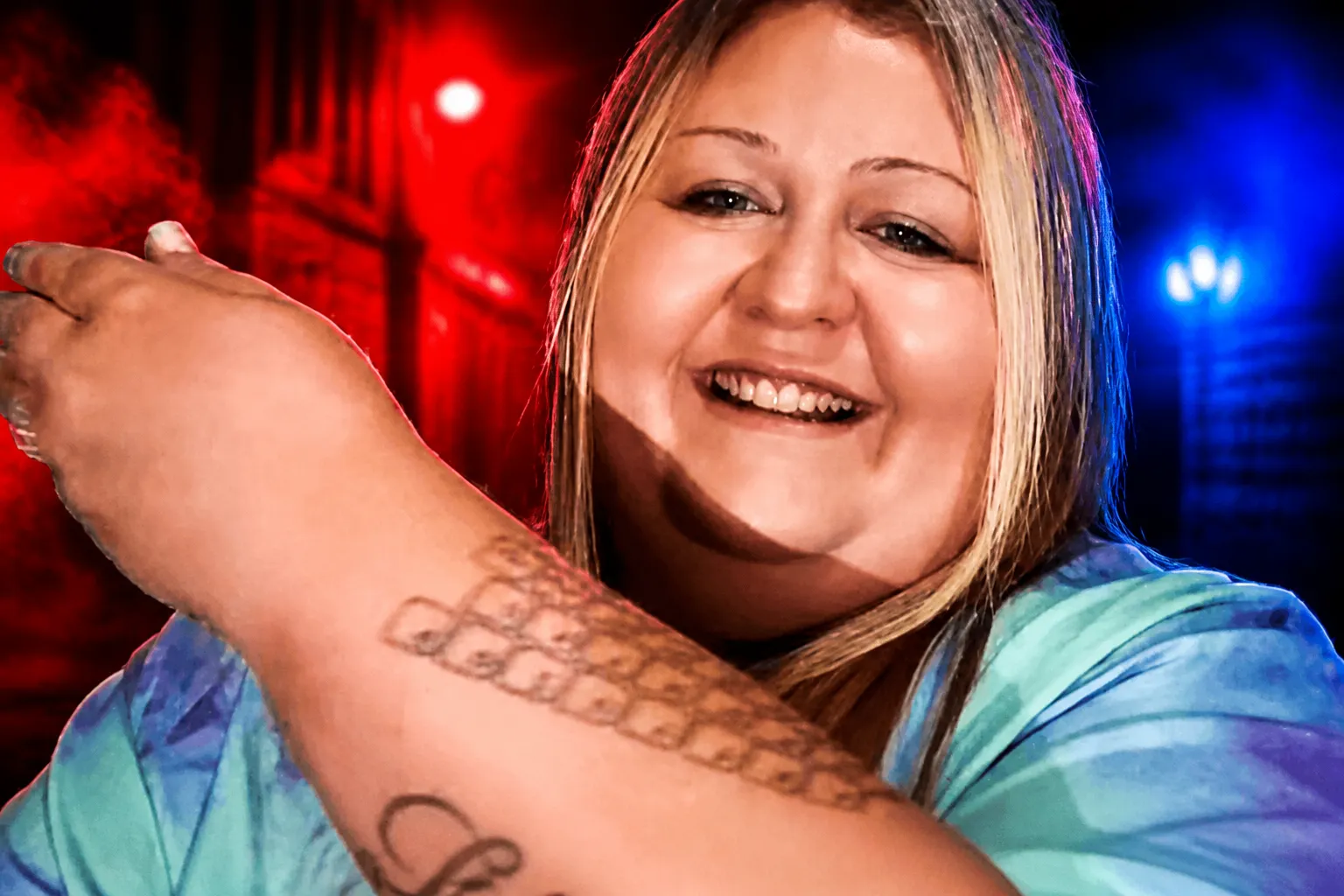
Jessica Fletcher has revealed that her autistic, non-speaking son Hunter is now telling her he loves her several times a day thanks to the keyboard tattoo she inked on her left arm.
The Canadian mother, whose last name matches her son’s first, made the permanent change after an ordinary breakfast outing with 11-year-old Hunter Fletcher turned into a communication breakthrough. The boy’s iPad, which runs the speech app he uses on his augmentative and alternative communication device, died just before he could place his order. Jessica, who had no charger handy, borrowed pen and paper and wrote out the alphabet so Hunter could spell his request. Instead, Hunter flipped the paper and drew the keyboard layout himself, then pointed to the letters he needed.
That flipped page sparked an idea Jessica could not shake. If a keyboard was the format Hunter preferred, she wanted one that would never run out of battery, could survive water, and would always be within reach. She settled on her left forearm, positioning it so she could present it easily for finger spelling while Hunter, who typically sits on her right during movie outings, could tap out messages. The placement also solved a problem at the pool, where Hunter’s electronic device cannot follow because it is not waterproof.
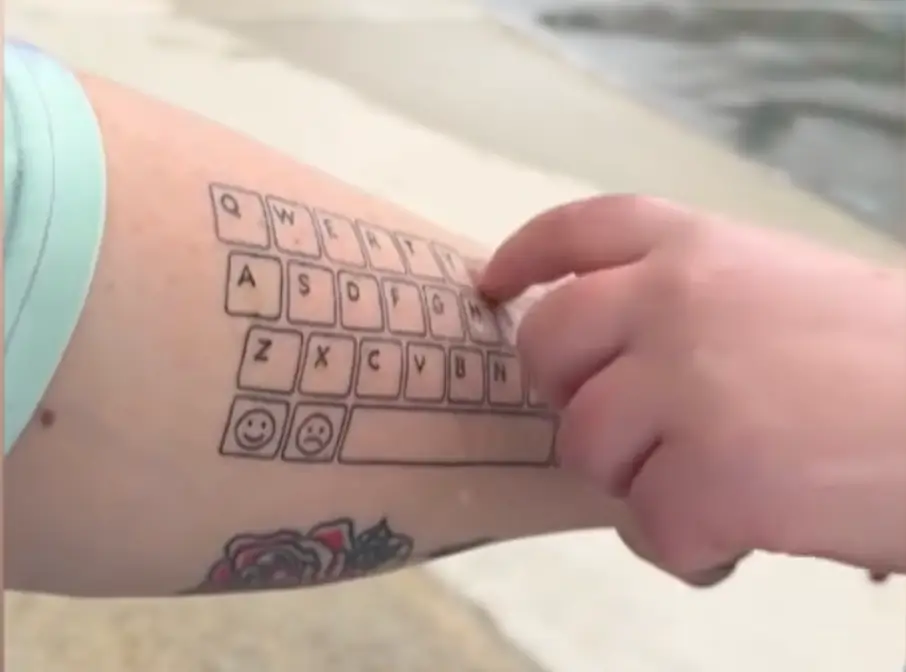
The tattoo has given Hunter something his AAC device never could: true privacy. His iPad setup speaks his typed words aloud, broadcasting conversations to anyone nearby. With the tattoo, Hunter spells directly to his mother without strangers listening in. Jessica said this has been particularly meaningful because it gives her son the opportunity to communicate with her privately for the first time.
The relationship shifts have gone beyond privacy. Jessica shared that Hunter has become more comfortable with physical affection since the tattoo, offering her more hugs and kisses than before. The daily “I love you” messages represent a dramatic increase from how often he expressed the sentiment using his speech device.
Hunter was diagnosed with autism at age three. Alongside his AAC device, he uses some sign language and gestures, though motor-skill difficulties make handwriting and signing challenging for him. The keyboard format appears to bridge those gaps in a way other methods have not.
Word of Jessica’s solution has traveled far past their household. Teachers, nurses and first responders have reached out to her about the concept. Some of Hunter’s school friends have gotten their own versions. Tattoo artists in Canada, the UK, the US and Australia have offered to provide the tattoos free of charge, with one artist in the southern US planning a dedicated event for families interested in the idea.
Jessica’s core message pushes back against assumptions about non-speaking people. She believes being non-speaking does not mean having nothing to say, and that people should be offered as many communication options as possible until they find what works for them.
The breakfast where it all began was not remarkable until the battery died. Jessica had asked for pen and paper expecting to manage the moment. Hunter’s decision to redraw the tool he knew best showed her what he needed. The tattoo followed as a permanent answer to a temporary problem, and the permanent change has reshaped how mother and son connect.
Jessica continues to advocate for multiple communication pathways for non-speaking individuals, with her own arm now serving as daily proof of what happens when a parent listens to what their child is already trying to say.