

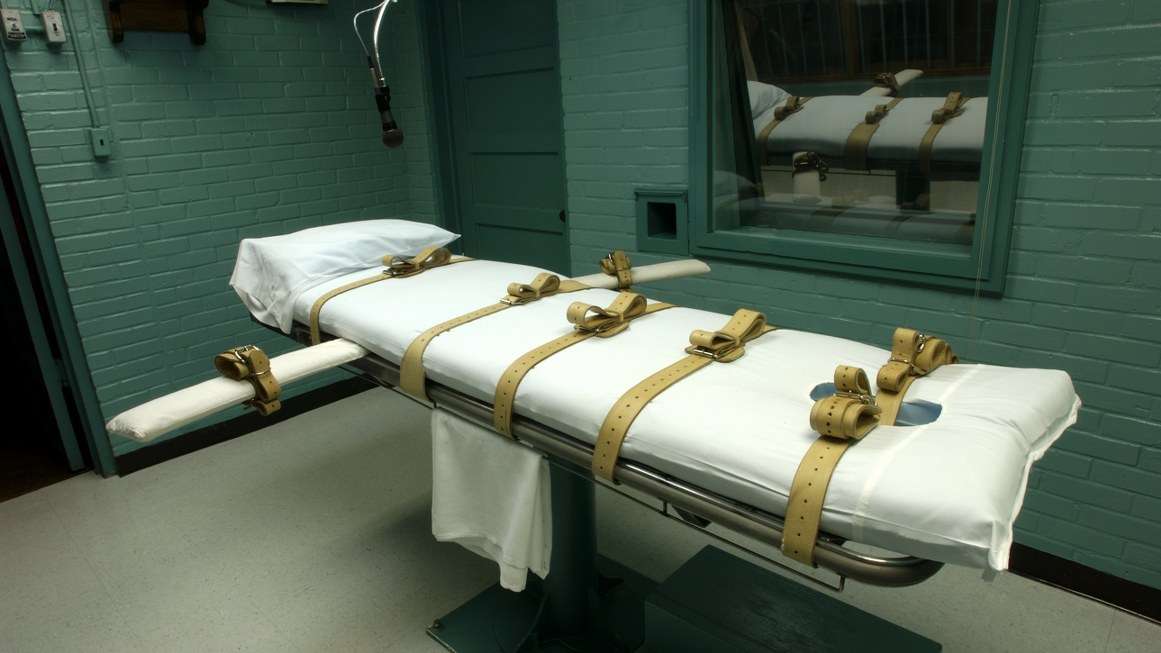
Two-thirds of Americans now support capital punishment for people convicted of murder, according to a new Pew Research survey released this week.
The survey of 3,554 U.S. Adults was conducted from July 6 to 12.
As the Trump administration and some states seek to expand the application of the death penalty, about two-thirds of Americans (66%) now favor the death penalty for people convicted of murder, while nearly a third (32%) oppose it.
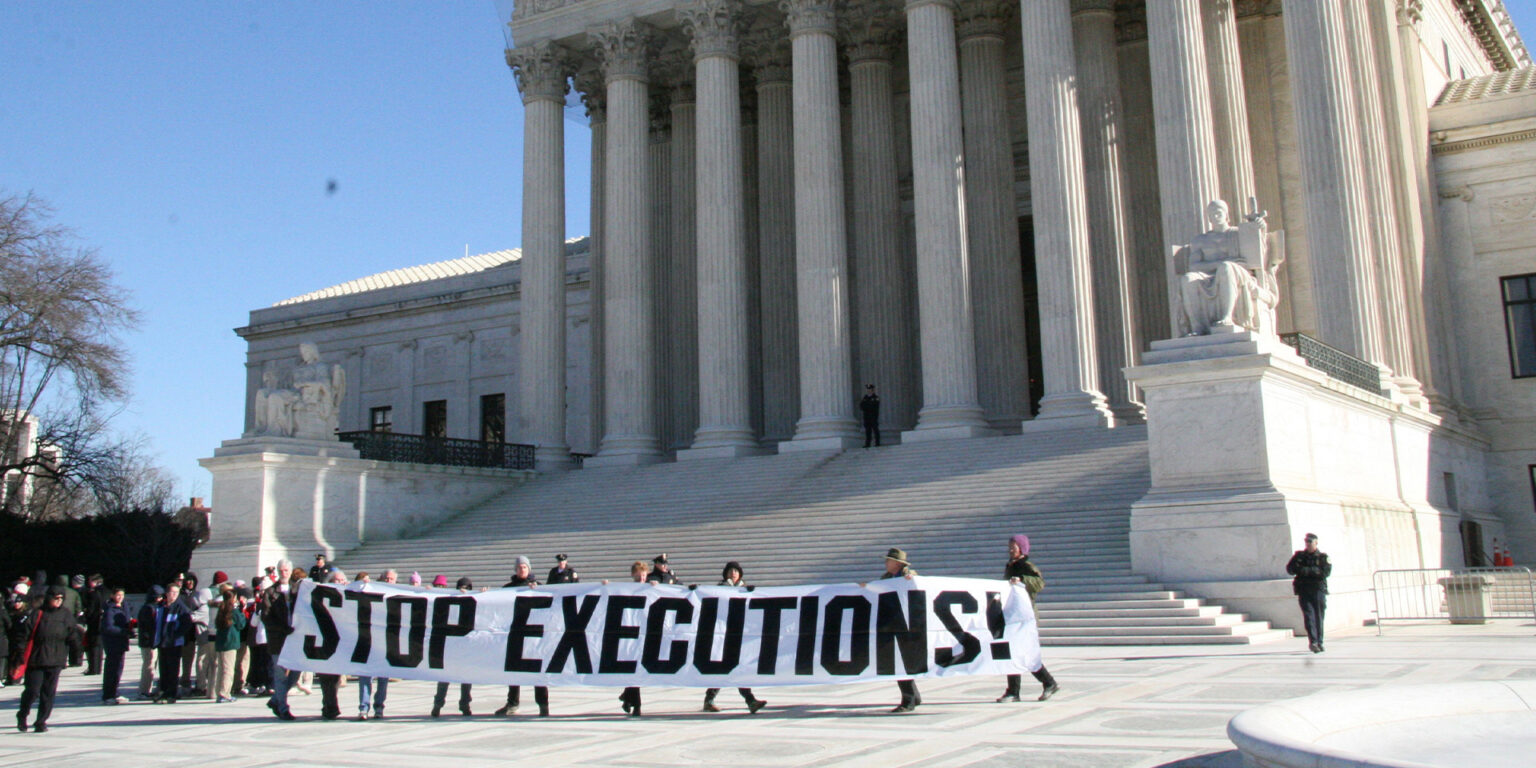
The data shows relatively modest shifts over five surveys conducted since September 2019, ranging from a low of 60% in April 2021 to about two-thirds now.
Between 2020 and 2021, support for capital punishment fell from 65% to 60%, before creeping back up to today’s rate.
The Pew poll reveals deep partisan divides on moral justification and deterrence.
More Republicans, 84%, support the death penalty than Democrats, who are divided 51% in favor to 48% against.
While 68% see the death penalty as morally justified for those committing murder, 59% say it doesn’t deter serious crimes – and there are wide partisan gaps on both questions.
While 66% of people polled told Pew they supported the death penalty, 60% also doubted whether the policy deters others from committing serious crimes and 73% of people acknowledge the risk of innocent people being put to death.
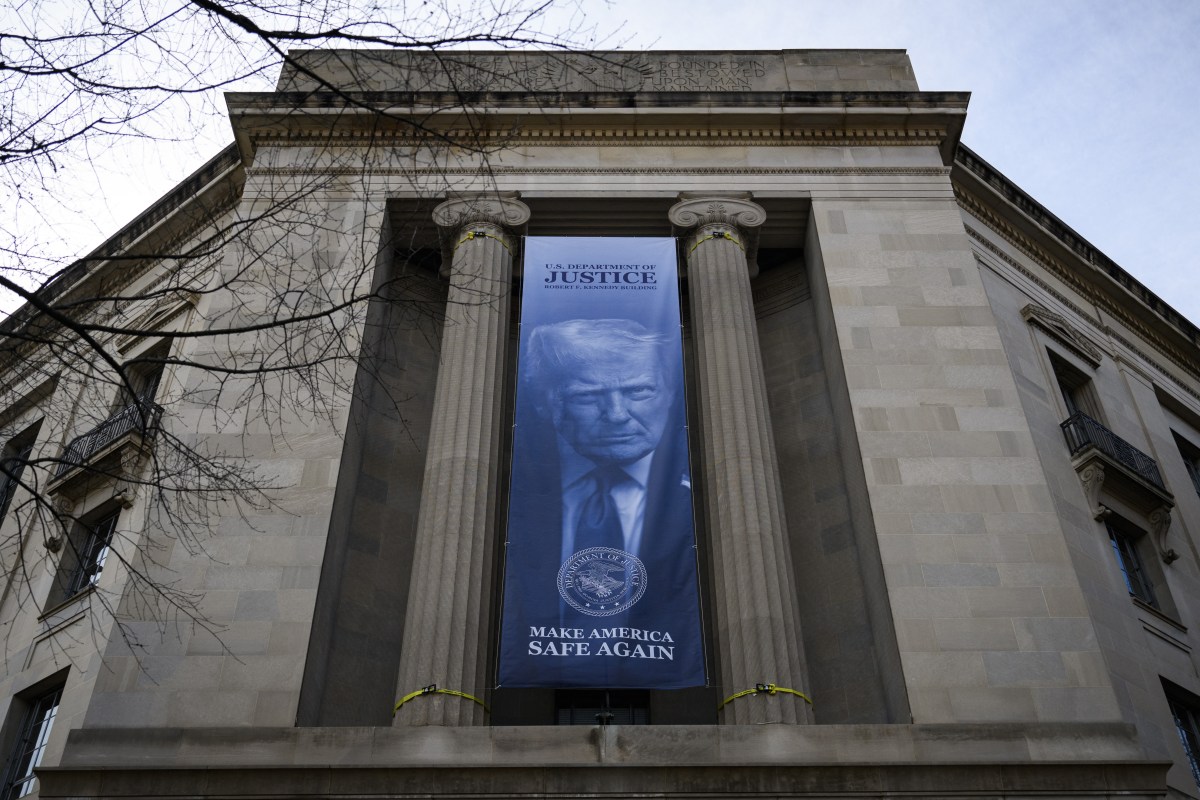
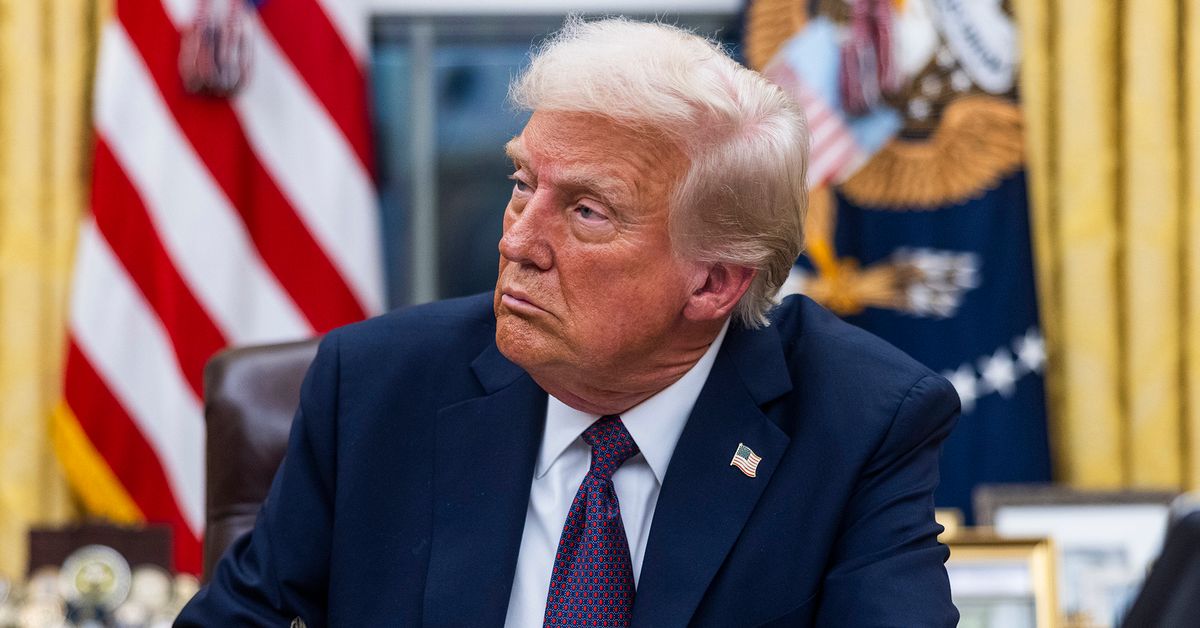
Trump issued an executive order titled “Restoring the Death Penalty and Protecting Public Safety,” reversing a Biden-era moratorium on federal executions and instructing the attorney general to pursue capital sentences for every appropriate case—as well as in all cases of murder of law enforcement officers or murders committed by undocumented immigrants, regardless of circumstances.
President Trump issued the executive order on January 20, and Attorney General Pamela Bondi released a memorandum implementing the order on February 5, lifting a moratorium that then-Attorney General Merrick Garland had ordered on federal executions on July 1, 2021.
The executive order instructs the attorney general to “take all necessary and lawful action to ensure that each state that allows capital punishment has a sufficient supply of drugs needed to carry out lethal injection.”
The order adds to a right-wing campaign to overturn current Supreme Court precedent outlawing the death penalty for crimes that do not involve murder.
The Trump administration is directing prosecutors to seek legal changes in courts that would expand which crimes carry the death penalty.
Legal Defense Fund President Janai Nelson issued a statement saying, “Following then-President Biden’s historic commutation of nearly the entirety of federal death row, President Trump has recommitted his administration to violent retribution in his resuscitation of the death penalty.”
Shortly after being sworn in, President Trump signed an order to expand the death penalty, confirming expectations that the Department of Justice may seek capital punishment more often under his administration, after the first Trump administration carried out more executions than any president in at least a century.
The United States carried out 47 executions in 2025, and Florida carried out 19 — the highest number in state history and more than double its previous modern record, with executions in Florida averaging one every 16 days from February 2025 through December 2025.
Gov. Ron DeSantis, a Republican, oversaw more executions in a single year in 2025 than any other Florida governor since the death penalty was reinstated in 1976. DeSantis, who had gone years without signing any death warrants, averaged two a month in 2025.
When asked about the surge, DeSantis explained his reasoning.
“We’ve heard from a lot of the family members of the victims over the years,” DeSantis said, noting some crimes were committed in the ’80s and families had waited through appeals. The death penalty could be “a strong deterrent” to crime if it is carried out swiftly, he said.
DeSantis mentioned getting “feedback” from the family members of murder victims, saying “I kind of felt like I may have been letting some of them down. It wasn’t intentional.”
“I support capital punishment because I think there are some crimes that are just so horrific the only appropriate punishment is the death penalty,” DeSantis said in May.
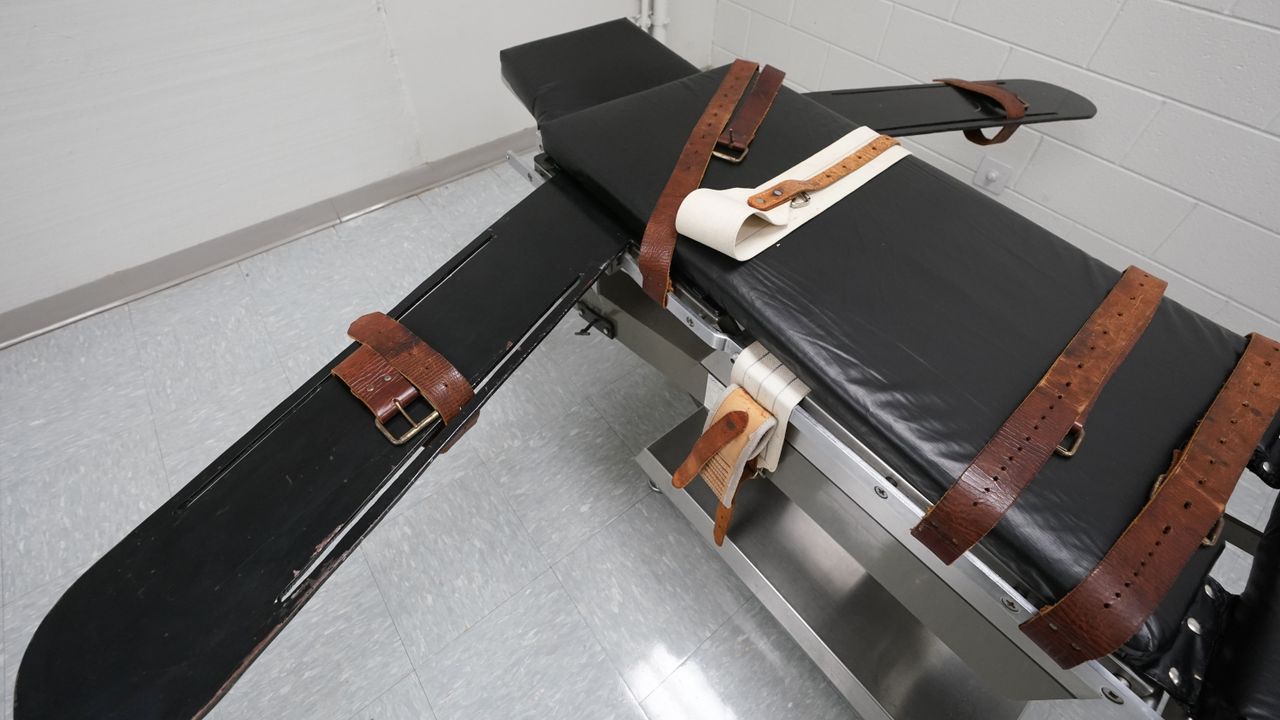
Legislators in more than half of states that retain the death penalty proposed changes to their execution protocols this year, with five states (Arkansas, Florida, Idaho, Louisiana, and North Carolina) enacting legislation to modify their execution protocols, including bills to add new, largely untested execution methods and reintroduce previously abandoned methods.
Five states now allow executions by firing squad (Idaho, Mississippi, Oklahoma, South Carolina, and Utah), but a new law making Idaho the only state to authorize it as its primary, default execution method takes effect July 1.
Trump and state governors have dramatically accelerated capital punishment implementation nationwide. The 2025 execution surge reflects a marked shift in enforcement priorities from the Biden years, when federal executions were frozen and the federal death row was nearly emptied through commutations. Trump’s January 2025 executive order seeks to reverse that trend by directing the Justice Department to pursue death sentences aggressively for new federal cases and supporting states in resuming executions. Trump’s January 2025 executive order urging state prosecutors to seek new death sentences for 37 individuals whose federal capital sentences were commuted by Biden has yielded only one new state prosecution, in Louisiana, with most prosecutors across the country declining to follow the directive.
A man convicted of fatally shooting a police officer is set to be Florida’s third execution of 2026, with Gov. Ron DeSantis signing a death warrant for Billy Leon Kearse, 53, scheduled to die by lethal injection March 3.