

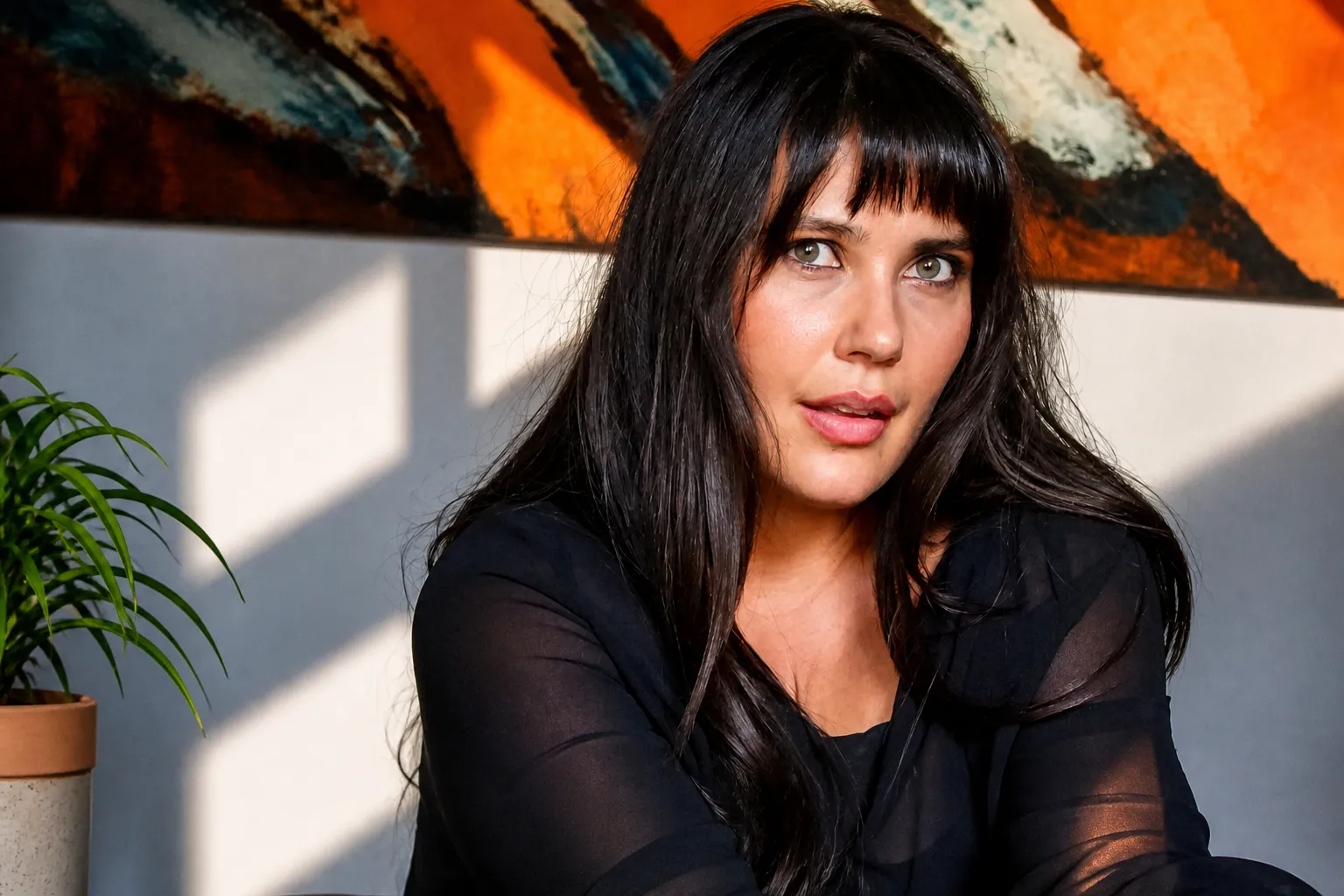
Laura Roscioli, 30, has turned her crippling fear of physical touch into a career writing about sex and relationships.
The Melbourne, Australia native spoke about how a phobia so severe that she “didn’t want anyone to touch” her — including her own parents — has transformed into professional expertise. Roscioli explained that being touched by anybody could leave her feeling “super nauseous,” a reaction that shaped her teenage years and early adulthood.
“I felt scared, I didn’t want them to,” she said of her parents’ attempts at physical affection.
Roscioli traced the roots of her phobia to multiple disturbing encounters during her adolescence. At 11, she recalled an older teenager, approximately 17, becoming obsessed with her at a three-day singing camp. The boy followed her around before eventually confessing his love — an experience she remembers feeling “weird and creepy.”
“I just remember feeling really sick at the thought of that, and running into the car to my mum, who was picking me up,” she said.
The phobia deepened following a sexual assault at age 17. Roscioli revealed that her first sexual experience was non-consensual, occurring when a friend’s boyfriend spiked her drink at a party and “forced himself on her.”
“It felt like a total loss of control, not only of sex and my body, but of the narrative itself,” she explained.
The aftermath compounded the trauma. “People that I thought were my friends didn’t believe me, and I kind of became this home wrecker as well,” she said.
Following these experiences, Roscioli found affection “really hard” to accept or give. “Even when friends would hug me, I couldn’t. I didn’t like it,” she said. “Same with my parents. I didn’t want them to touch me either.”
For two years, she avoided “intimacy with anybody” entirely. The isolation ended unexpectedly after she finished school and took a job at a local restaurant, where she discovered an unlikely form of connection: flirting.
“That felt like a really nice way to explore intimacy without actually touching anybody or feeling like you were in your own close proximity,” she explained.
After two years of what she describes as “hardcore flirting,” Roscioli began to feel her “power” flooding back. “There was something about it that felt like I could still feel desired, but I didn’t have to do anything about it,” she said.
The shift challenged assumptions she had internalized from her traumatic experiences. “I grew up in this environment that led me to believe that sex was a thing that I was going to have to do because someone would want me to do it or force me to do it,” she said. “But then I’d got into the world and I was like, ‘Oh my God, they [men] will do whatever I want. That’s amazing.'”
Roscioli’s professional breakthrough came at her first media job, when an editor asked if anyone wanted to write a sex-related story. “I just put my hand up because I was like, I’m having sex, like I am having lots of it,” she said.
Now established as a sex writer, Roscioli has fully reversed her relationship with intimacy. Asked how she feels about it today, she replied simply: “I feel great about it.”
She believes her experience offers broader lessons. Roscioli said people “would really benefit from understanding themselves and each other more intimately.”
“The worst part was I didn’t understand what was wrong with me,” she admitted, reflecting on her years of unexplained physical revulsion.
Roscioli detailed how a child who couldn’t tolerate her parents’ touch became an adult who “dedicates” her life to writing about sex and dating. The transformation from someone whose “body tense up” at holding hands or sitting too close to someone, to a professional chronicling the complexities of modern intimacy, underscores the distance she has traveled. Even her early creative outlets — romantic films and “sexy stories” written as a teenager about a crush — existed in tension with her physical aversion, suggesting an intellectual and emotional interest in connection that her trauma had temporarily severed.
Roscioli continues writing about sex and relationships from her base in Melbourne.