

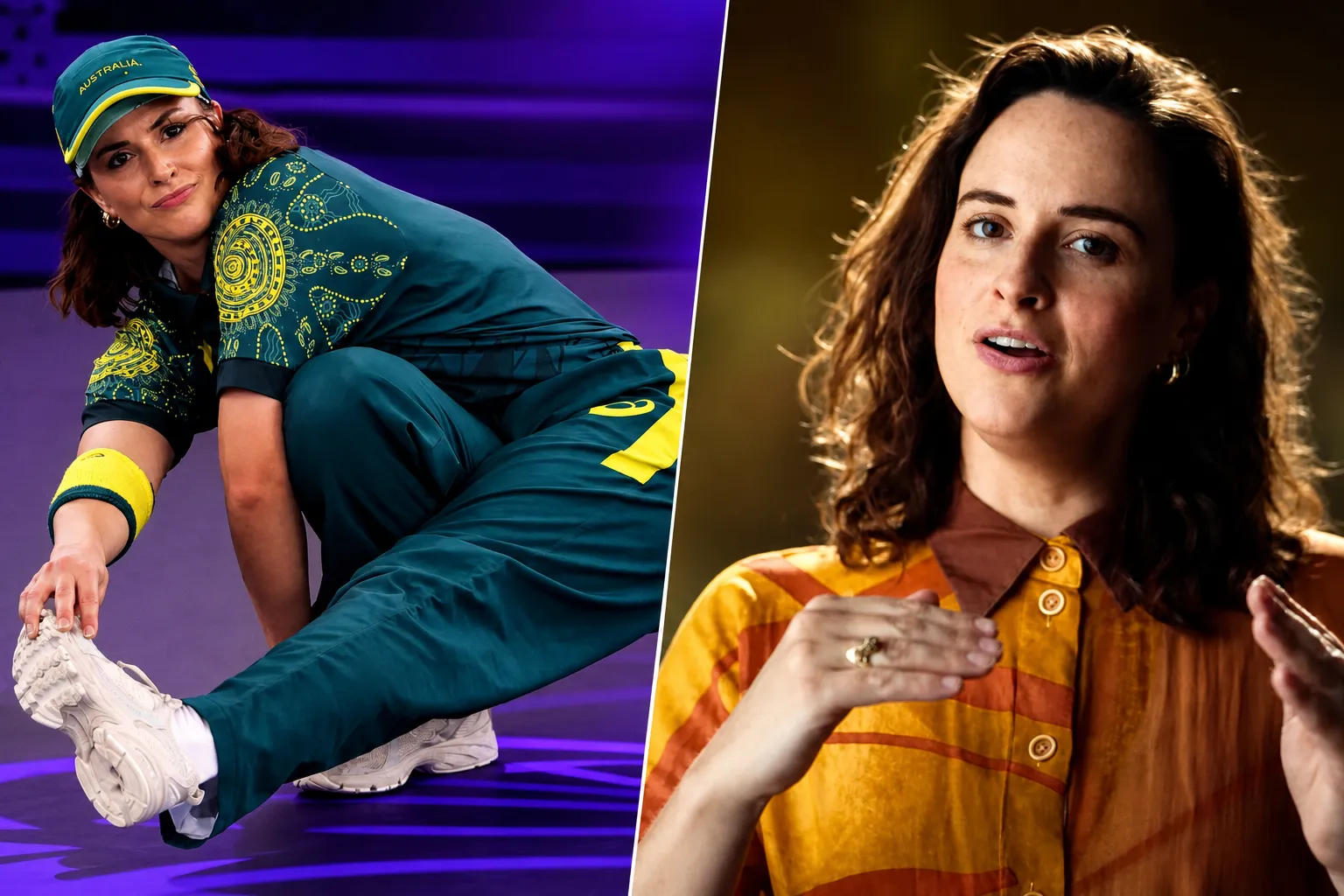
Raygun has admitted she was “cringe” while reflecting on her viral Olympic breakdancing debut in a new Netflix documentary.
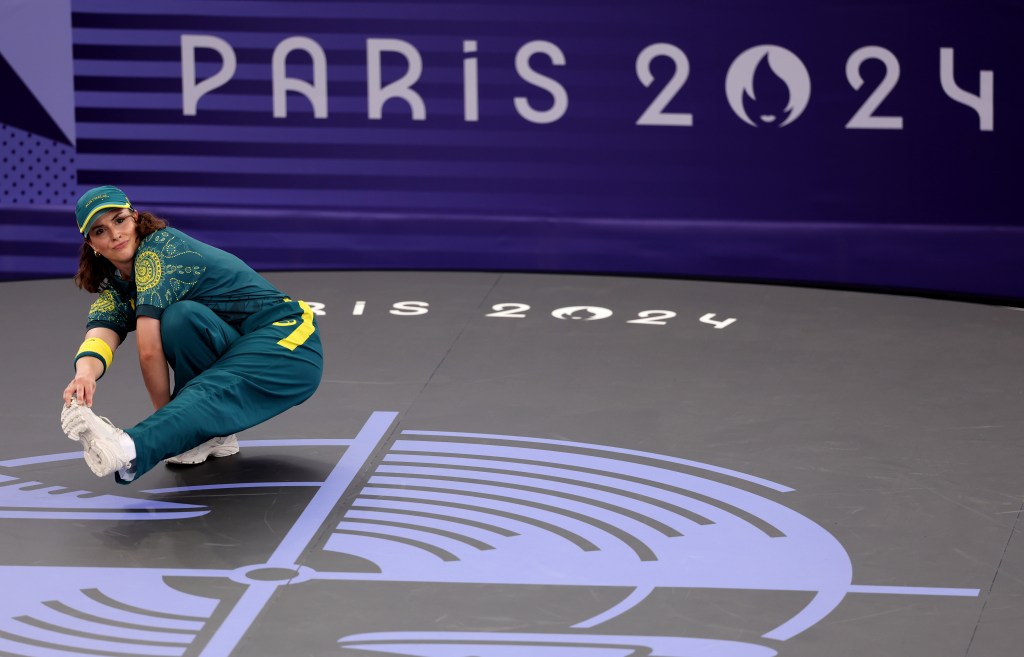
The Australian academic, born Rachael Gunn, 38, made the blunt self-assessment in “Untold Raygun: Breaking Badly,” which began streaming this month. Her performance at the 2024 Summer Olympics in Paris made her an instant global punchline after she failed to score a single point in the inaugural Olympic breaking competition.
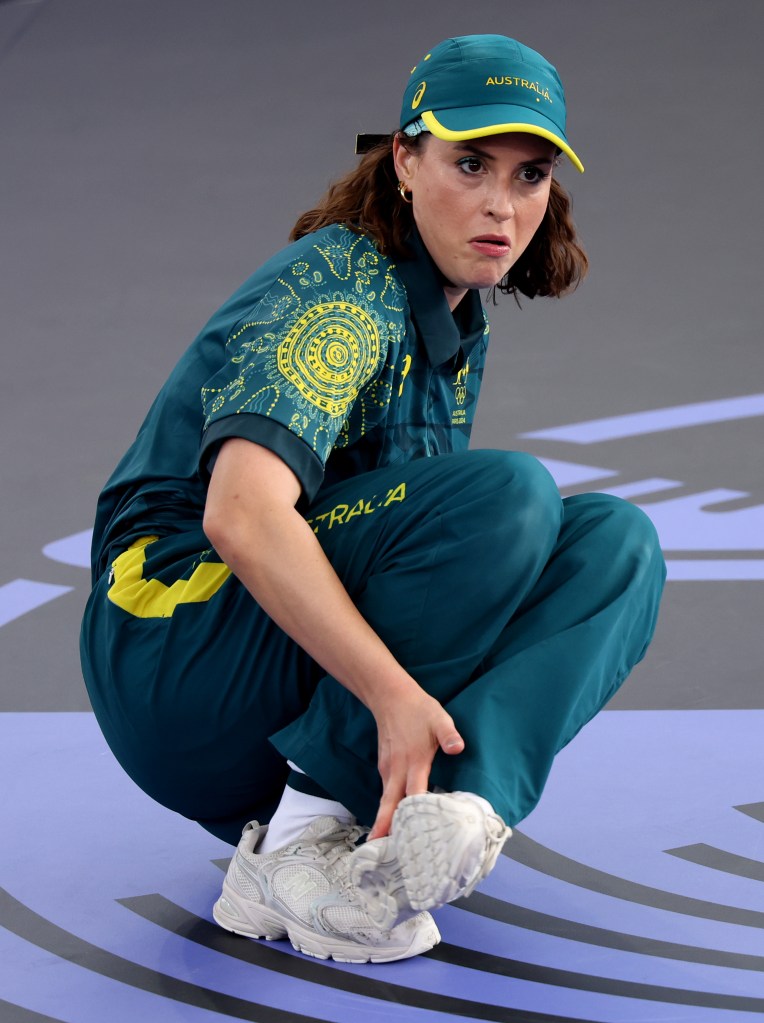
“I was cringe,” she says in the documentary. The routine that sparked worldwide mockery included deliberately playful moves such as the sprinkler and a kangaroo hop, choices she defended as part of breaking’s artistic spirit. “It’s not always about the most athletic movement, it’s about the art,” she explains in the film.
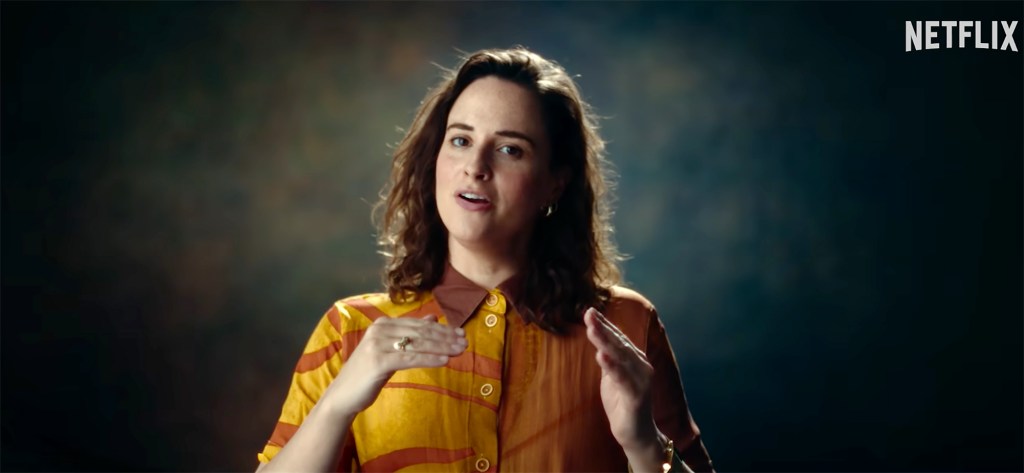
Her husband and coach, Samuel Free, who performs under the name “Sammy Sex,” had helped shift their expectations to a far more modest goal before they reached Paris. “It had become obvious to us that we weren’t even gonna win one [dance] battle at the Olympics,” he says in the doc. The couple aimed simply to earn one vote from any of the nine judges. She received zero.
Free notes that the routine was crafted to celebrate “Australian culture.” He acknowledges the moves were “a bit cheesy” but says they wanted to have “fun” and make it a “moment.” When he watched her compete in Paris, he was “struck by the beauty” of the performance.
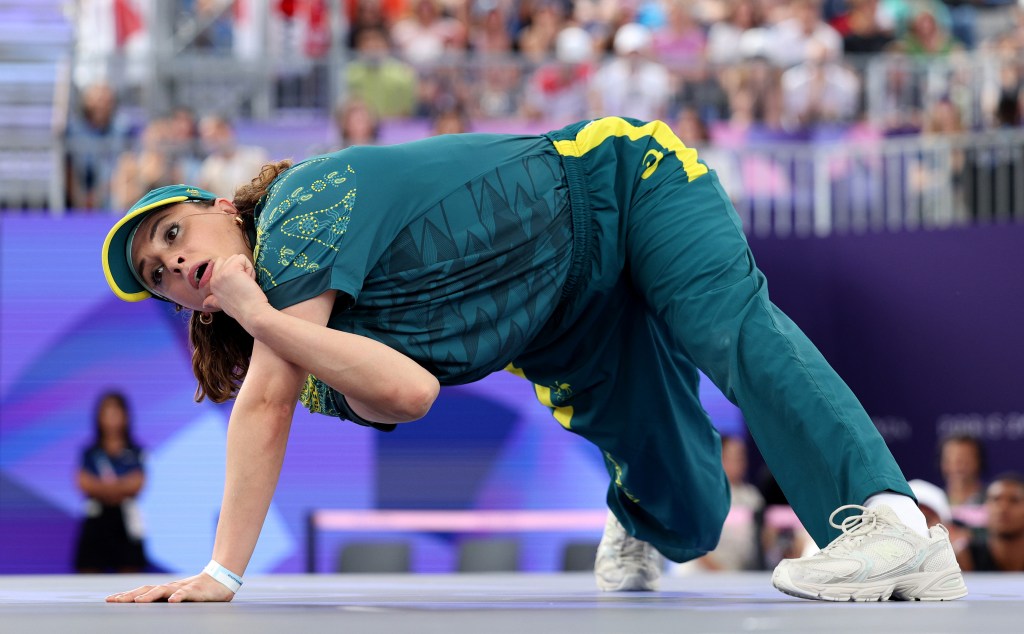
The internet responded with immediate and sustained cruelty. An Olympics handler warned Raygun after her routine that something was “brewing” on social media and advised her to disconnect for several days. The backlash became what she describes as a “growing monster.” “It really saddened me to see how many women decided to hate on me,” she says. “It was a hot topic talking point to rip into me.”
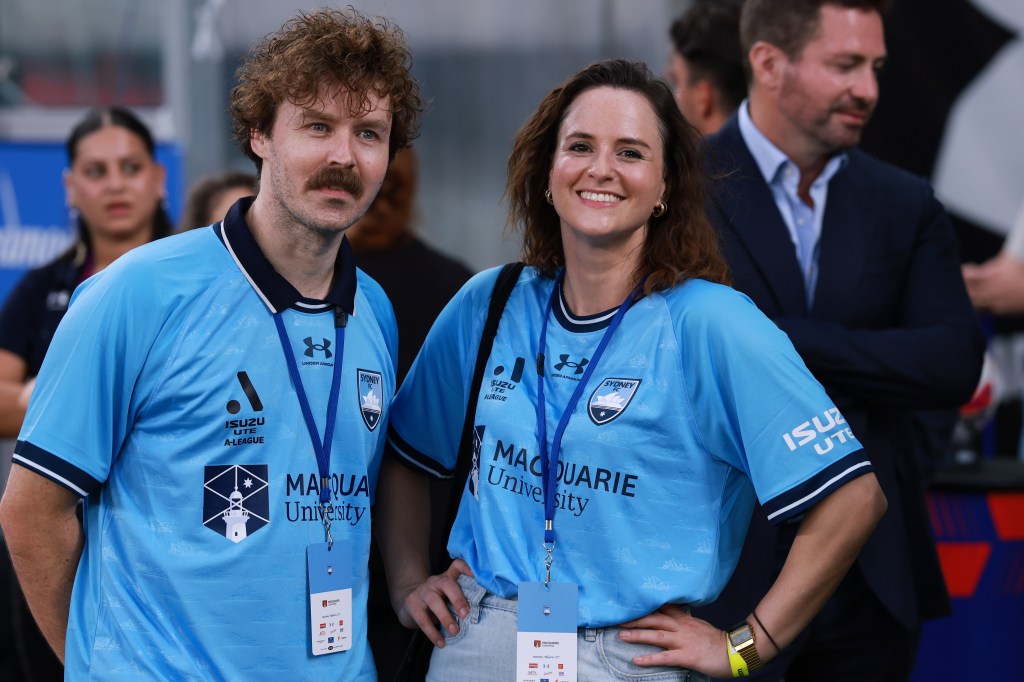
She kept expecting the storm to pass, but “it just kept getting an extra gust of wind.” At her lowest point, she felt like “I was falling into a dark pit” and “realized my life as I know it is over.” Free recalls the period as genuinely perilous: “It wasn’t certain we would get through it. It was like a massive trauma.”
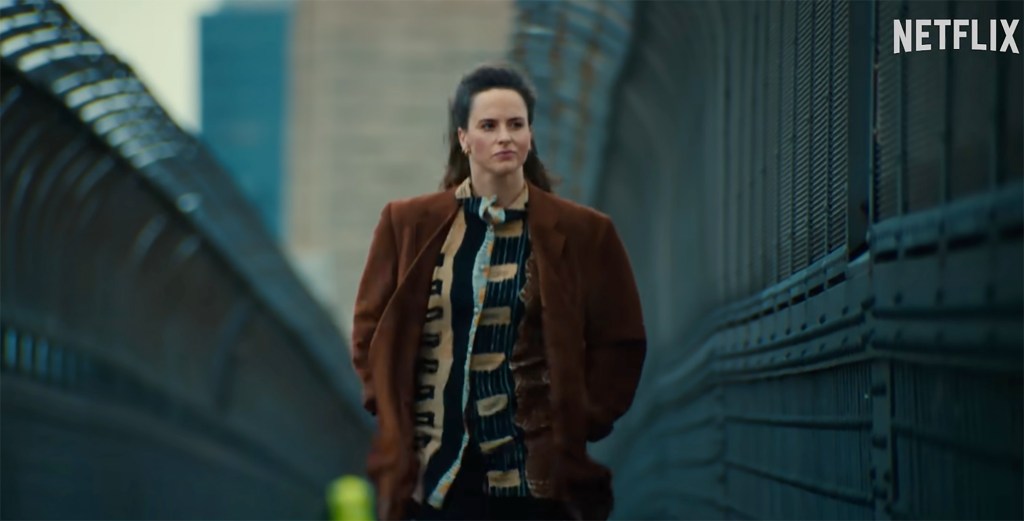
The online response also spawned conspiracy theories claiming Free held influence with the Australian Olympic Committee and rigged his wife’s entry. “This misinformation is getting a lot of traction,” he says in the documentary, adding firmly, “I wasn’t a judge. I was never on any selection committee.”
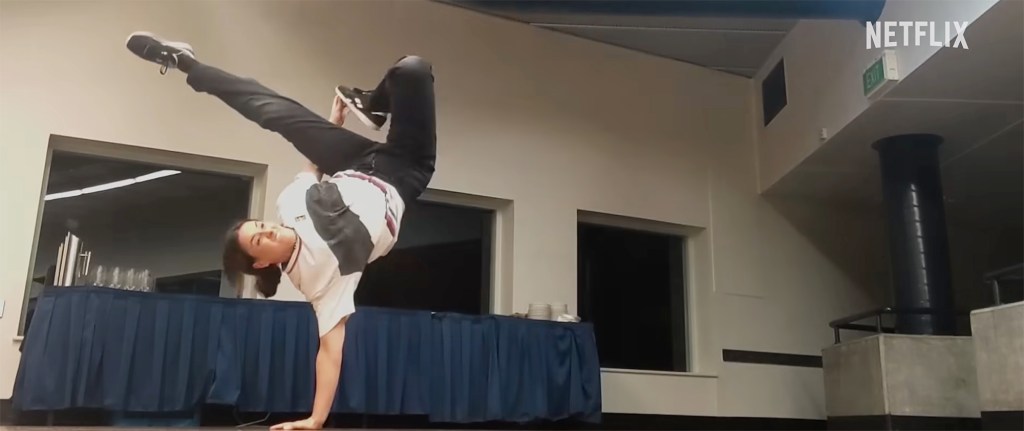
Leah Clark, a former friend and fellow Australian breakdancer who performs as “Flix,” appears in the doc to voice her own conflicted reaction. “But with her Olympic performance, I was offended by it. I was embarrassed by it,” Clark says. Yet she confirms that Raygun earned her spot fairly, noting that at the national Olympic qualifier, Raygun was “the best” of Australia’s female breakdancers “on that day.”
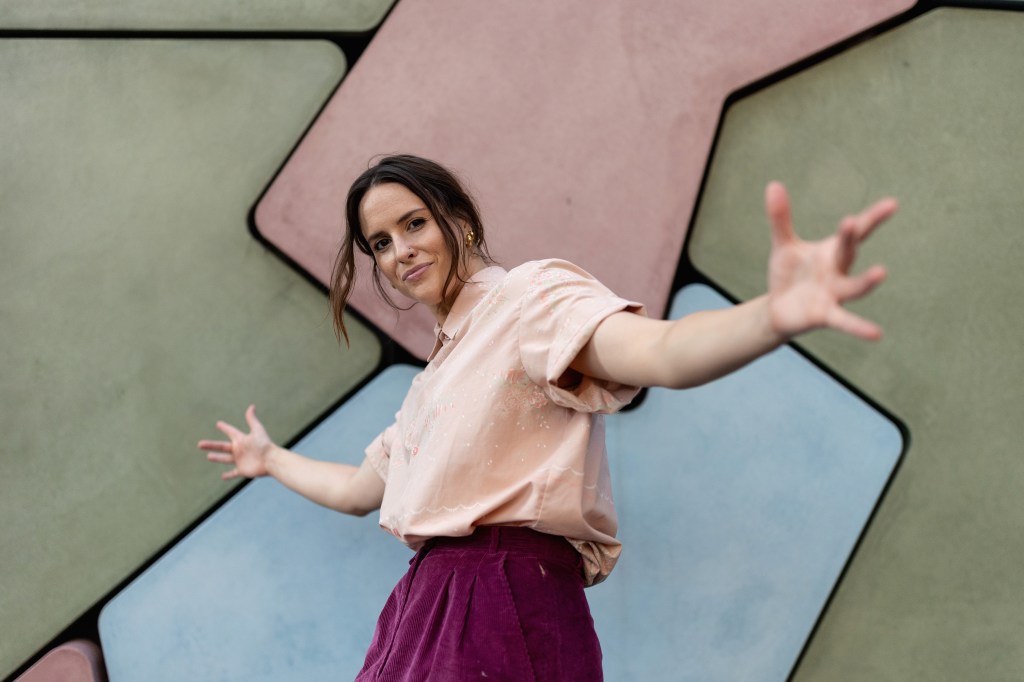
The path to Paris had been improbable from the start. Raygun came to breaking as an adult through Free, then pursued the sport with academic intensity, completing a PhD thesis on breakdancing at Macquarie University in Sydney. When the Olympic Committee approved breaking for the 2020 Games, she won Australia’s qualifier and “naively” expected institutional support, she recalls. Instead, she had only her husband as coach and nine months to transform herself into an Olympic athlete, having never worked out regularly before. She threw herself into daily gym sessions.
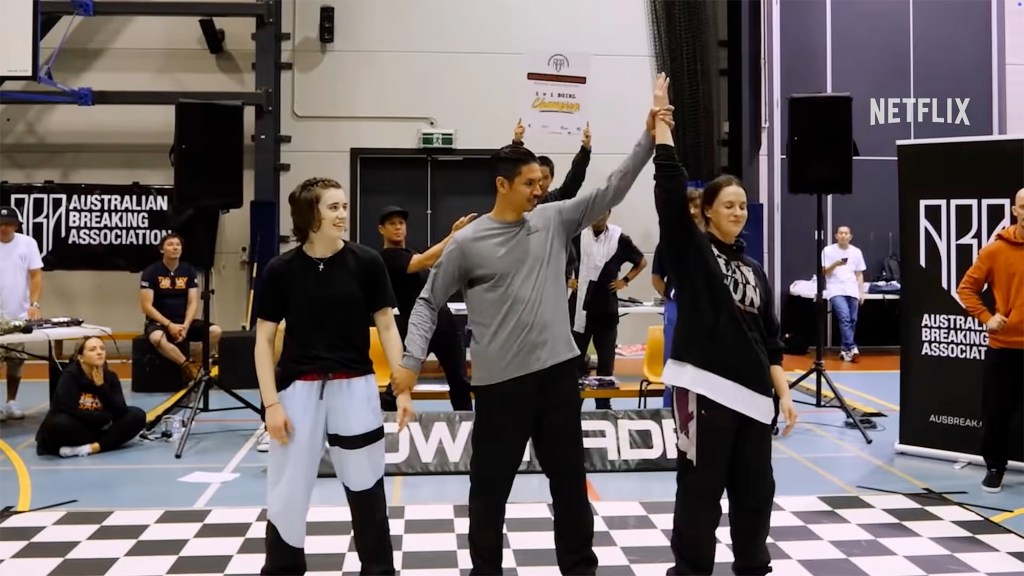
The physical and psychological toll mounted. In the months before Paris, she was prescribed antidepressants, and Free notes she suffered from “physical exhaustion, cognitive exhaustion, and emotional exhaustion,” She continued only because she didn’t want to have “regrets.”
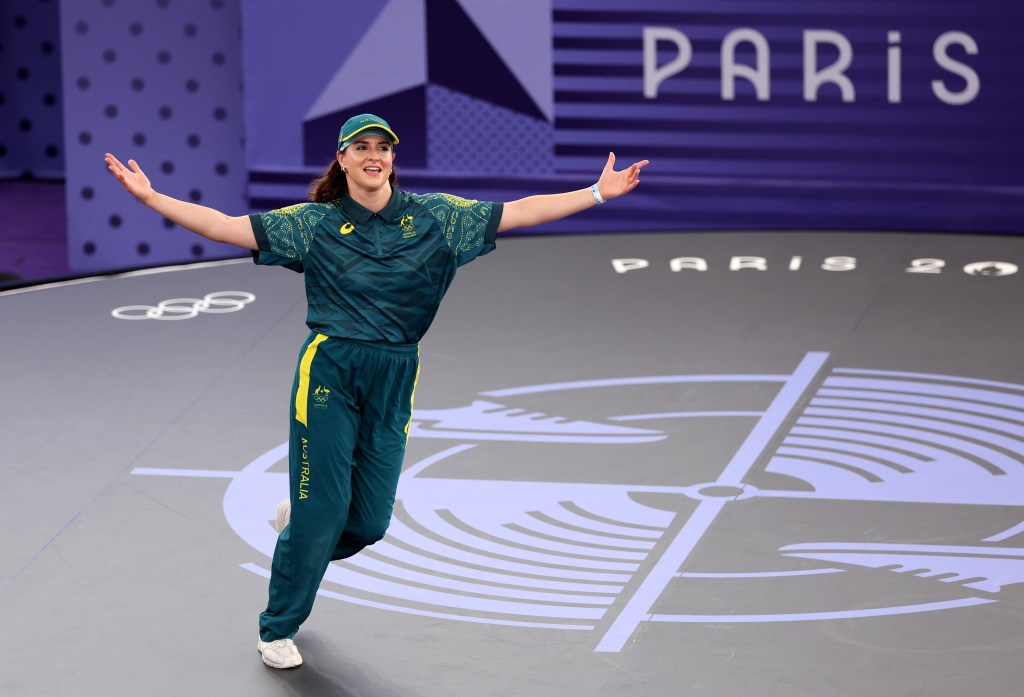
A turning point came through an unlikely ally. English billionaire Richard Branson, 76, invited her on a Virgin Voyages cruise in September 2024 because he found her performance “extraordinary.” Raygun describes that experience as “joyful” and says it showed her she could survive the ordeal.
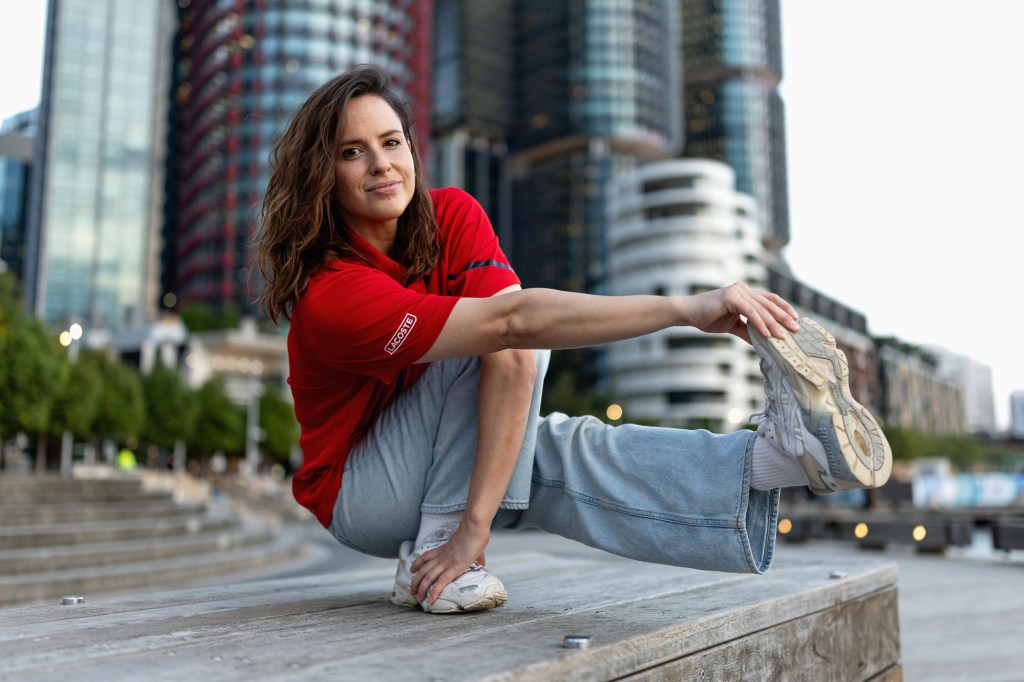
By November 2024, she announced her retirement from dancing, citing the “really upsetting” response. The documentary follows her gradual return to dance events in 2025, performing simply to prove the backlash didn’t “defeat” her.
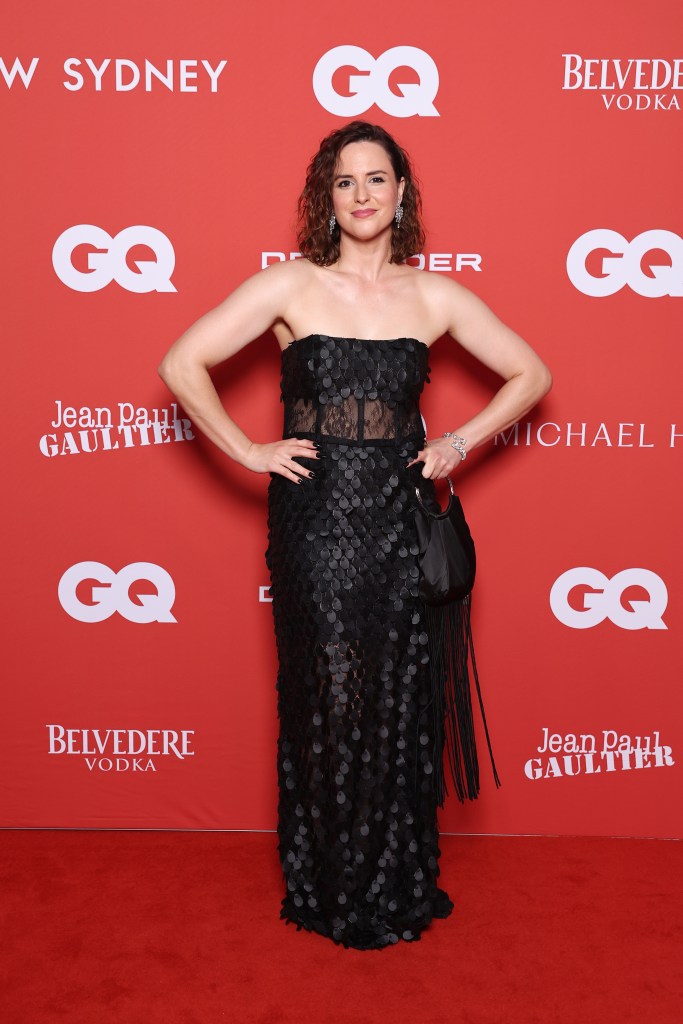
“I know for sure I’m never gonna stop dancing,” she declares in the film. “I know I’m a dorky white woman… and I’m OK with that.” She has also left her academic position, telling the camera, “I recently made the decision to leave my job in academia. I’m excited for what’s next.”
In an interview published Aug. 31, she said that she hopes the documentary “opens doors.” The experience made her “resilient,” she said, but she remains vigilant about her mental health, “checking in” regularly and pulling back when needed.