

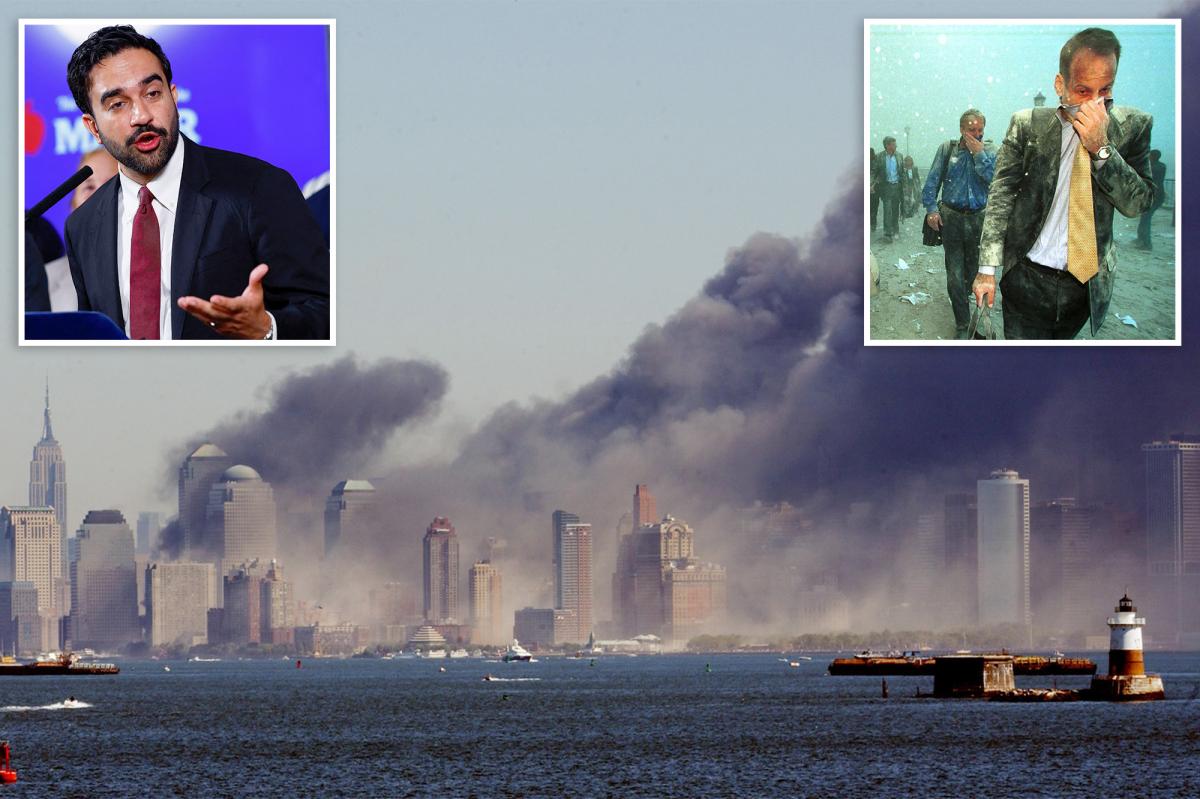
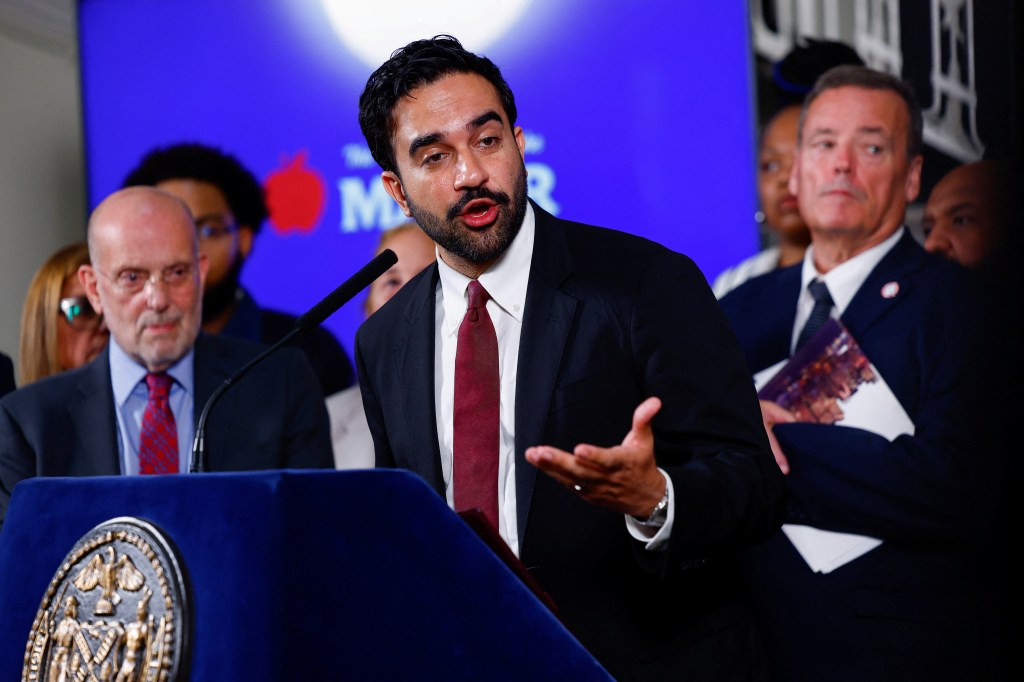
New York City Mayor Zohran Mamdani opened a new online portal Tuesday containing nearly 170,000 pages of previously concealed 9/11 records, declaring from City Hall that “it is time for this painful chapter to end.”
Mamdani, 43, was flanked by comedian Jon Stewart and other advocates for survivors and first responders as he addressed the release, which stems from a settlement ending two long-running lawsuits filed by the watchdog group 9/11 Health Watch. The documents detail health and air quality concerns in the months following the September 2001 terrorist attacks, with some files showing city officials were aware of toxic risks while publicly downplaying them.
“These are documents that show what the city knew about toxic air around Ground Zero, when they knew it and how they acted to limit liability,” Mamdani said. “They contain details about (Department of Environmental Protection) response, they show how asbestos was found nearly every where that inspectors tested and they will help New Yorkers as they access the healthcare they need.”
Among the most explosive materials is the so-called “Harding memo,” an October 2001 communication written by city lawyers to Bob Harding, then-deputy mayor for economic development under Mayor Rudy Giuliani. The memo explicitly warned that the city could face tens of thousands of lawsuits from people exposed to toxic substances at Ground Zero, revealing private legal concerns that contrasted sharply with public reassurances about air safety.
The document cache also incorporates materials from “68 boxes” of 9/11 health-related records that were only located earlier this year, in 2025. Their delayed discovery added another layer of frustration for advocates who spent decades pressing for transparency about environmental conditions in Lower Manhattan.
Stewart’s presence at the announcement underscored the sustained celebrity advocacy that has kept pressure on officials to address health impacts on rescue workers, cleanup crews and downtown residents. The former “Daily Show” host has repeatedly testified before Congress and publicly confronted lawmakers over funding shortfalls for the September 11th Victim Compensation Fund.
The portal’s launch marks a turning point for the 9/11 Health Watch organization, which pursued litigation to force disclosure of records that city agencies had long resisted releasing. Settlement terms required the comprehensive document dump rather than selective disclosure.
Legal experts following the cases note that the Harding memo could prove particularly significant for pending and future litigation, as it demonstrates contemporaneous awareness of liability risks. The reference to widespread asbestos detection contradicts early public statements characterizing the air as safe to breathe.
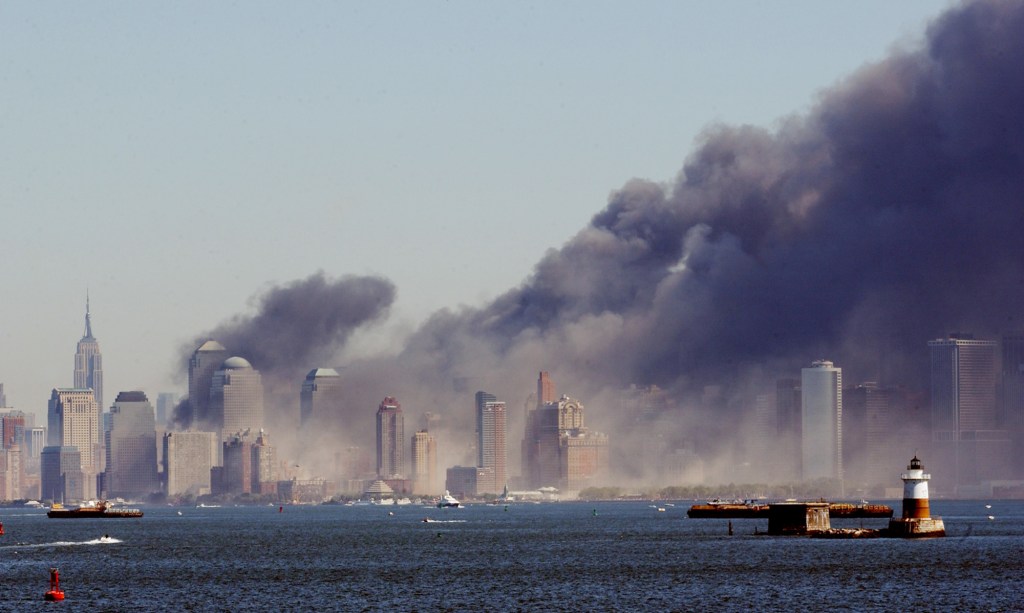
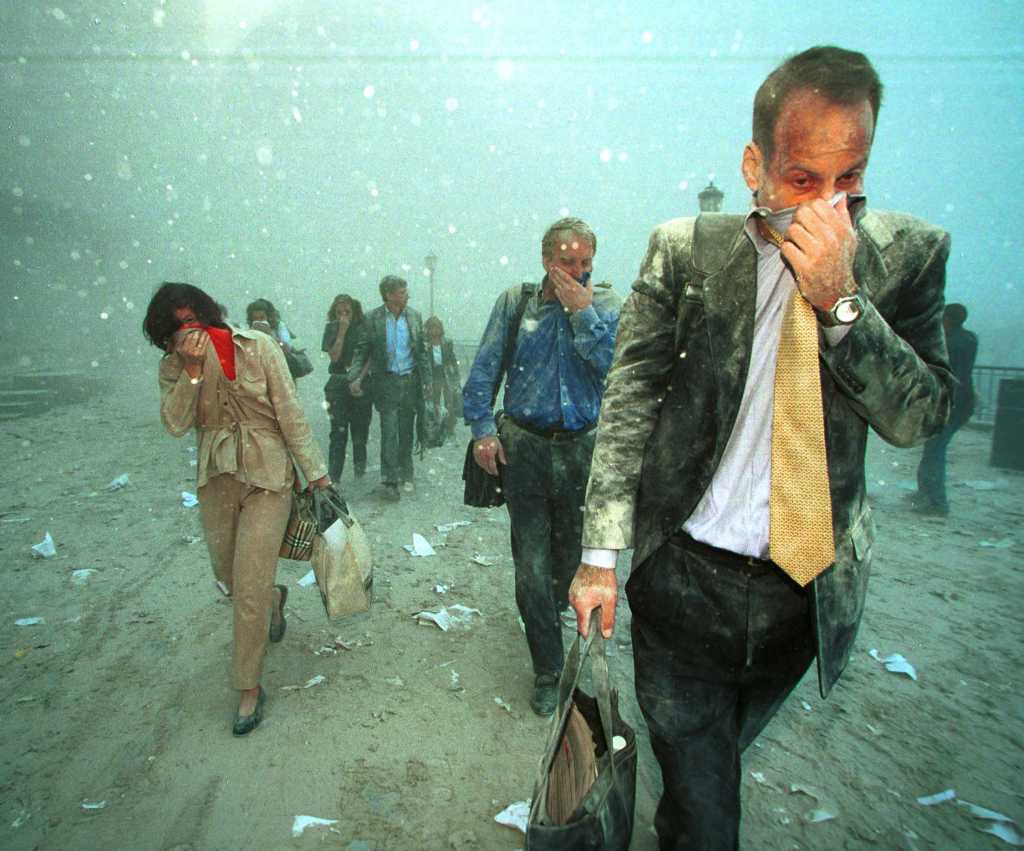
The release arrives twenty-five years after hijacked planes destroyed the World Trade Center towers, unleashing a toxic plume of pulverized concrete, asbestos, lead, mercury and other hazardous materials across Lower Manhattan. In the attack’s immediate aftermath, federal and city officials assured workers at the site and residents of surrounding neighborhoods that the air quality posed no serious health threat, guidance that led many to forgo protective equipment.
Thousands of first responders and survivors later developed respiratory illnesses, cancers and other conditions linked to exposure, with the death toll among recovery workers eventually exceeding the number of people killed in the initial attacks. The discrepancy between public statements and internal knowledge documented in the newly released records has fueled accusations that officials prioritized liability protection over human health.
The online portal allows public access to DEP inspection results, internal legal analyses and communications between senior officials during the critical months when exposure was most intense. Researchers and affected individuals can now examine exactly when specific contaminants were identified and how that information circulated within government channels.
Advocates emphasized that the documentation will support medical claims and potentially expand eligibility for treatment programs that require proof of exposure. The asbestos findings referenced by Mamdani appear throughout inspection reports, suggesting systematic detection rather than isolated instances.
The Giuliani administration’s handling of Ground Zero environmental data has faced scrutiny for years, though the former mayor and his deputies have defended their actions as appropriate given the emergency circumstances and evolving scientific understanding.
The settlement agreement obligating Tuesday’s release resolved litigation that dragged through courts as city attorneys resisted broad disclosure. 9/11 Health Watch pursued the cases specifically to secure documentation that could clarify decision-making during the period when protective protocols were weakest.
The portal remains open for ongoing public examination as additional materials from the recovered boxes continue to be processed and uploaded.