

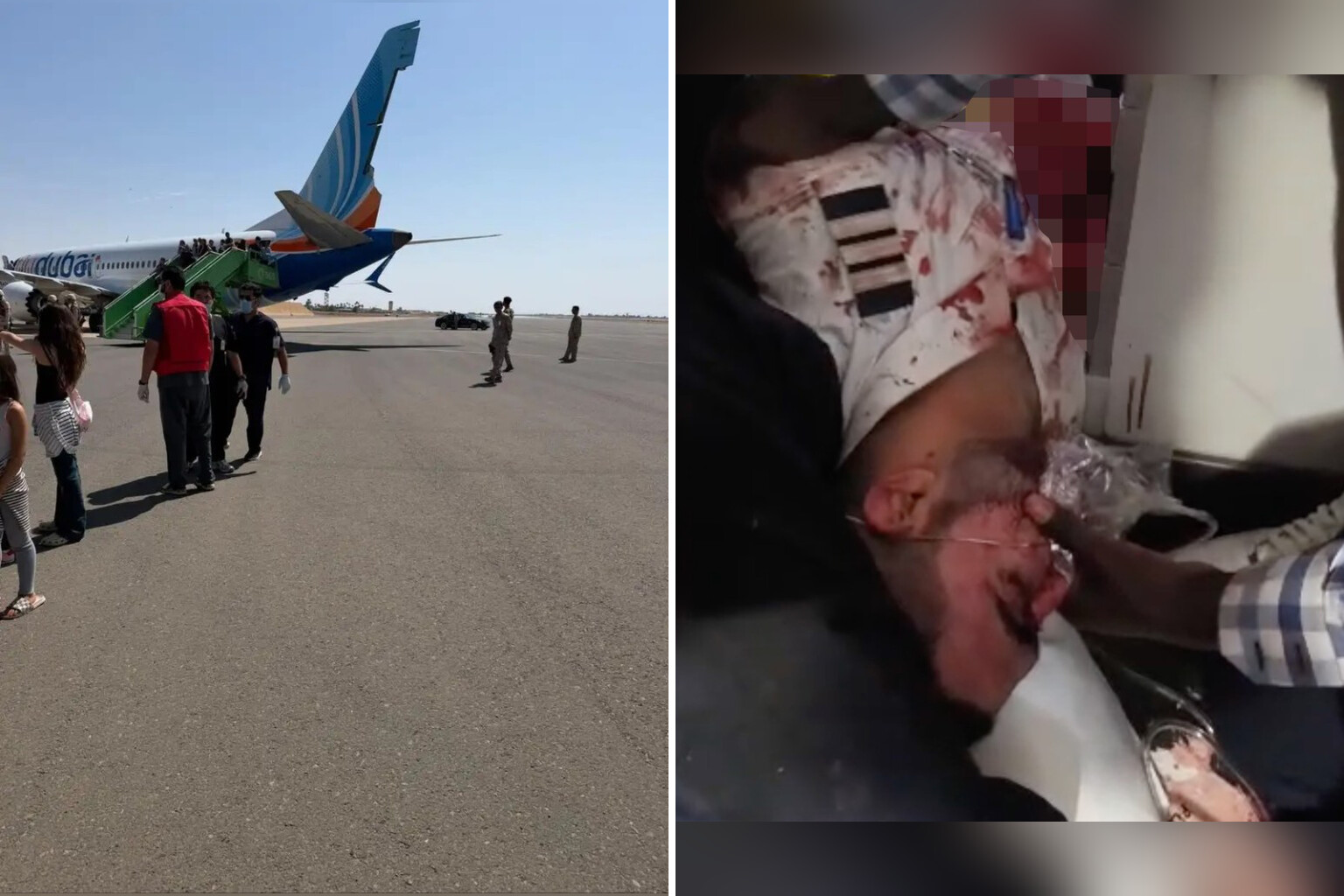
Two off-duty pilots stepped in to land a Tel Aviv-bound jet after its co-pilot allegedly stabbed the captain mid-flight, passengers said.
The Boeing 737 Max, carrying 174 people, had departed Dubai for Israel when the violence erupted roughly two-and-a-half hours into the journey. Israeli media reported the aircraft was cruising at approximately 34,000 feet when the cockpit attack sent it into a terrifying plunge of 17,000 feet in just two minutes.
A passenger who spoke identified one of the relief pilots as British. The second off-duty aviator was also European, though their nationality was not immediately clear. Both men had been scheduled to command a later flight and were aboard as passengers when the emergency unfolded.
The wounded captain lost control as the jet dropped, creating a crisis that demanded immediate intervention. The two relief pilots forced their way into the cockpit or were summoned, accounts vary, and together they stabilized the aircraft. Their actions prevented what Israeli officials are now investigating as a potential “9/11”-style terror attack from reaching its intended target.
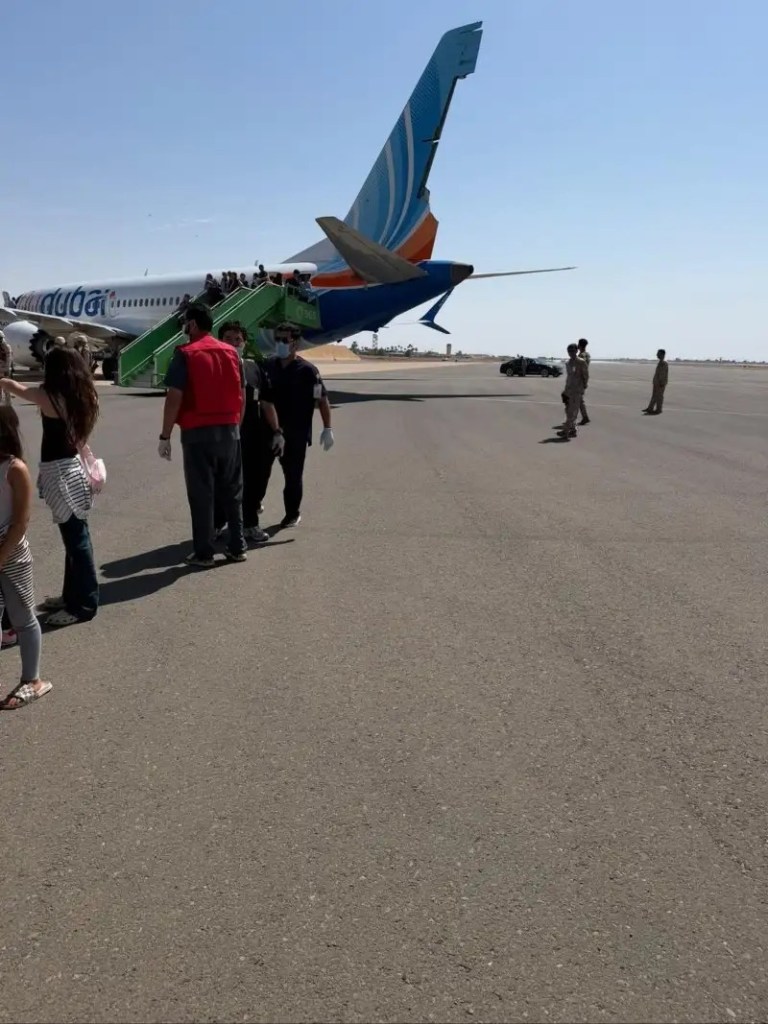
The plane diverted to Tabuk, Saudi Arabia, where it executed an emergency landing with the off-duty pilots at the controls. All 174 passengers survived the ordeal, though the captain’s condition following the stabbing was not detailed in initial reports.
Israeli authorities have taken the lead in probing the co-pilot’s motives and potential terror connections. The suspect’s background and whether he acted alone remain under investigation. The flight, operated by FlyDubai as FZ1073, had been routine until the cockpit violence shattered the calm at altitude.
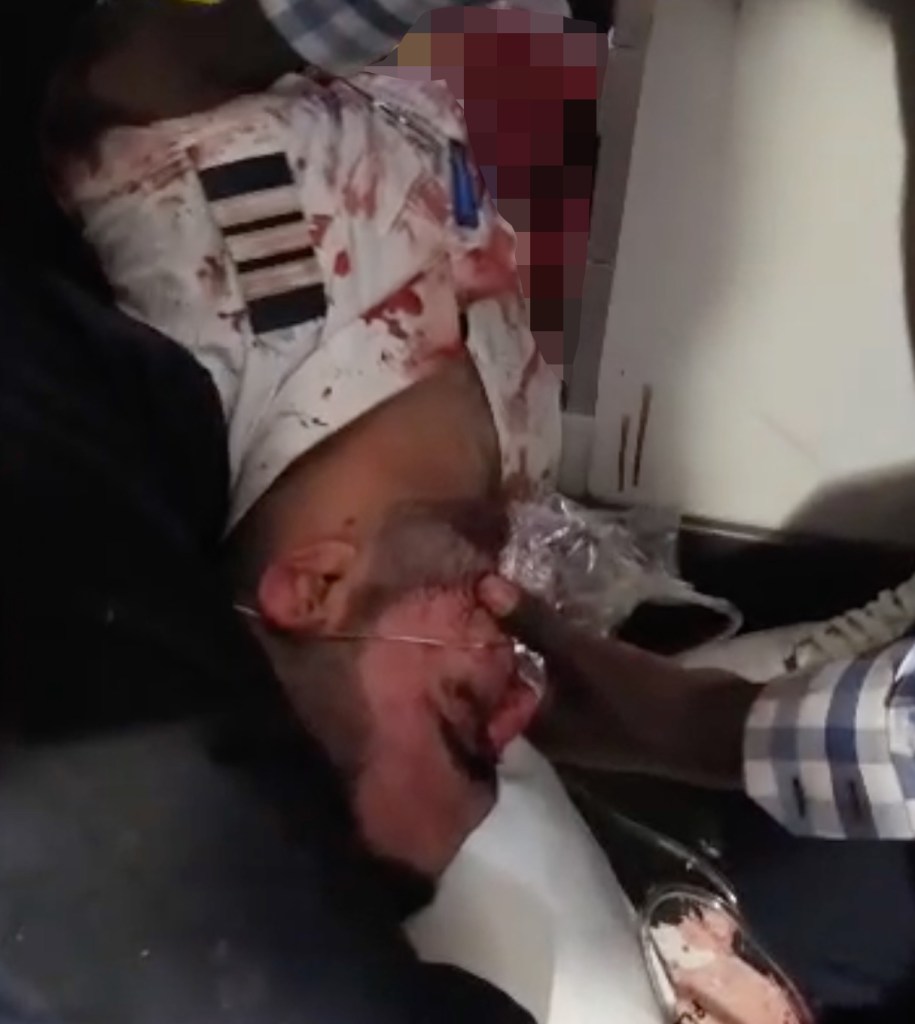
The relief pilots’ intervention drew immediate praise from aviation experts and terror analysts, who noted that off-duty crew members with active flight certifications represent a critical backup in an era of heightened cockpit security. Their presence on this particular route, already positioned for a return rotation, proved decisive in a scenario where trained assistance in the passenger cabin saved lives.
The Boeing 737 Max has faced intense scrutiny following two fatal crashes in 2018 and 2019, though this incident involved human violence rather than mechanical failure. The aircraft type remains in wide service across global carriers including FlyDubai, the low-cost Emirati airline based at Dubai International Airport.
Tabuk, located in northwestern Saudi Arabia, lies roughly 150 miles from the Jordanian border and served as the nearest viable diversion point once the cockpit was secured. Saudi and Emirati officials have not yet issued independent statements on the emergency landing or the ongoing investigation.
Passengers aboard FZ1073 described chaotic scenes as the plane plummeted, with many unaware until afterward that the co-pilot had initiated the attack. The speed of the descent—17,000 feet in 120 seconds—would have generated significant G-forces and panic throughout the cabin before the relief pilots regained control.
The co-pilot, whose name has not been released, was reportedly subdued following the stabbing, though passenger accounts differ on whether travelers assisted in restraining him or whether the off-duty pilots handled the situation alone in the cockpit. Israeli media have emphasized the terror angle in their coverage, framing the incident within broader regional security concerns.
FlyDubai has not issued a detailed statement addressing the specific sequence of events or the crew roster beyond confirming the flight’s diversion. The airline operates multiple daily services between Dubai and Tel Aviv on a route that expanded significantly following the 2020 Abraham Accords normalization agreement between Israel and the United Arab Emirates.