

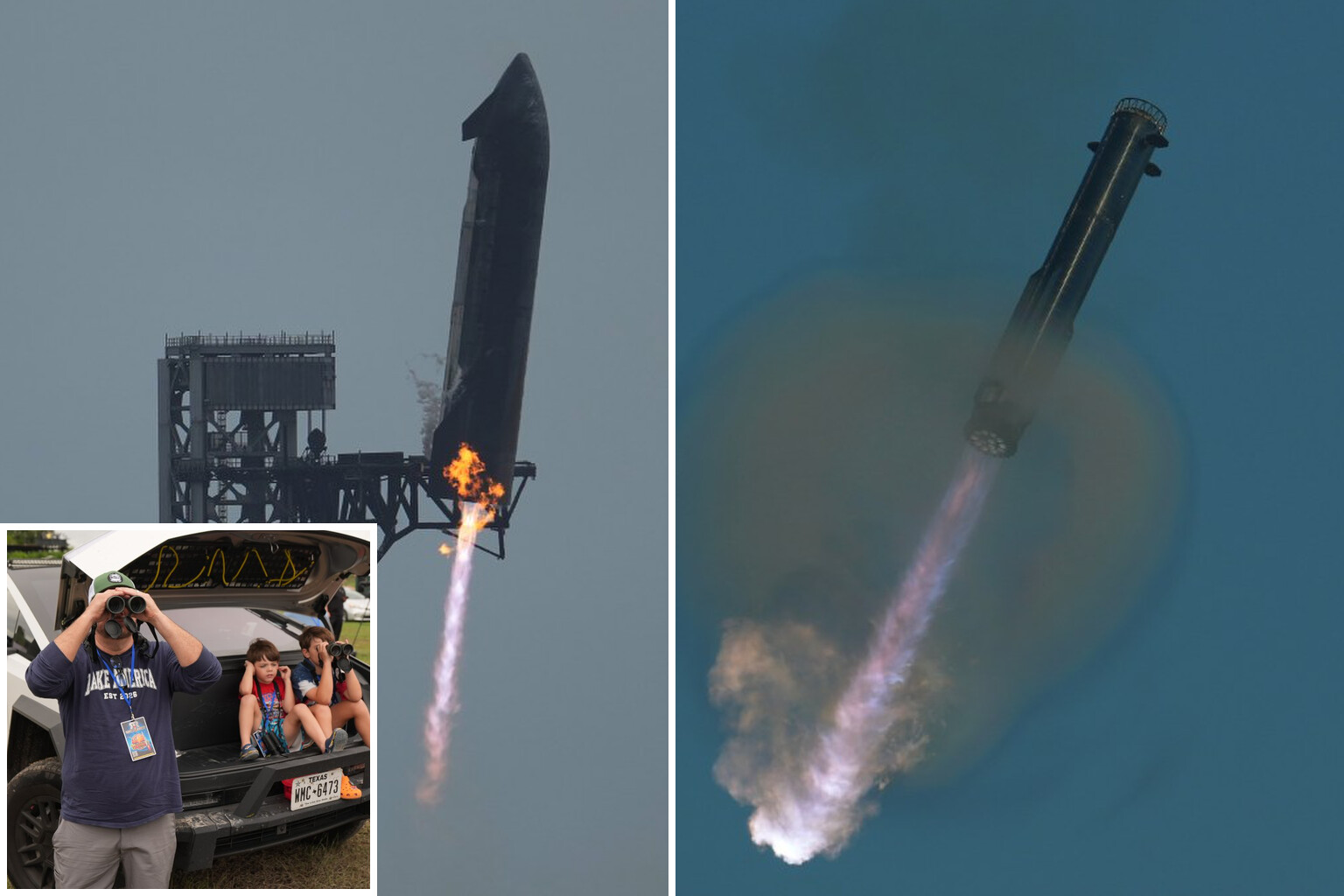
SpaceX secured its Starship upper stage with launch tower arms Saturday after the spacecraft spent more than 22 hours in orbit, achieving the first-ever catch of an orbital vehicle by ground infrastructure.
The Mechazilla tower’s “chopstick” mechanical arms locked onto the returning Starship at Starbase, Texas, completing a maneuver Elon Musk’s company had long pursued as a cornerstone of fully reusable rocketry. The catch followed the rocket’s 15th test launch, which had lifted off Friday with a partial failure.
Elon Musk, 53, praised the achievement Saturday afternoon on X, writing:
“Congratulations to an incredible team at SpaceX!!”
The Starship upper stage had circled Earth 14 times at 17,600 mph — nearly 23 times the speed of sound — before its controlled descent. The spacecraft, the largest and most powerful rocket on Earth, had also deployed 26 Starlink satellites during its orbital stay.

The milestone was dampened by the loss of the mission’s Super Heavy booster, which exploded over the Gulf of Mexico shortly after Friday’s liftoff. That failure prevented the double-catch SpaceX had targeted, with the lower stage meant to return to the launch site for its own tower capture.
Dan Huot, a SpaceX commentator at the Texas launch site, reacted with audible amazement as the upper stage maneuver completed:
“Can you believe it?”
NASA, which has contracted Starship for its Artemis lunar program, quickly hailed the catch. The agency is paying billions to put astronauts back on the moon by decade’s end, with Starship slated to serve as the lunar lander.
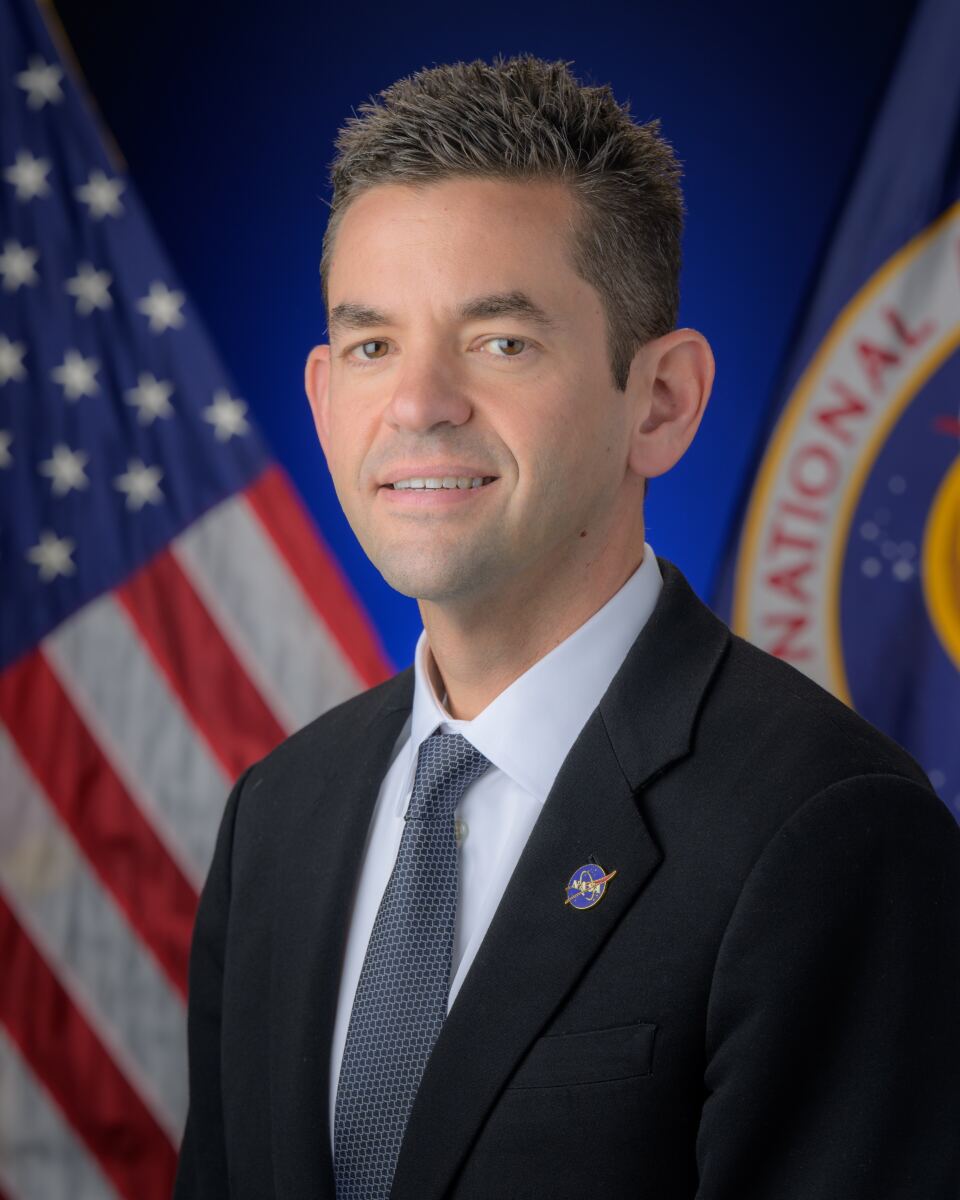
Jared Isaacman, NASA Administrator, said via X:
“It was almost magic.”
The agency’s current schedule targets Artemis III in 2027 for a crewed Earth-orbit docking test with the landers, followed by Artemis IV in 2028 — which would mark the first American moon landing in more than 50 years. Saturday’s success bolsters the case for Starship’s role in those missions, though the booster loss shows the dual-recovery system remains unproven.
SpaceX has now flown fully built Starships 15 times since 2023, with only two of those reaching orbit. The company broadcasts its test flights live via Starlink, its satellite internet constellation.
Looking ahead, SpaceX is preparing to begin Starship launches from Kennedy Space Center in Florida in the coming months, expanding beyond its South Texas facility.