

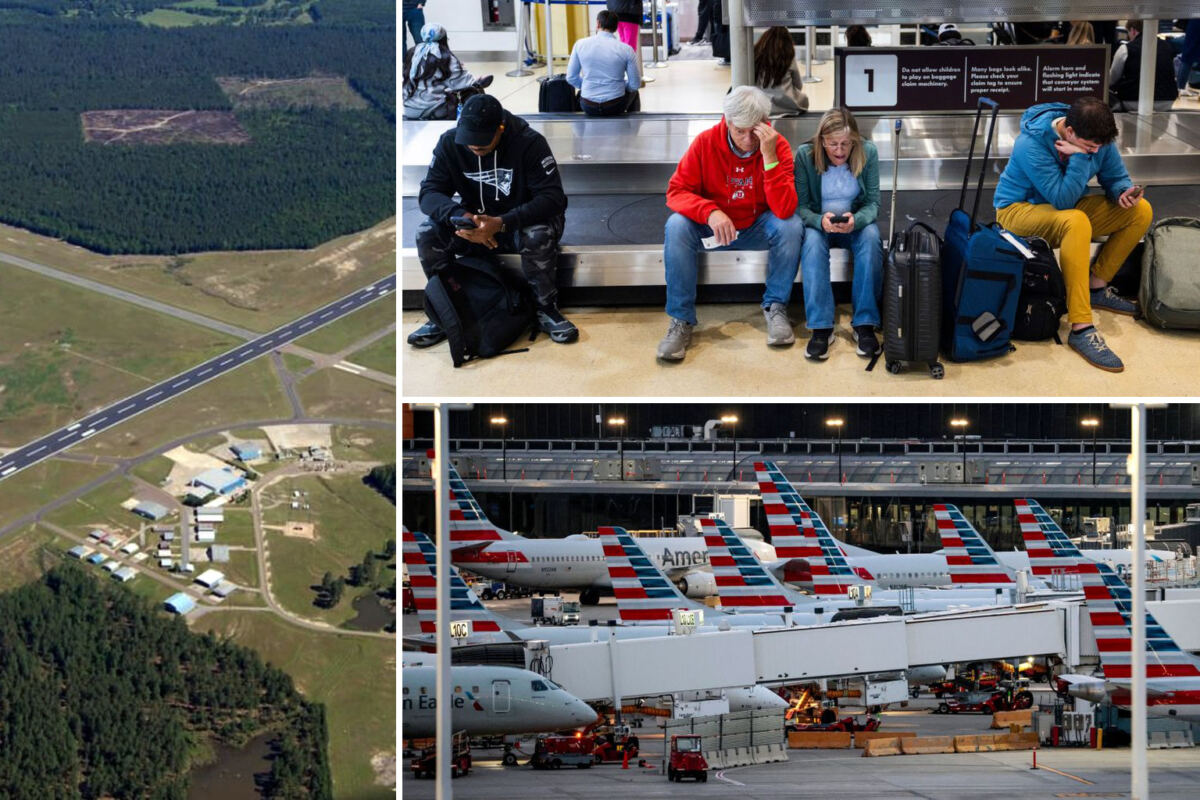
A single malfunctioning router at a remote FAA radio site in rural Arkansas triggered the nationwide ground stop that paralyzed U.S. Air travel on Friday.
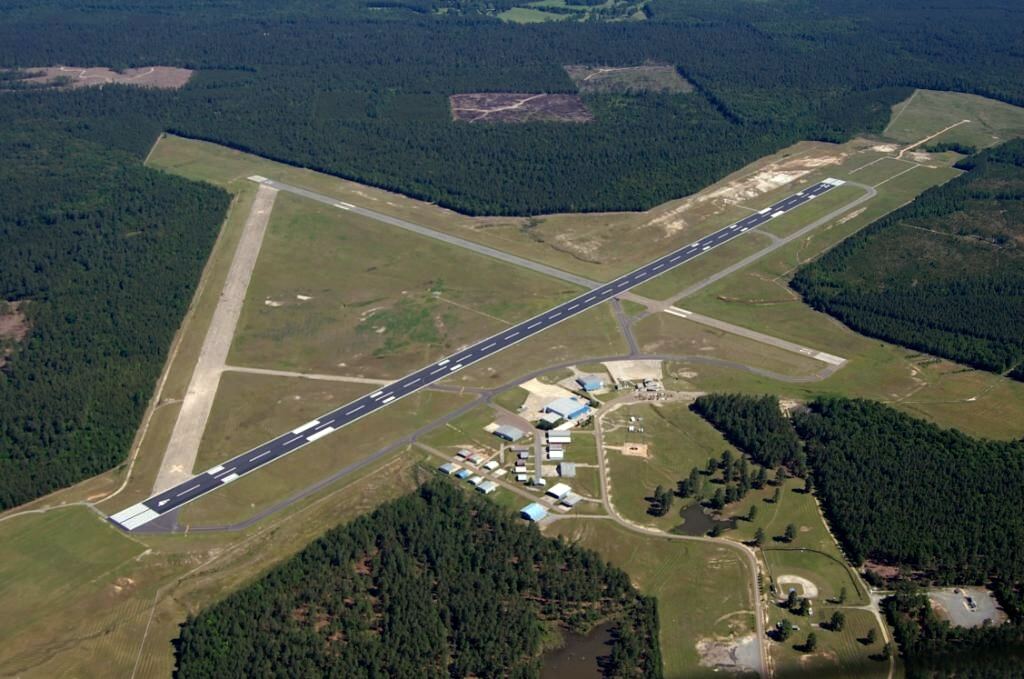
Rebecca Guy, the FAA’s technology chief, said on Saturday that officials traced the failure to two locations hammering the network with extraordinary traffic. “We saw two places that were actually pinging our network at a very high rate, a thousand connections over every four to five seconds,” she said. The flood of connection attempts originated from a newly installed router at the FAA facility in El Dorado, Arkansas, a city of roughly 22,000 people about 210 miles northeast of Dallas.
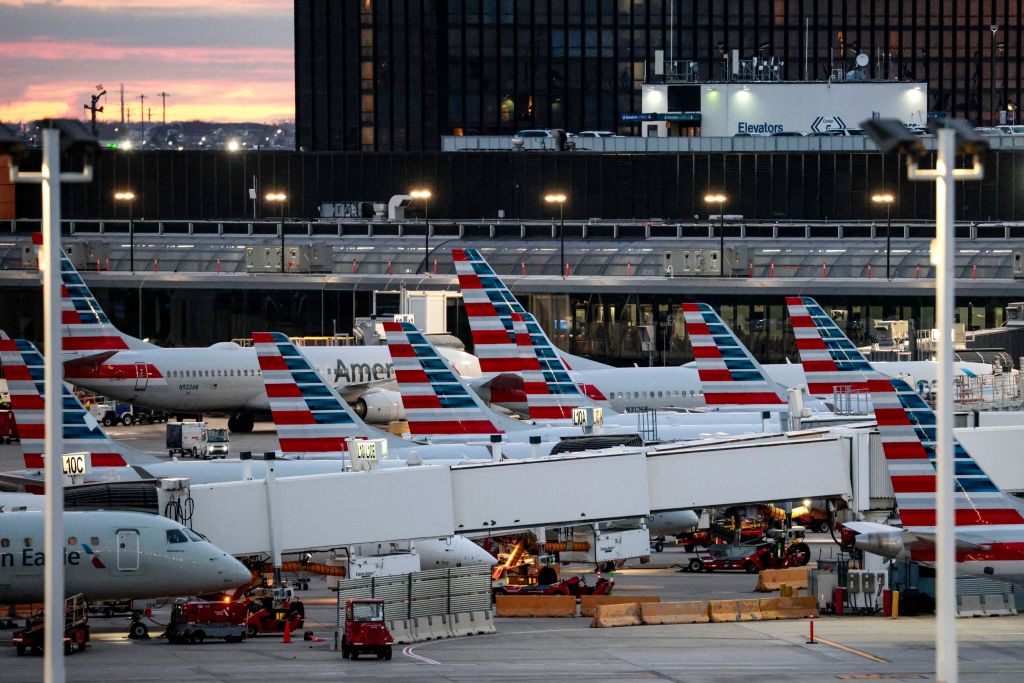
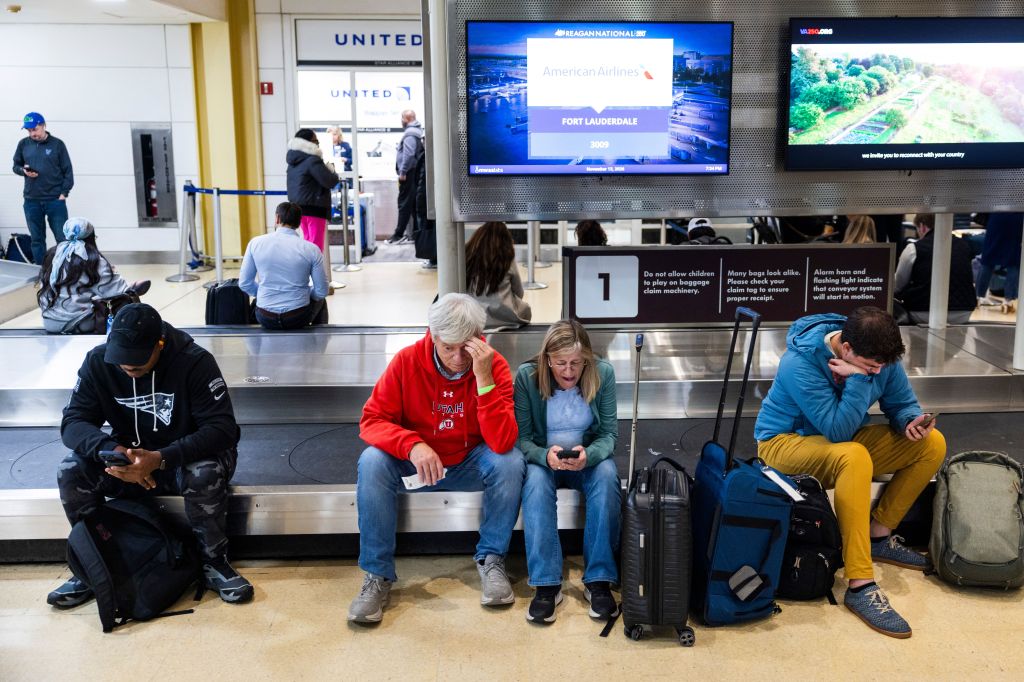
The router’s data deluge disrupted communications between pilots and air traffic controllers and interfered with radar feeds across the system. More than 3,500 flights were grounded during the roughly five-hour shutdown, leaving tens of thousands of travelers stranded and triggering cascading delays and cancellations that stretched into the weekend.
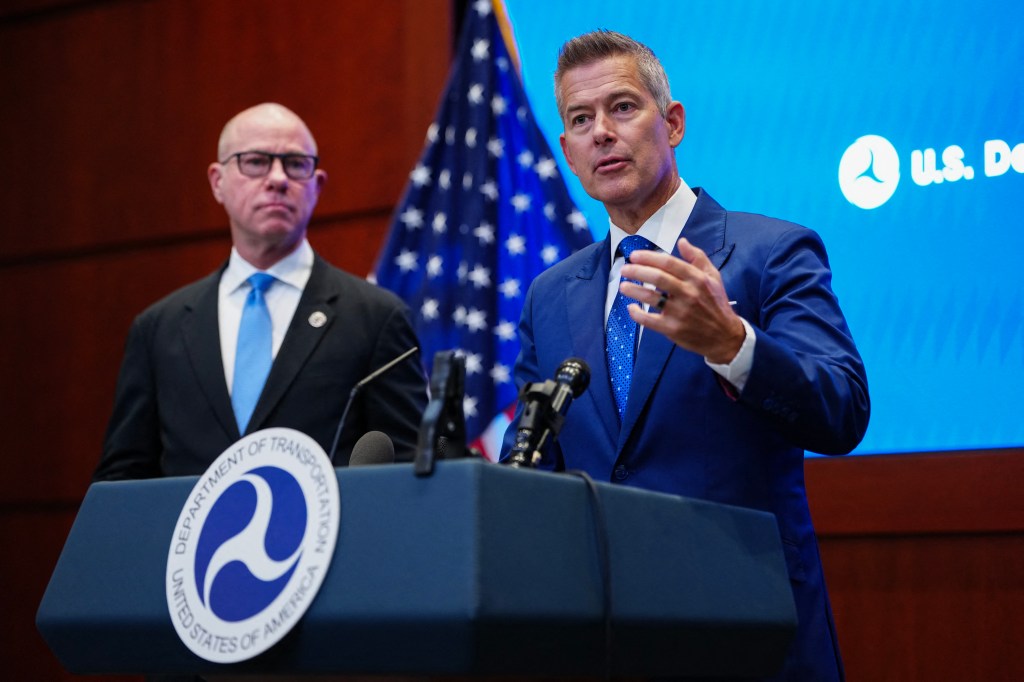
Secretary of Transportation Sean Duffy confirmed the routing issue on Sunday during an appearance on Face the Nation. He said officials are examining whether defective equipment or installation errors by contractor L3Harris caused the failure. “We actually have both routers with L3Harris, who operates and owns our network. FAA is on site as well. FBI is offering support. We’re looking at that right now, and when we know what the root cause of this issue was, was it the install from L3Harris? Was it the router?” Duffy said.
“I’m going to tell you and the American people what we find.”
Duffy said the failure struck during routine maintenance aimed at replacing aging copper telecommunications lines with fiber-optic cables, part of a broader push to modernize the FAA’s outdated infrastructure. The router began flooding other devices across the air traffic control network with connection attempts, disrupting both communications with aircraft and radar feeds.
A radar station in Amarillo, in the Texas panhandle, is also being examined as a possible contributing factor to the outage.
L3Harris said it is assisting the FAA’s investigation and noted that it has completed more than 70% of the planned conversion from legacy copper wiring to fiber-optic technology. The company has been working with the FAA on network modernization efforts for more than two decades.
The FAA has stated there was no evidence of a cyberattack.
The ground stop and its aftermath created chaos at airports across the country, with service still struggling to recover through Sunday at major hubs including LAX and SFO.