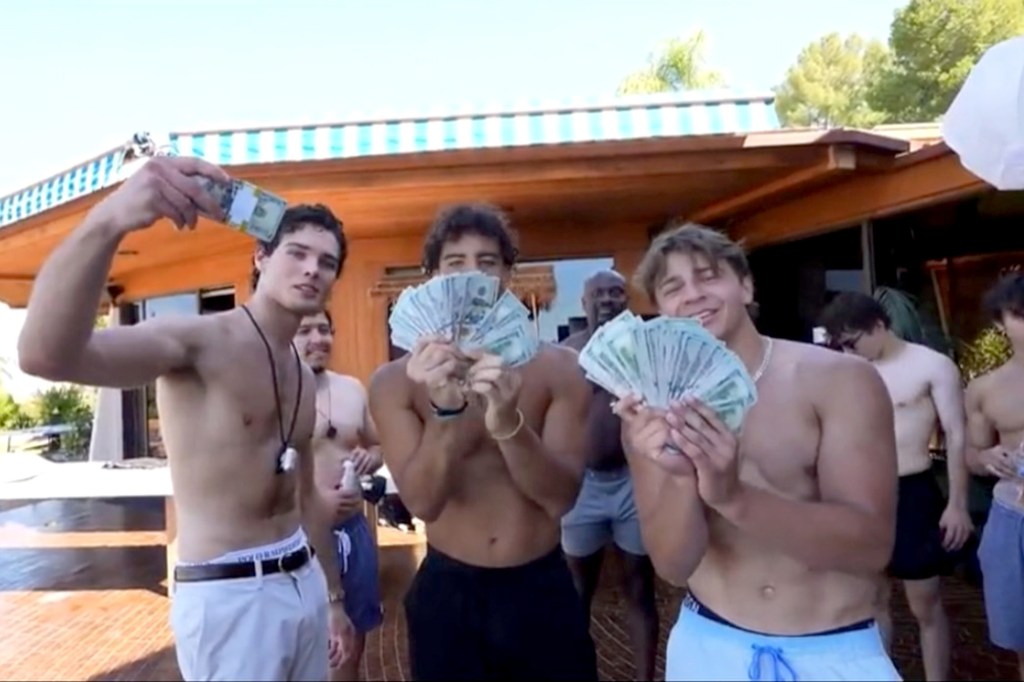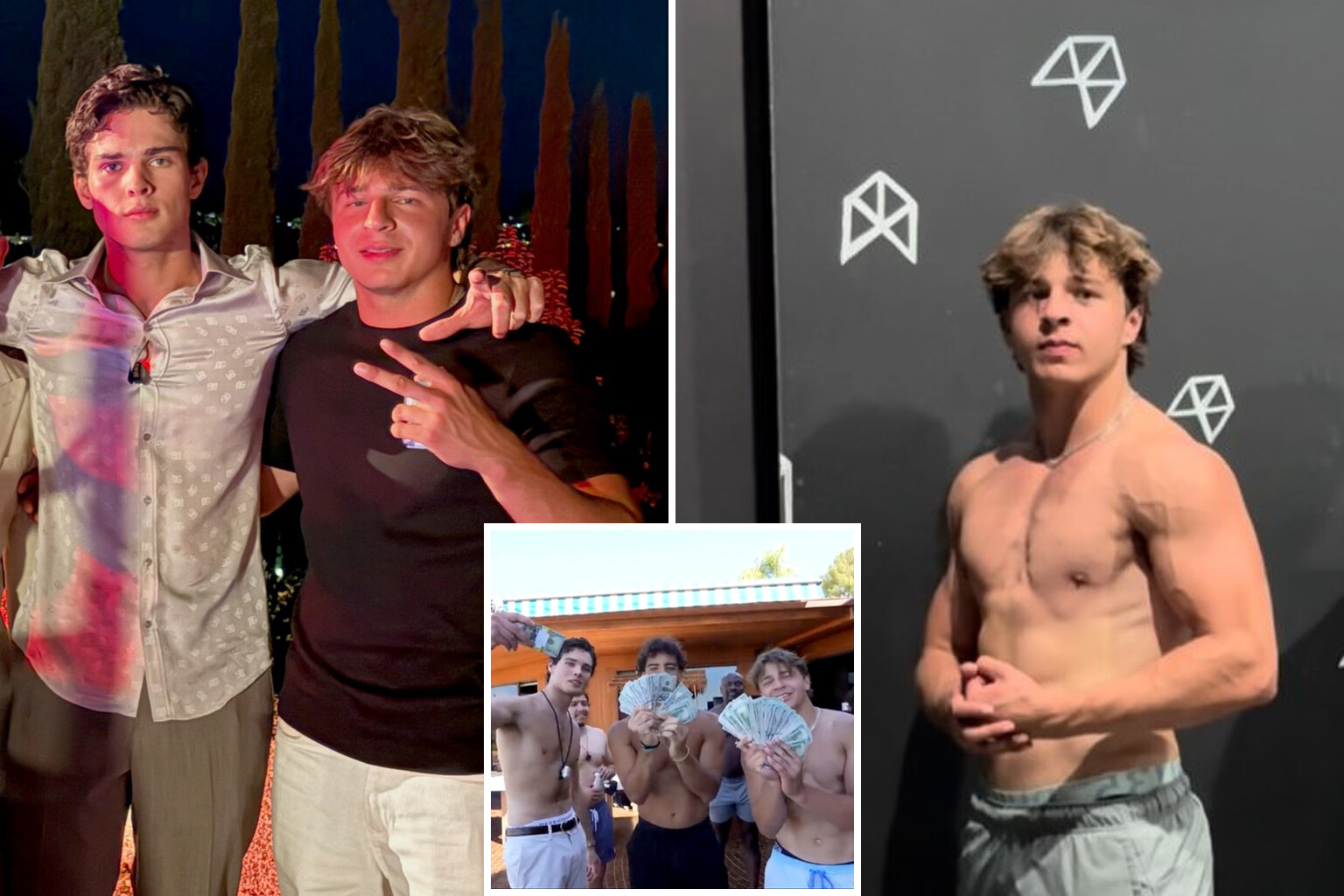
William Munro’s parents panicked when they discovered their teenage son had vanished from their Ontario home.
The 19-year-old business major at Western University had secretly flown to Los Angeles to attend “Camp Looksmax,” a seven-day bootcamp run by embattled influencer Clavicular, and had spent $7,000 of his own savings without telling them. When his parents reached him by phone at the airport after noticing his empty bedroom, Munro gave them what he called a “really basic explanation” of the looksmaxxing movement and lied that he had won a giveaway from a YouTuber.
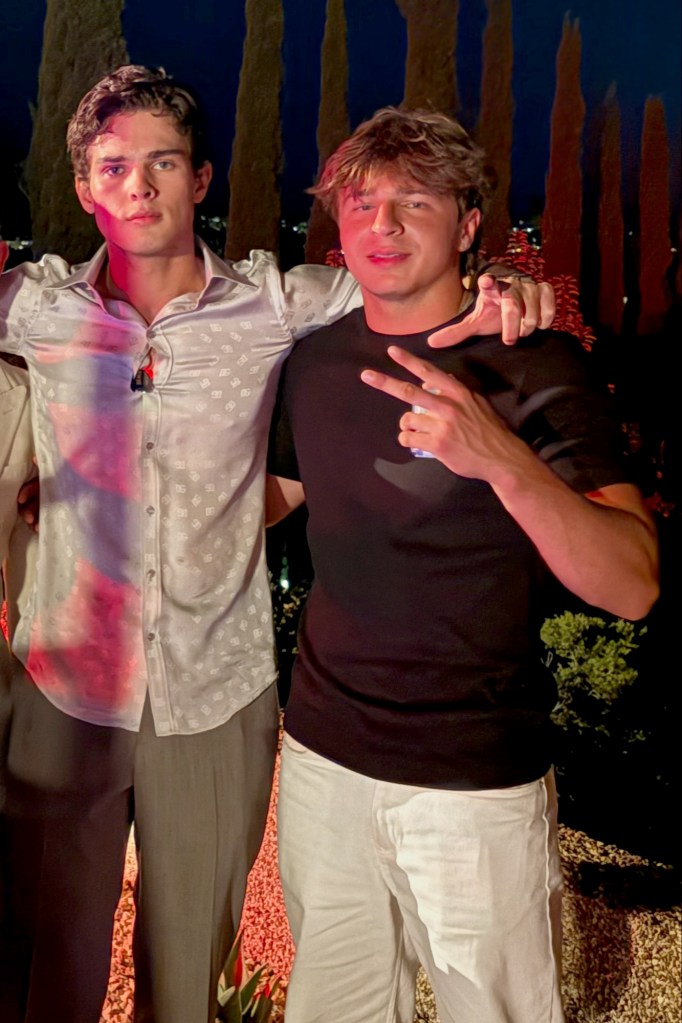
“It was a super radical decision,” Munro, who paid $7,000 to go to the camp, said. “I just thought, I’m a young kid. Money comes and goes. So might as well get the experience out.”
Munro was one of 15 young men who attended the first week of the event, which was livestreamed 24/7 on Clavicular’s channel on the streaming platform Kick starting Oct. 1. The camp billed itself as an educational retreat where aspiring male influencers could live in a mansion with a private chef while receiving instruction on grooming, style, and how to flirt with women.
Clavicular, who has drawn criticism for misogynistic language and his links to Andrew Tate, had been facing rape charges when Munro signed up. Munro said he believes Clavicular’s denial of those charges, which were dropped on Oct. 13.
The looksmaxxing movement, which emerged from incel and manosphere online forums, promotes extreme physical enhancements to boost male attractiveness. Critics have condemned it for encouraging plastic surgeries and dangerous DIY techniques, including “bonesmashing” — hitting one’s jawline with a hammer in an attempt to sharpen its appearance, a practice with no scientific support.
At the camp, Munro learned about double jaw surgery, a procedure that moves the upper and lower jaws to correct underbites but is increasingly sought for cosmetic enhancement despite its risks. He now says he wants the $40,000 surgery to alter his face.
He describes himself as a “decent-looking guy” with a good body but told the outlet he needs to “put some more focus” on his “actual aesthetic face-wise.”
Munro said his perspective on approaching women shifted after the camp.
“You go see a hot chick. Go try to hit on her, like, it doesn’t matter,” he said.
“You just got to go out, talk to people, make connections. You know, you see people you think are cool. Just go say anything. Go say hi.”
Most of his friends back home “think it’s real cool” that he attended, Munro added, and “probably every person” his age knows Clavicular’s name. He paid for the camp with money earned from years of working odd jobs.
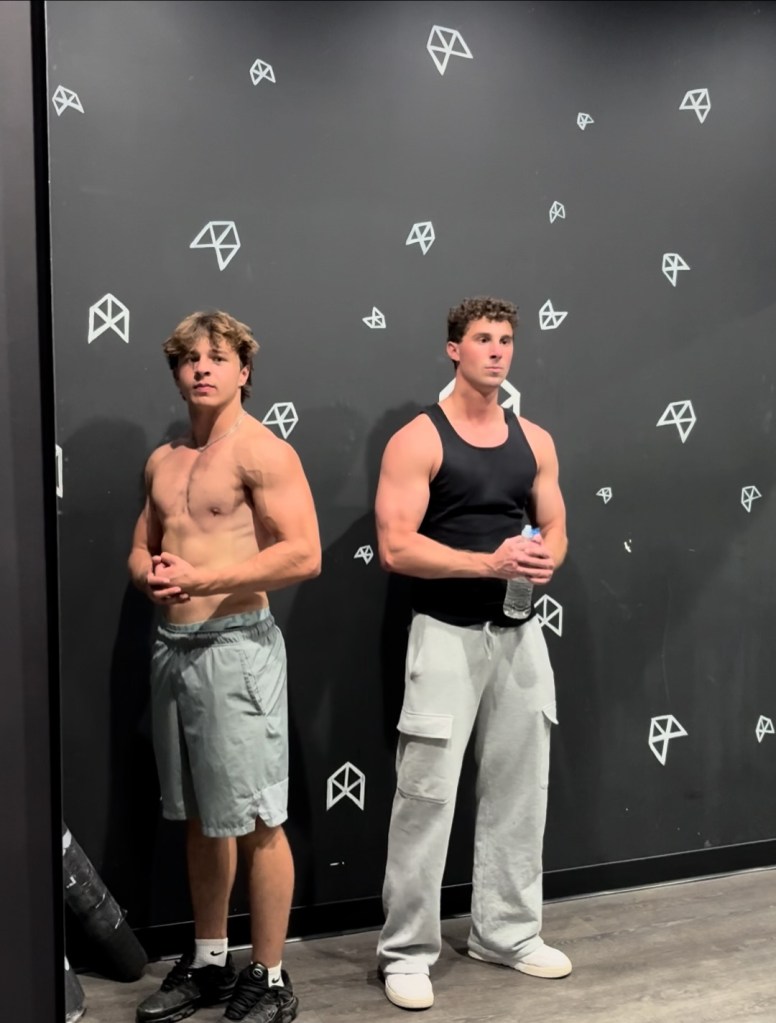
The camp represented a convergence of several internet phenomena that have drawn increasing scrutiny: the commercialization of male insecurity, the influence of controversial online figures on teenage spending habits, and the normalization of expensive cosmetic procedures among young men who previously represented a small fraction of the plastic surgery market.
Munro’s unauthorized cross-border trip and his parents’ subsequent discovery of his whereabouts illustrate how the looksmaxxing movement has moved from fringe online forums to real-world events with significant financial and physical stakes for its young participants.