

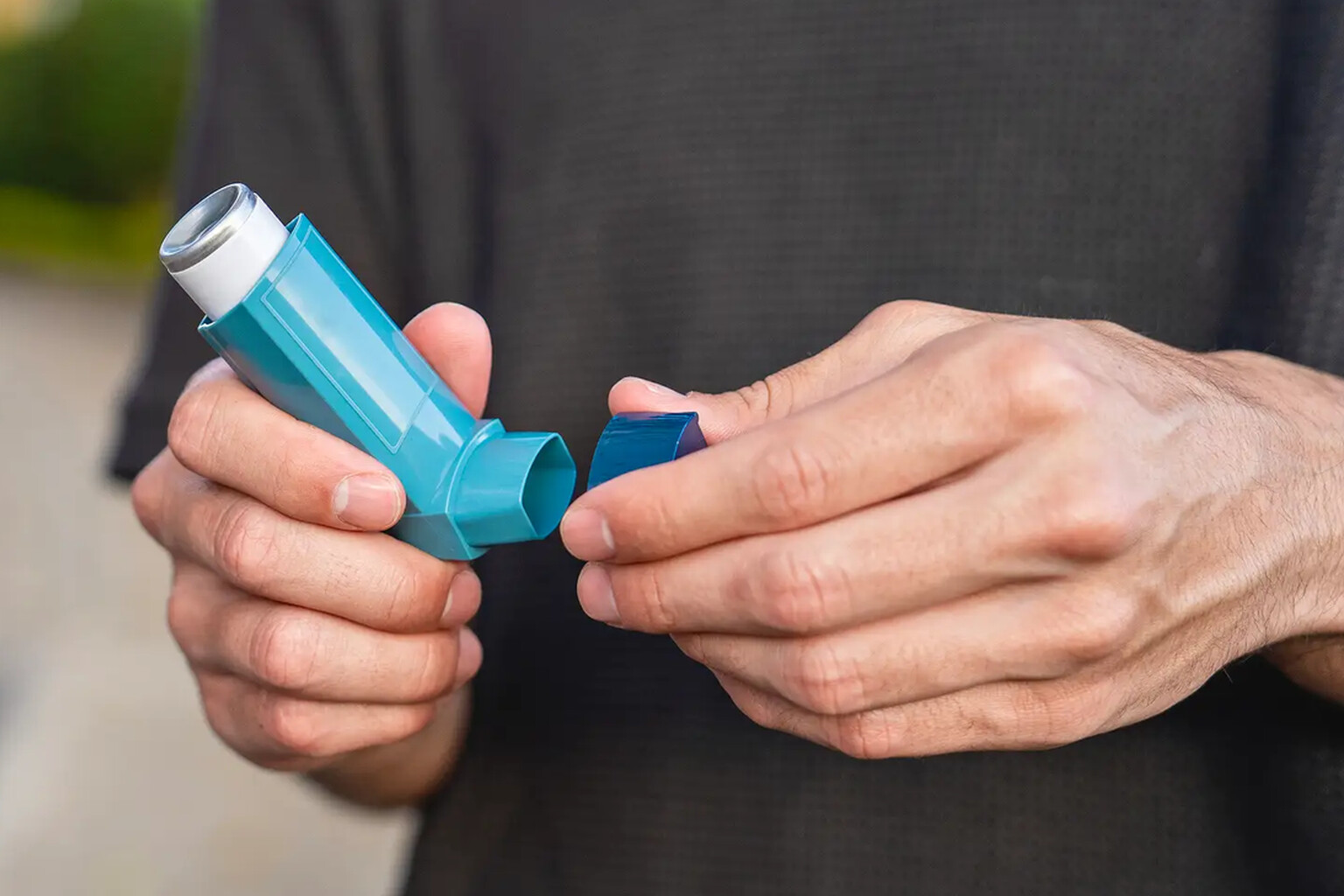
A pharmacist has issued an urgent warning that relying solely on a blue inhaler this winter is now considered a “serious red flag” for asthma patients.
Health Raj, a pharmacist and health expert, took to TikTok to explain that patients using only short-acting beta2 agonist (SABA) inhalers may not be receiving optimal treatment despite feeling temporary relief. The blue inhaler, used by approximately 19.5 million people in the US, contains salbutamol and works by quickly opening airways and relaxing muscles to combat breathing difficulties.
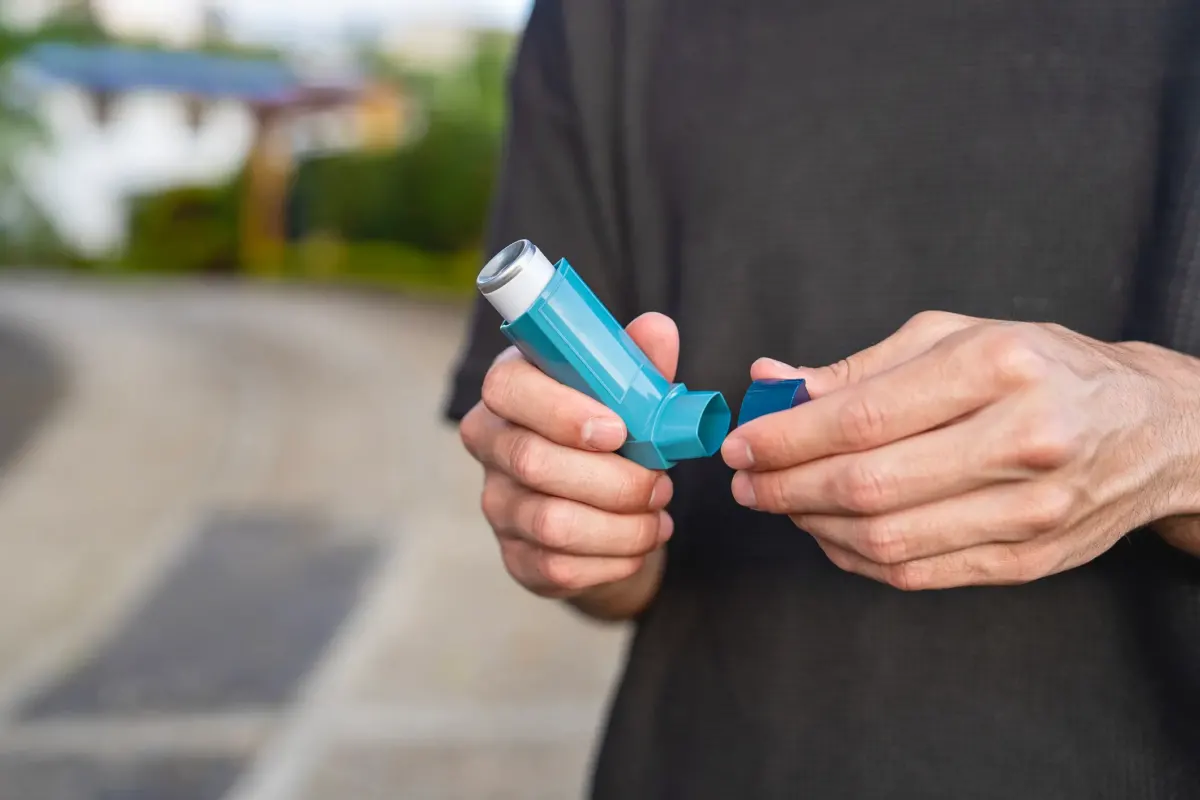
“If you’re still using your blue inhaler on its own during the winter, that’s now a red flag,” Raj said in the TikTok video. “I’ve been telling you this for ages as a pharmacist – blue inhalers like salbutamol work really fast. They open up your airwaves.”
Raj continued: “But most of you don’t ever get told this. They don’t treat the inflammation caused by your asthma, so you might feel better in the short term, but underneath, your asthma could be getting worse.”
The pharmacist pointed to updated guidance from the National Institute for Health and Care Excellence (NICE), which connects overuse of blue inhalers with worse outcomes for patients. “New NICE guidance links overuse with more hospital admissions, more attacks, and higher risk of death,” Raj added. “If you need it more regularly, that’s not normal asthma. That’s full control.”
Raj urged viewers to consult their doctors about combination inhalers that both relieve symptoms and treat underlying inflammation. “Whatever you do, don’t throw your inhaler away, but don’t rely on it either,” the pharmacist cautioned.
Dr. Amina Al-Yassin, a GP at Brent Integrated Care Partnership, echoed these concerns in comments to the Mirror. The physician warned that while blue inhalers provide brief relief, they may ultimately worsen asthma over time when used in isolation.
“They make people feel better, but only briefly. We now know that over time, they are likely to make asthma worse. Seeing a blue inhaler used alone is now a dangerous sign to me,” Al-Yassin stated.
The warnings come as respiratory conditions flare during colder months, when cold air and seasonal illnesses can trigger breathing difficulties. Medical professionals emphasize that proper asthma management requires addressing inflammation, not just acute symptoms.

Patients with long-term asthma or similar conditions are being advised to speak with medical professionals about the most appropriate treatment options for their specific needs. The shift in medical guidance reflects growing understanding that quick-relief medications alone leave the underlying disease unchecked.