

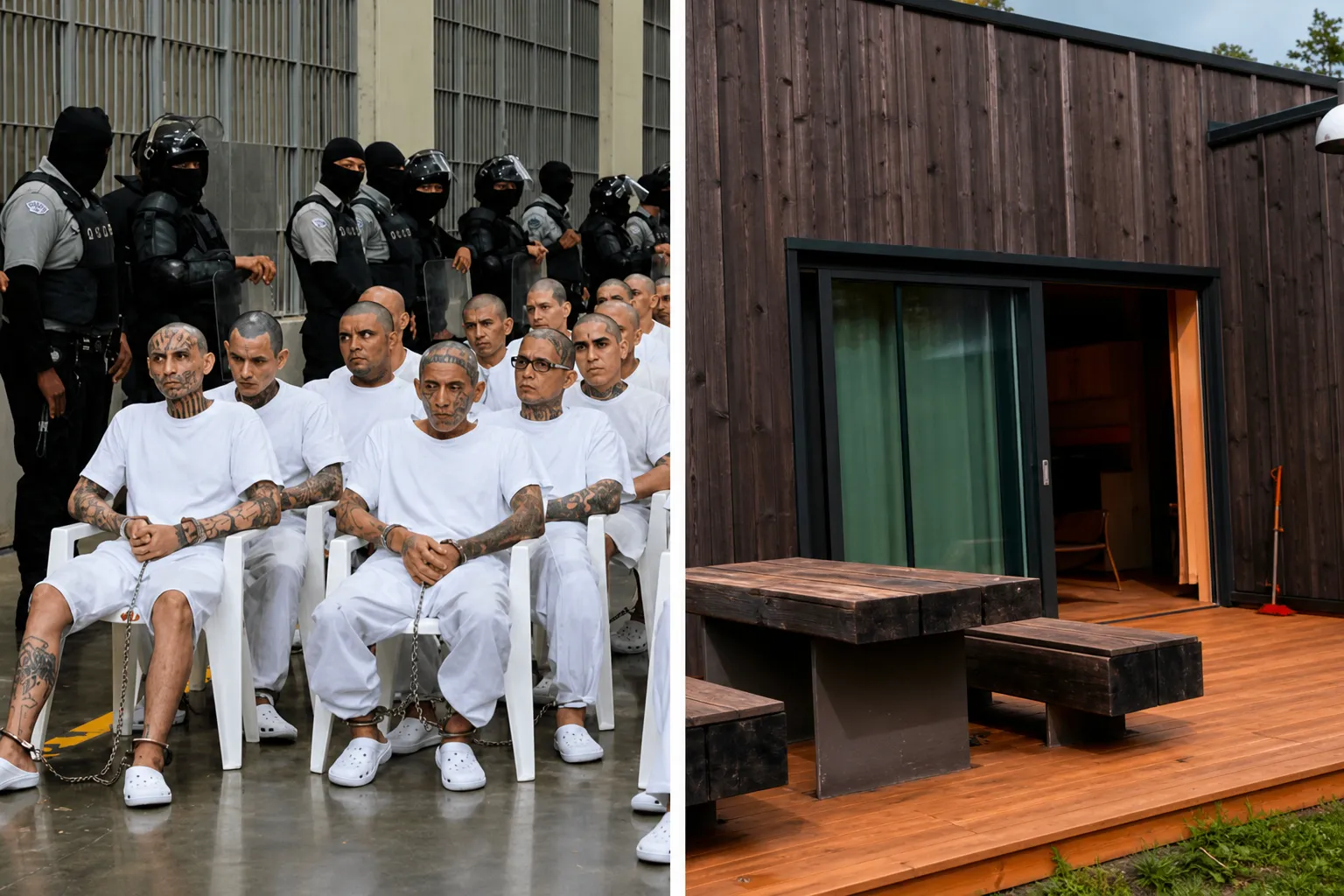
A viral photo comparison is highlighting the extreme divide between two prisons that represent opposite philosophies of incarceration.
El Salvador’s Terrorism Confinement Center, known as Cecot, and Norway’s Halden Prison sit at polar ends of how nations punish and potentially rehabilitate offenders. Cecot, completed in under a year before the first prisoners arrived in February 2023, was built to hold alleged gang members under conditions human rights groups have called brutal and lawless. Halden, opened in 2010 roughly 90 minutes from Oslo, was designed to resemble a university campus and has been repeatedly cited as among the most humane correctional facilities in the world.
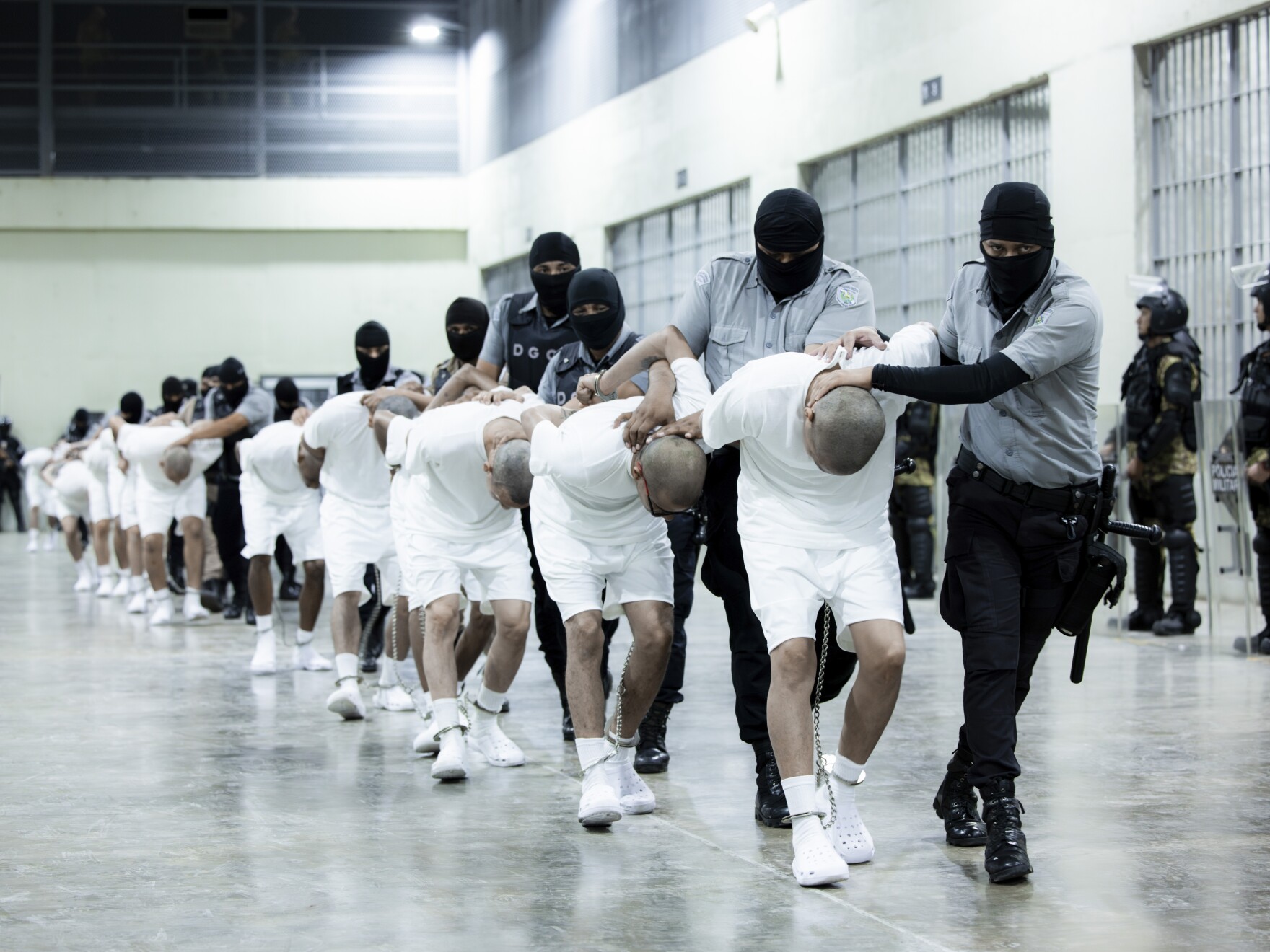
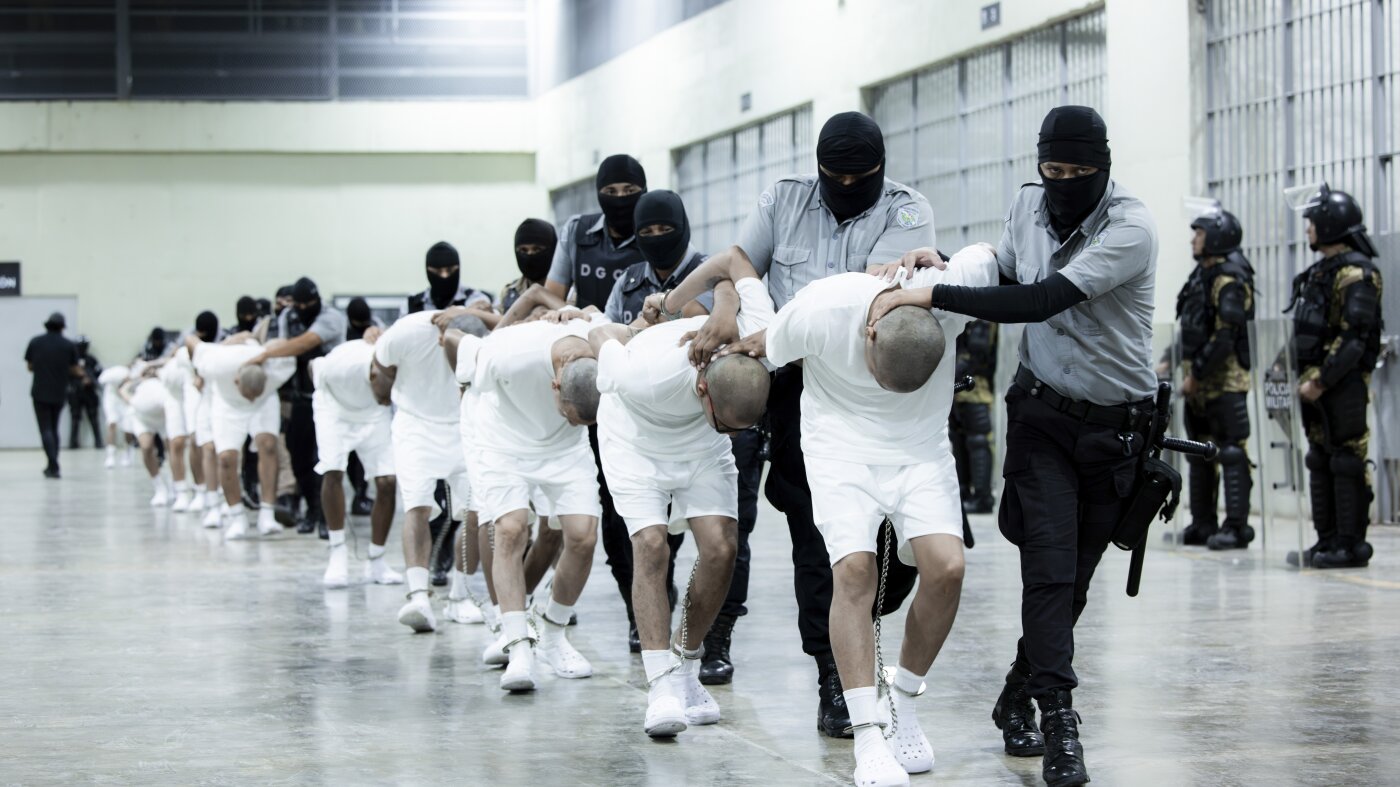
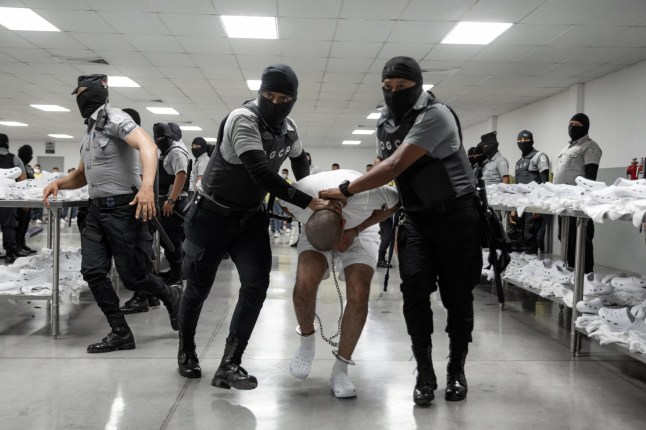
Cecot sits just outside Tecoluca, a rural district south of San Salvador, and has capacity for 40,000 inmates, primarily alleged members of the MS-13 and Barrio 18 gangs. President Nayib Bukele has described it as the largest prison in the Americas. The facility also holds Venezuelan migrants deported from the US under a deal with the Trump administration, with the US paying $6 million for one year of services.
Speaking to the Guardian, Noah Bullock, executive director of human rights organization Cristosal, said the facility is meant for “permanent exile, permanent punishment.”
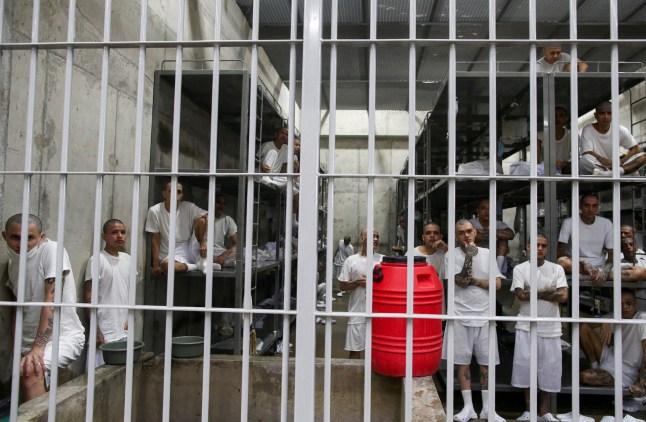
Cells reportedly hold up to 80 men at a time, sleeping on metal bunks without mattresses or sheets, sharing a single toilet and water basin. Inmates are allowed just 30 minutes outside their cells each day for exercise, never see natural sunlight, and receive no visitors. The lights are on permanently, except inside the solitary confinement units.
Meals are basic and repetitive, typically consisting of rice, beans, tortillas, pasta, or hard-boiled eggs, and inmates must eat using their hands because utensils are prohibited to prevent them from being weaponized.
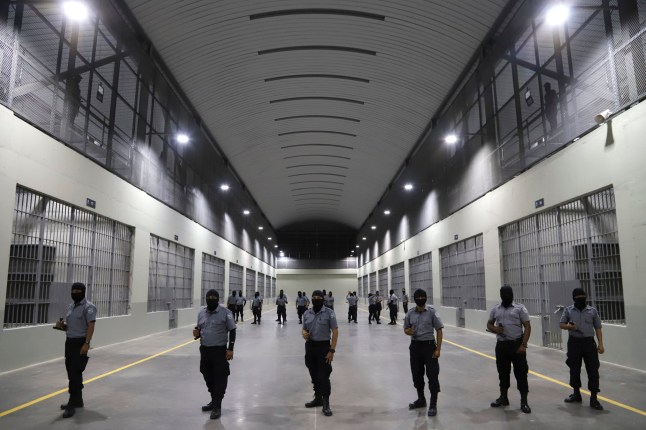
The facility is heavily militarized, watched over by 19 concrete watchtowers, multiple electrified fences, and reinforced concrete walls. Armed guards patrol the interior corridors constantly.
Prison officials operate under a strict philosophy that high-ranking gang figures designated as terrorists will never leave the facility, creating an austere psychological atmosphere that former inmates and human rights groups have described as extreme and unforgiving.
Human Rights Watch’s Juan Pappier compared the facility to “Guantánamo on steroids,” saying that prisoners exist in “a space essentially ungoverned by law.”
Almost nothing is known about conditions inside, and only one prisoner is understood to have left Cecot alive — Kilmar Ábrego García, who was wrongly deported from the US before being transferred elsewhere.
At the other end of the scale sits Halden Prison, where inmates practice yoga on the lawn, cook in fully equipped kitchenettes, and can even spend overnight visits with their children in on-site family chalets.
Every inmate at Halden has an individual cell complete with an en-suite bathroom, a fridge, a desk and a flat-screen television, with many rooms even having a view of a forest. The prison was built at a cost of $188 million and is decorated with original artwork by Norwegian artist Dolk, with bright murals throughout the hallways.
Inmates are permitted to leave their cells at 7:30am, working in on-site workshops as mechanics, carpenters or graphic designers, and aren’t locked back in until 8:30 pm.
In an interview, prison governor Are Hoidal explained the philosophy behind the facility’s approach. “Of course we make sure an inmate serves his sentence but we also help that person become a better person,” he said. “We are role models, coaches and mentors.”
He continued, “In Norway, all will be released — there are no life sentences… So we are releasing your neighbour. If we treat inmates like animals in prison, then we will release animals on to your street.”
Officers train for two to three years, don’t carry weapons, and are encouraged to build relationships with inmates through a model Hoidal calls “dynamic security.” One officer explained the approach simply: “My first defence is my voice and our social connection with the inmates. We defuse situations before they happen.”
Under a scheme known as “Daddy In Prison,” fathers who pass safeguarding checks can spend nights with their children in a private chalet inside the grounds.
But compassion comes at a cost; reports said that each prison place costs around $133,000 dollars a year to keep an inmate. The Federal Bureau of Prisons reports an average annual cost of incarceration in the US roughly equates to about $44,090 per inmate.
The approach appears to work. Reoffending in Norway sits at around 20 percent after two years. In the United States, roughly 66 percent to 68 percent of released state prisoners are rearrested within three years, and about 77 percent to 82 percent are rearrested over a five-to-ten-year period, according to the Bureau of Justice Statistics.
Social media users circulated side-by-side images of Cecot’s concrete cells packed with dozens of men on bare metal frames against Halden’s individual rooms with forest views and modern furnishings. The contrast has reignited global debate about whether prisons should prioritize punishment or rehabilitation, though neither country’s officials have issued new statements in response to the latest wave of online attention.