

Platonic co-parenting apps are seeing explosive growth as unconventional family arrangements go mainstream.
Modamily, a leading platform matching non-romantic parenting partners, surged from roughly 100,000 users in January to approximately 150,000 by August — adding about 50,000 new members in eight months, founder Ivan Fatovic told The Post. That marks a dramatic climb from the 30,000 users the platform counted in 2020, with roughly 2,000 newcomers joining each month currently.
“We started 15 years ago when it was a much weirder. I used to get a lot of looks when I said what I did,” Fatovic said in the interview. “Now it’s a lot more normal. The trend has been only increasing.”

CoParents.com, another major platform in the space, has seen its user base jump 25 percent since January, reaching about 160,000 members worldwide. The twin surges suggest the co-parenting model is breaking through from fringe curiosity to recognized family structure.
The arrangements themselves vary widely. Some pair friends who want children without romantic complications. Others bring together people scarred by their own parents’ divorces and determined to spare their kids similar trauma. Career-focused professionals too busy for dating but eager for parenthood, single individuals priced out of solo child-rearing, and those racing biological clocks without time to find traditional partners all populate the apps.
What unites them is deliberate separation of love and sex from parenting. “People still want a partner to have children with, and they want a partner that helps with the costs and the time, so they can also have time for their individual pursuits — but also raise a child in a positive, loving environment,” Fatovic explained.
Before platforms like Modamily existed, such matches typically formed through existing social networks, word of mouth, or even newspaper classifieds. The internet has streamlined what was always an underground practice.
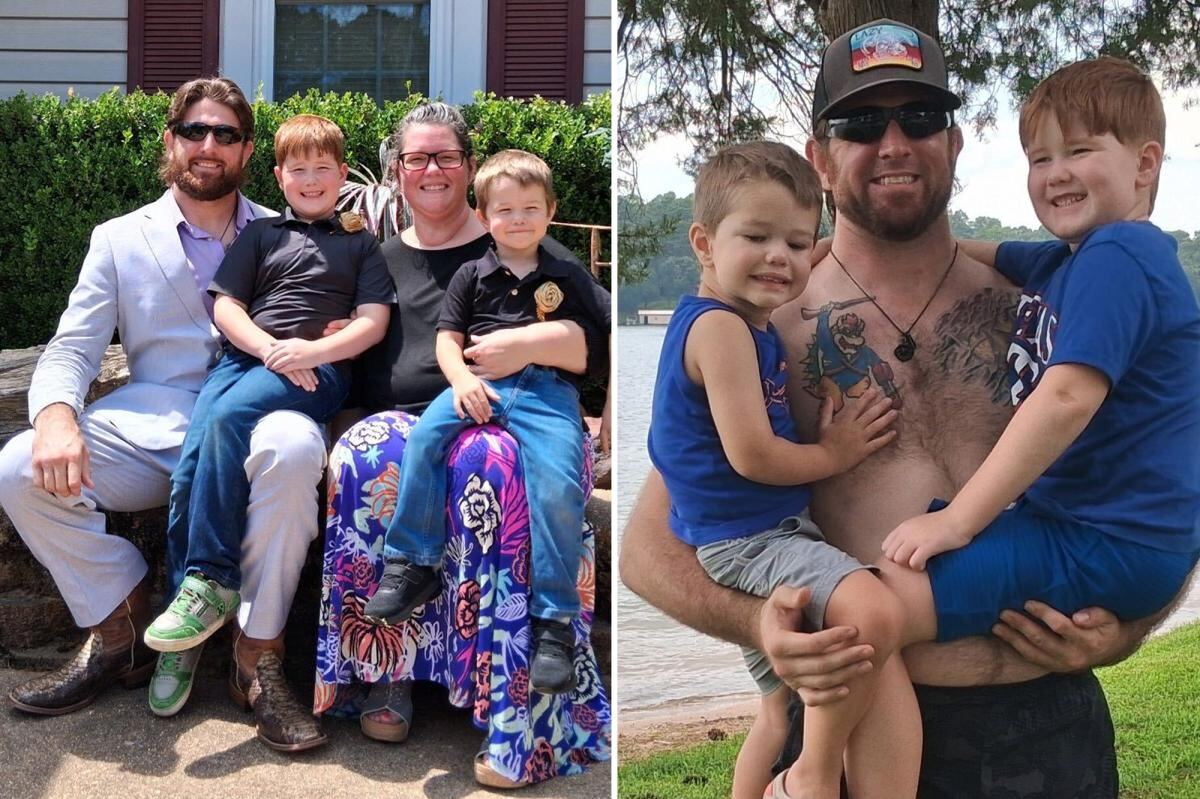
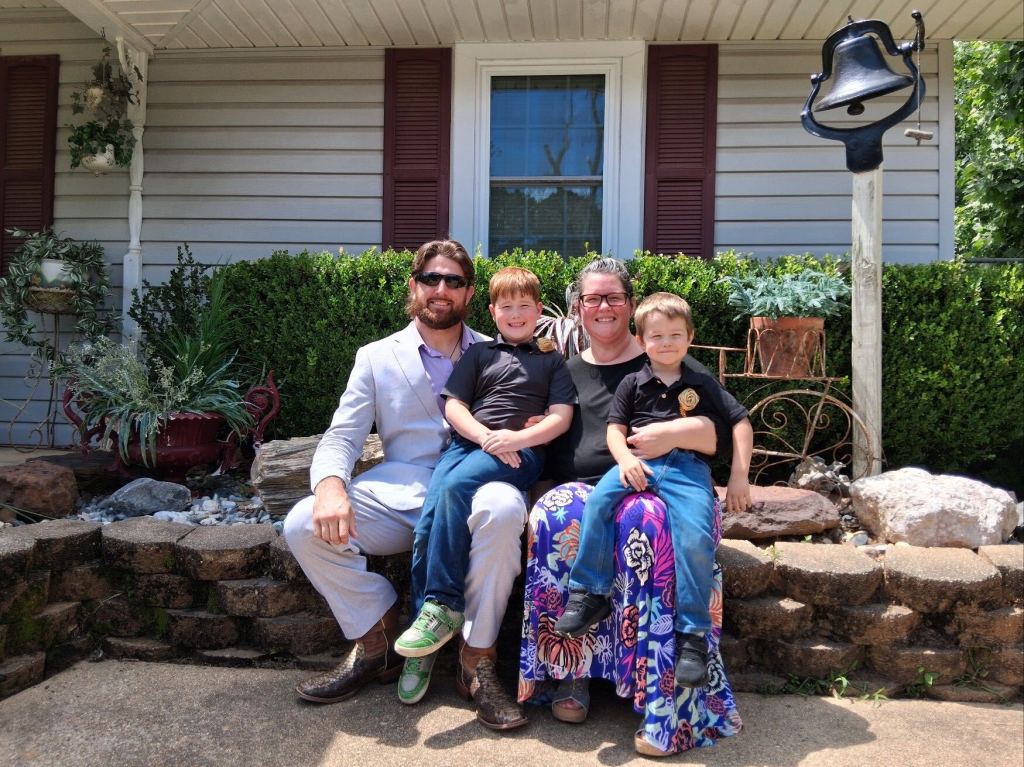
Texas co-parents Zachary Sahuque, 35, and Amanda Lohse, 47, found each other through Modamily in 2019. The pair now share two children with a third on the way — all conceived through IVF using her eggs and his sperm — while maintaining separate houses on a 50-acre ranch and zero romantic involvement.
“She’s one of my best friends; she is like family,” Sahuque said. “We’re not romantic or sexual but she’s a bonus family member that I’ve got my kids by.”

Their path to partnership was methodical rather than magical. Sahuque had grown up in a troubled household; Lohse had ended a long-term relationship as she turned 40. Their first exchanges functioned as rigorous screenings rather than flirtations.
“I basically tried to find every controversial fault or crack that could happen in a marriage or in a home, and I pressure tested each one of them,” Sahuque said, describing a negotiated set of “terms and conditions” each had to satisfy. “I kind of took the romantic relationship and turned it on its head.”
“In a romantic relationship, the first date’s like a job interview. You know, you’re wearing your Sunday best, you’re the best possible version they’re ever gonna see of you,” he continued. “But I started by sharing my biggest deal breakers and my biggest red flags. I put them on the table face up first and I’m like, Hey, is this all stuff you can deal with?”
They could. Their current setup places the children in matching bedrooms across two homes, with Lohse handling day-to-day care while Sahuque travels for work and taking over when he returns. “It’s nothing for us to meet up and hang out and do things, all of us together as a family, and it’s nothing to them to kind of have their own little life till I come home,” he said.
Sahuque has joked that Lohse amounts to “the best ex-wife a man could ask for.” He sees their arrangement as more honest than conventional paths that end in similar practical separations. “There’s so many people that have an ex-wife or an ex-husband or a one-night stand to get their kids by,” he observed. “But I just more so sought it out with intentionality.”
The visibility of platforms like Modamily may outpace actual growth in the practice itself, Sahuque suggested. “I just think it is now becoming more visible,” he said. “I think it’s the intentionality of it more than the actual matter of fact of it. Because divorces happen every day, and people get knocked up every day.”
“It’s the idea of doing it on purpose that’s novel and new to people,” he added.
Sahuque and Lohse’s unconventional family structure drew attention as a concrete example of how platonic co-parenting functions in daily life — separate homes, shared children, negotiated responsibilities, and friendship without romance. Their story illustrated a model that platforms are now making replicable for thousands seeking similar arrangements.
Fatovic’s platform continues scaling to meet that demand, with monthly sign-ups holding steady.