

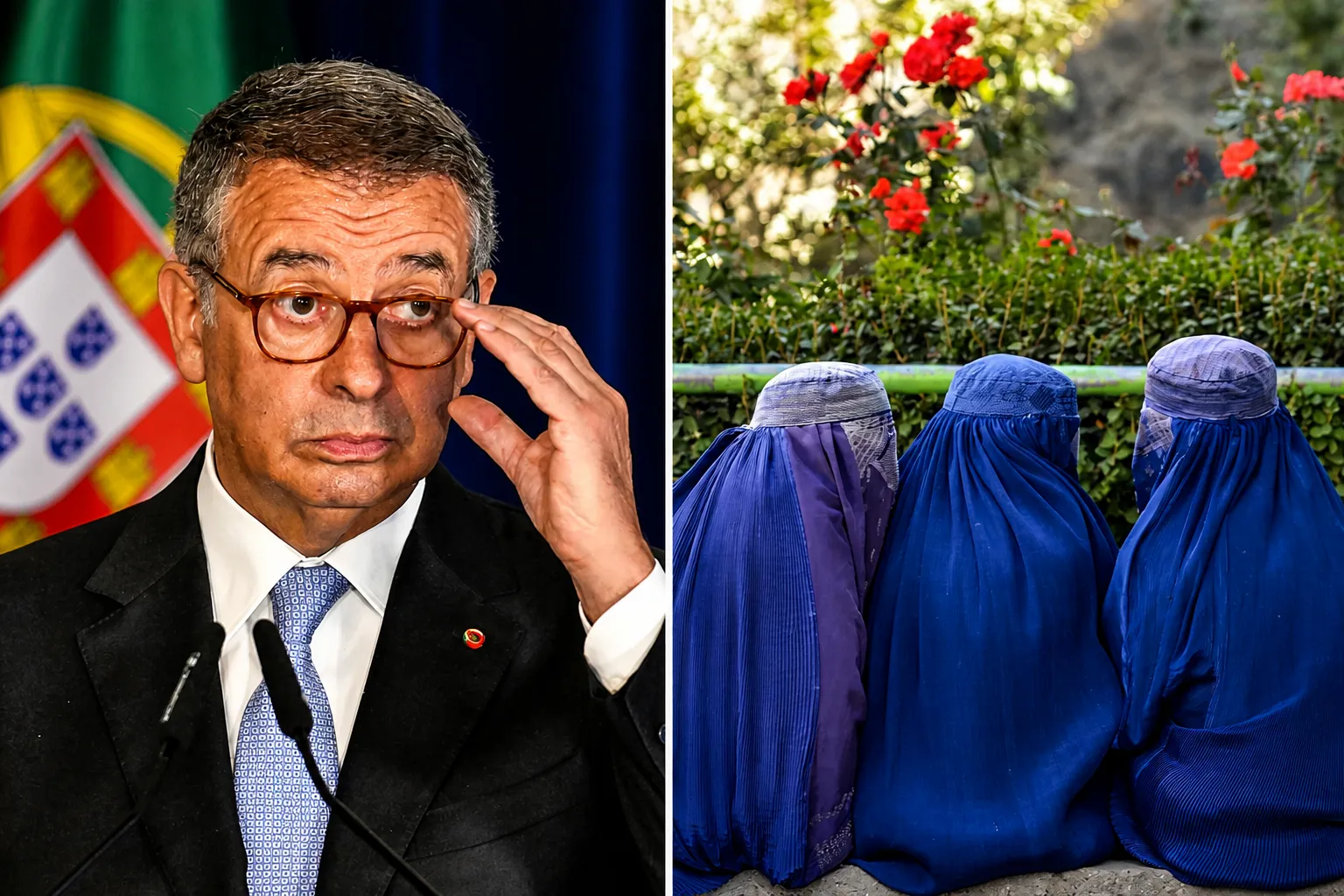
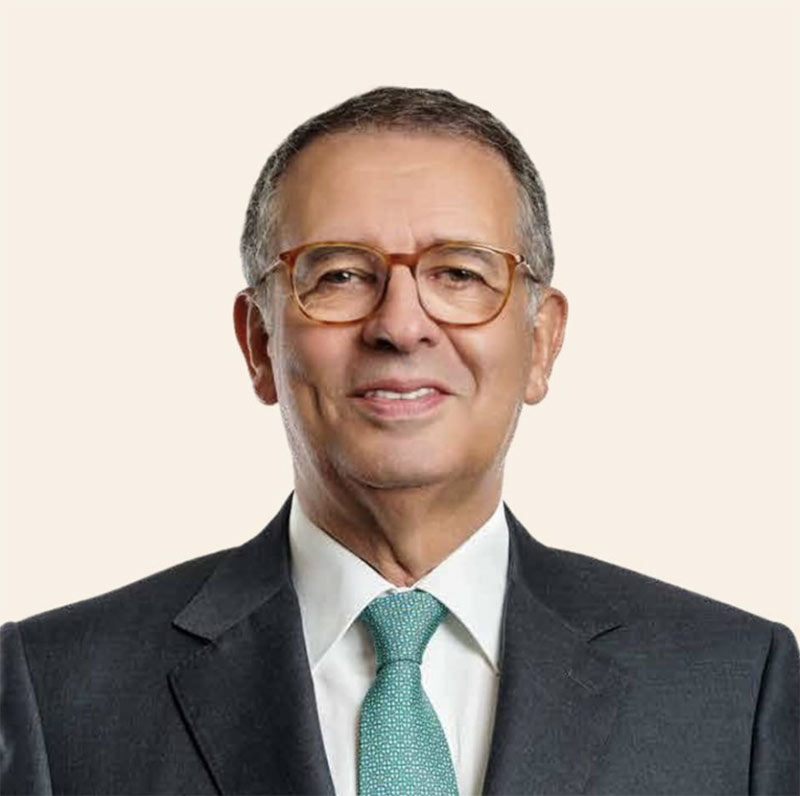
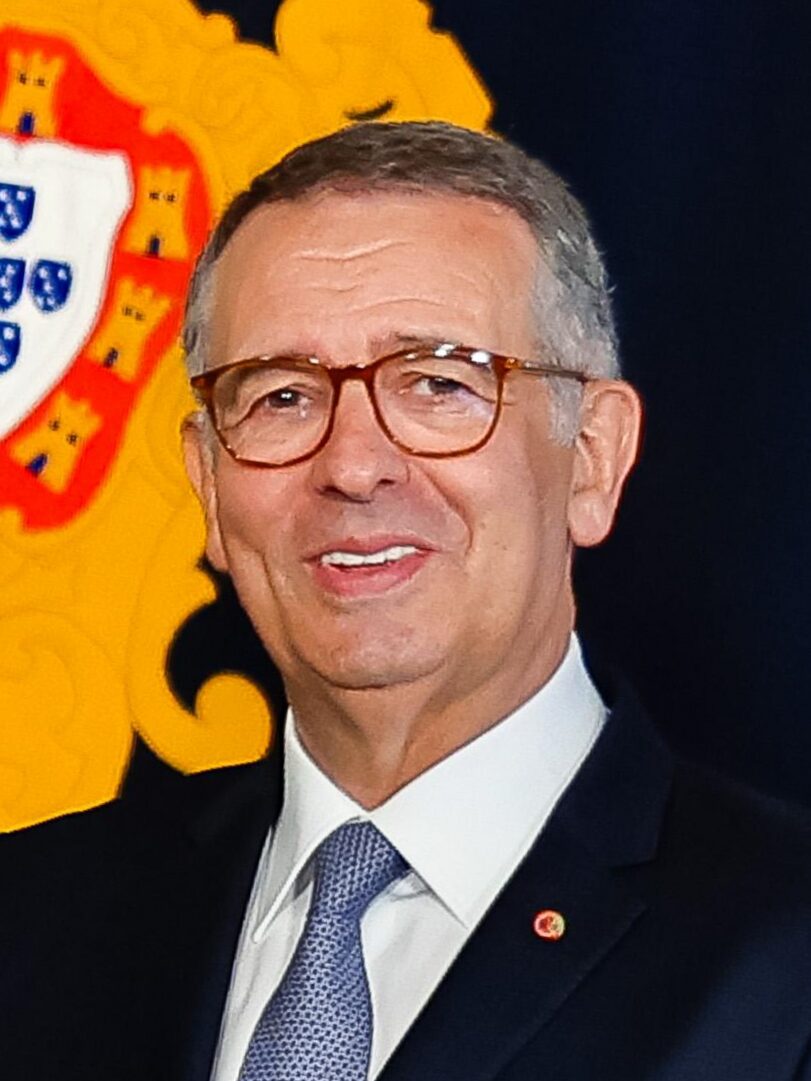
Portuguese President António José Seguro has enacted a law banning most face coverings in public spaces.
Seguro, 63, signed the measure last month after it cleared parliament in July, with fines for violators running from 150 euros to 3,000 euros — roughly $175 to $3,500. The legislation, dubbed the “burqa law” by local media, targets garments that conceal the face but carries broad exemptions for health, professional, artistic, weather-related, and certain venue-specific purposes.
The president’s office released a Portuguese-language statement defending the decision. “For the president of the republic, the uncovered face constitutes a structuring dimension of social trust, a characteristic of Portuguese society,” the press release stated.
“Social integration, non-discrimination based on gender and the security resulting from similar decisions by the European Court of Human Rights underpin this decision. The president of the republic shares this court’s conviction that the face is central to human identity and communication, serving as a minimum element for mutual recognition among fellow citizens.”
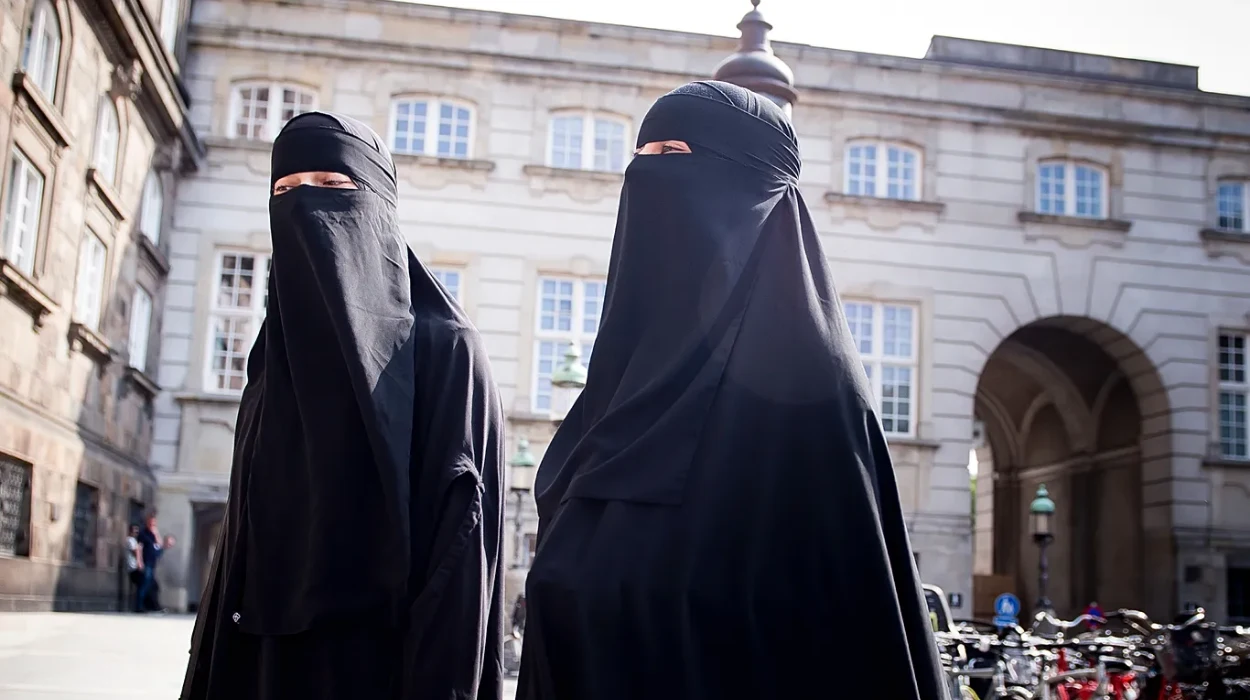
The release continued with a pointed reference to gender parity. “And to admit that women, and only women, must hide their entire faces implies an asymmetry incompatible with the values of parity and equal dignity between men and women, values that shape European democracies,” it added.
The law specifically prohibits sporting coverings meant to hide a person’s face or block identification in public areas. It also bans requiring someone to cloak their face due to gender, religion, age or origin. Exemptions cover locations including places of worship, diplomatic missions, and airplanes, alongside health and professional contexts.
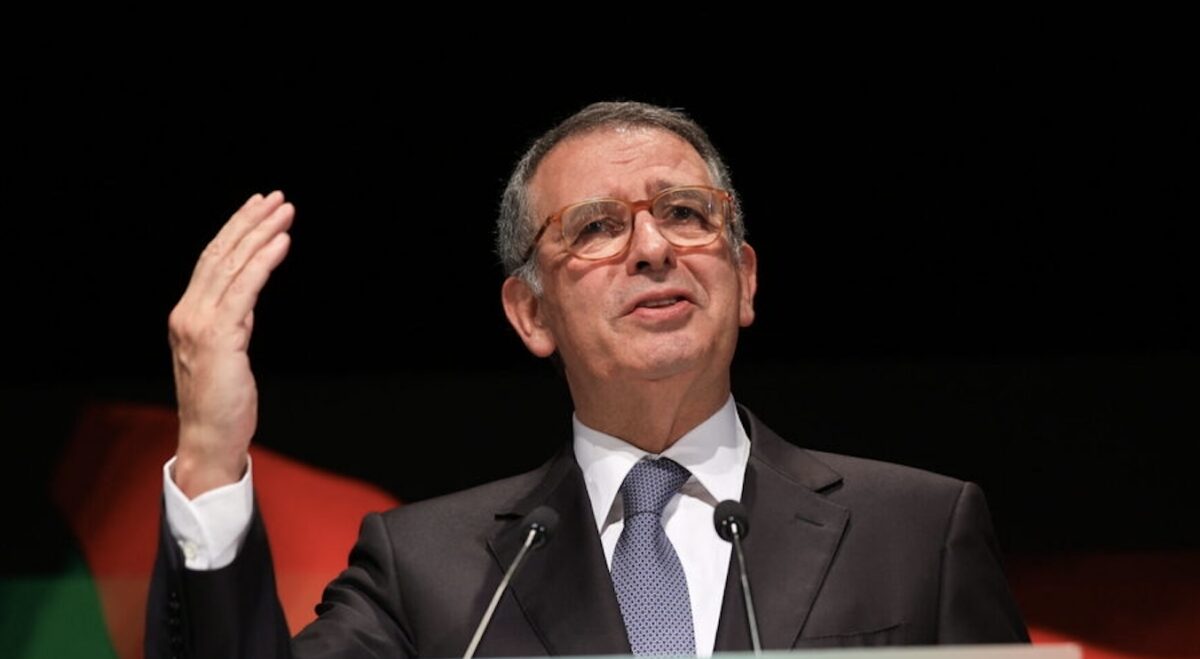
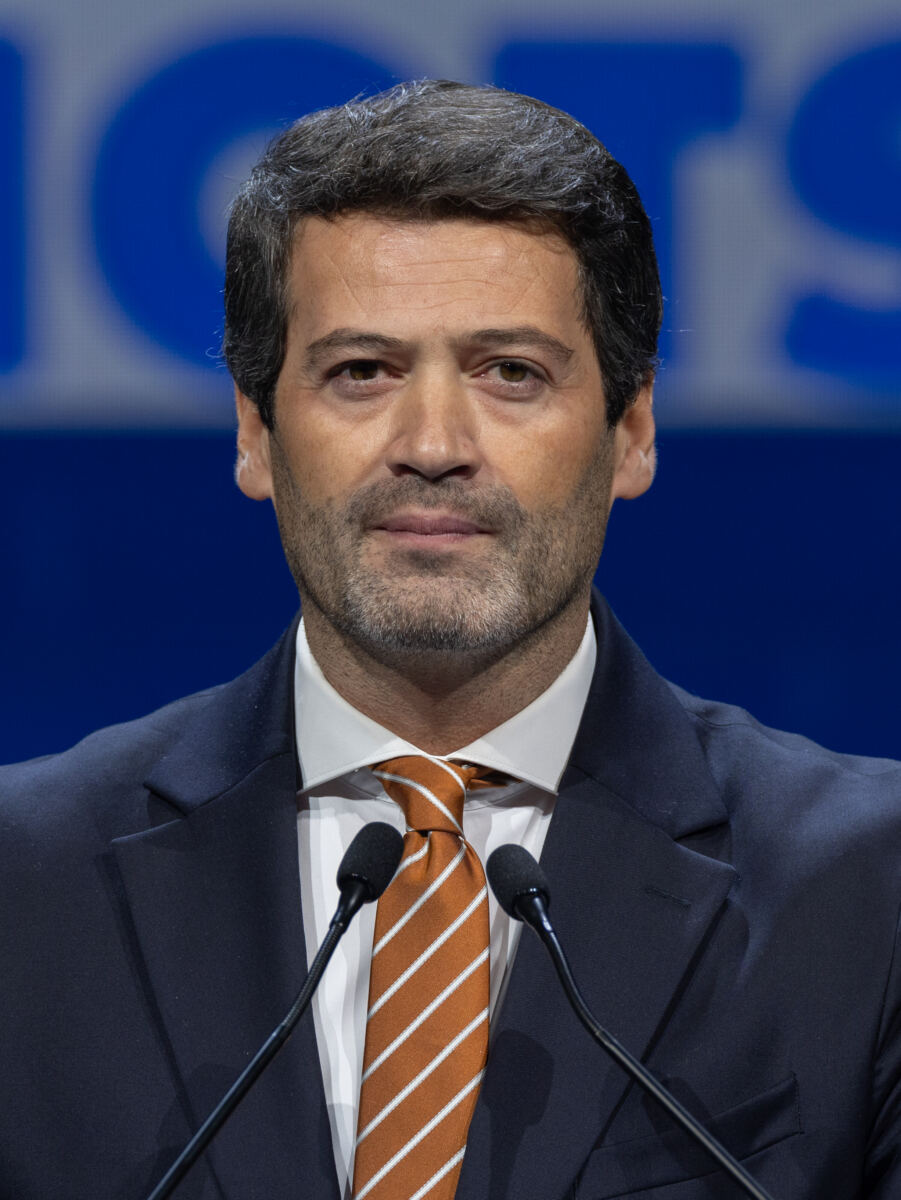
The path to enactment stretched across nearly a year of parliamentary maneuvering. The far-right Chega party first introduced the bill in October 2025, with leader André Ventura framing it as protection for women. “We today protect female members of parliament, your daughters, our daughters, from having to use burqas in this country one day,” Ventura declared during parliamentary debates. He later tweeted that the bill represents “a day for democracy and safeguarding our values, our identity, and women’s rights.”
Center-right parties including the Social Democratic Party (PSD) and Liberal Initiative backed the measure, though the PSD pushed to reframe it around security rather than religion. Andreia Neto of PSD argued, “This is a debate on equality between men and women. No woman should be forced to veil her face.”
Left-leaning parties opposed the legislation. Pedro Delgado Alves, a Socialist Party lawmaker, contended that “this initiative is used solely to target foreigners, those who have a different faith.” The Socialist Party, Left Bloc, Livre, and Communist Party all voted against the final bill, while PAN MP Inês de Sousa Real abstained.
Chega’s original October 2025 proposal included prison sentences of up to three years for forcing someone to wear a face veil, with enhanced penalties for minor victims. The final version that reached Seguro’s desk softened this to fines ranging from 150 to 750 euros for negligence and 400 to 3,000 euros for intentional violations. Chega MPs marked the July parliamentary approval with a prolonged standing ovation.
Portugal now joins a growing list of European nations with face-covering restrictions, including France, Austria, Belgium, and the Netherlands. The practical impact may be limited given Portugal’s relatively small Muslim population, but the symbolic weight has drawn significant attention. Human rights organizations have criticized the ban, with the Human Rights Research Center noting concerns about targeting religious minorities.
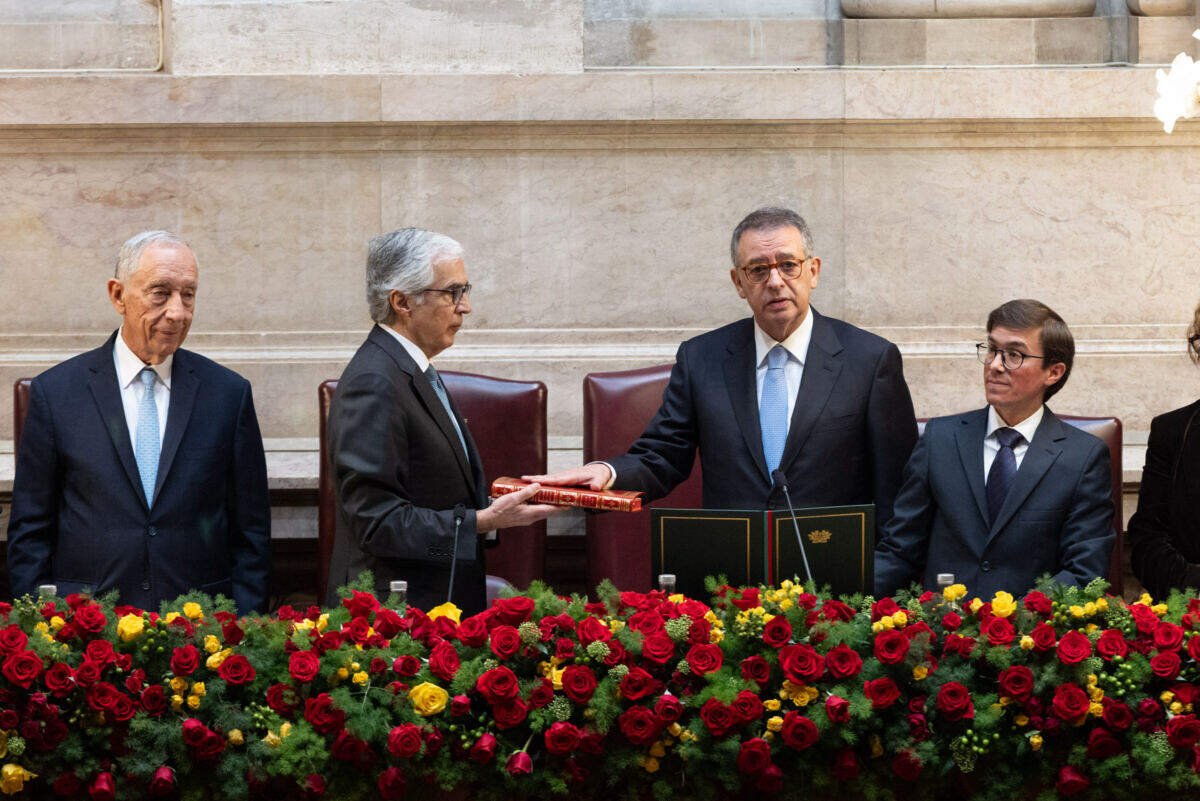
Seguro took office on March 9, after winning a runoff election against Chega’s Ventura with 66.2% of the vote. The former Socialist Party secretary-general, who spent a decade away from frontline politics before his presidential bid, had pledged in his inaugural address to be “a president who is close to the people, who listens to and understands their concerns.”
The law took effect following Seguro’s signature, with enforcement mechanisms now in place across Portuguese public spaces.