

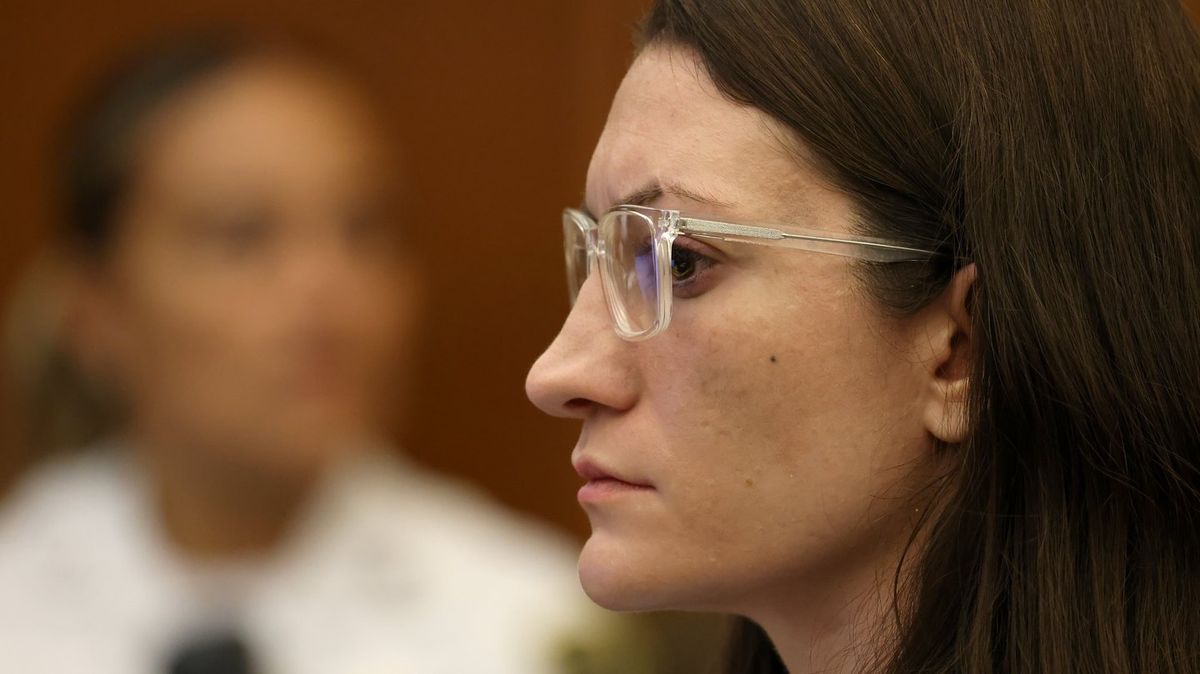
What doctors understood about Lindsay Clancy’s mental health in the weeks before her three children were killed is now a major focus of the ongoing murder trial.
Jurors heard Friday from two psychiatrists who treated Clancy before the January 2023 deaths, and both said they did not see evidence of psychosis during the time they cared for her.
That testimony matters because the defense maintains Clancy was suffering from postpartum psychosis, along with severe mental illness, when prosecutors say she strangled her children.
Clancy, 35, has pleaded not guilty to three counts of murder in connection with the deaths of her daughter Cora, 5, her son Dawson, 3, and infant son Callan.
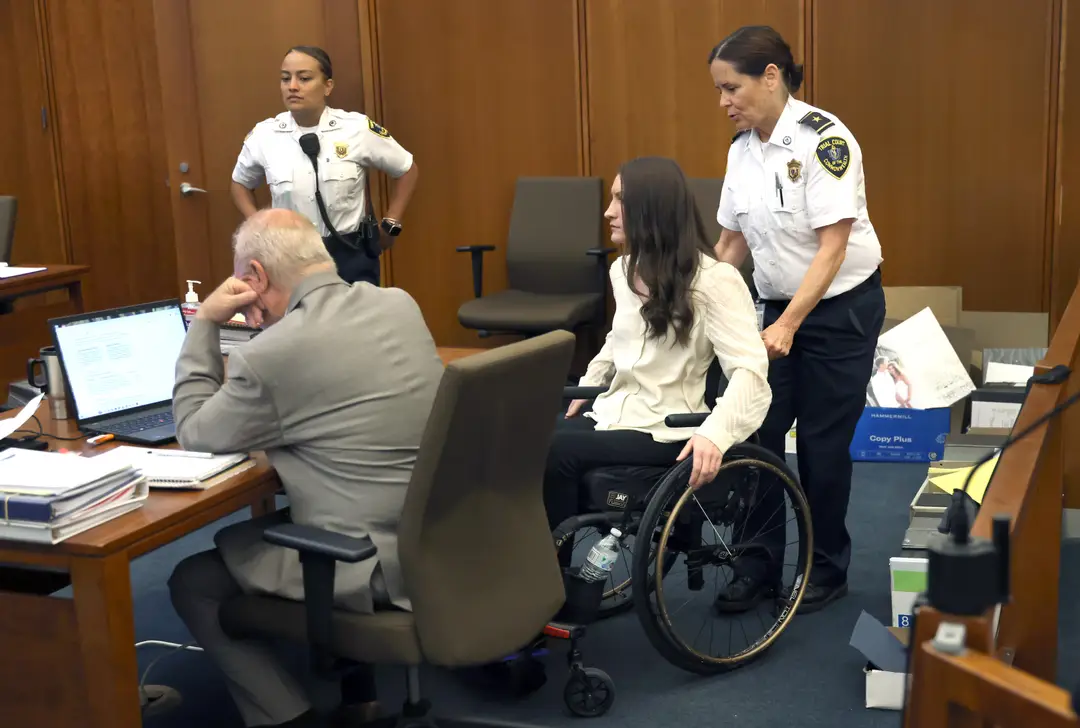
One of those doctors, psychiatrist Alia Goodheart, treated Clancy during a short inpatient stay at McLean Hospital in January 2023. Clancy had voluntarily checked herself in early on New Year’s Day 2023 and remained for nearly five days.
Asked about her evaluation of Clancy at that time, Goodheart said she was not worried Clancy posed a threat either to herself or to others.
Her evidence also described how Clancy discussed suicidal thoughts before the deaths of the children.
Goodheart told the court that Clancy said her family, including her children and her mother, was one reason she did not want to harm herself.
She described Clancy as someone thinking about the future and deeply committed to her children. Goodheart also said Clancy had support from relatives and had follow-up psychiatric treatment arranged after leaving the facility.
When Clancy checked into McLean Hospital, she reported feeling “numb” and expressed concerns about depending on an antipsychotic medication to sleep. Goodheart diagnosed her with insomnia with a mental health condition and tapered down the medication. Clancy then reported she could sleep, was eager to go home in time for a long-planned belated birthday party for her daughter Cora, and booked herself follow-up outpatient care. The hospital discharged her on January 5 with prescriptions for an anti-anxiety drug and a sleep aid.
Still, Goodheart acknowledged an important limitation during cross-examination: she had never previously treated a patient with postpartum psychosis.
The CDC say the condition is considered rare, affecting about 1 to 2 in every 1,000 women after childbirth (0.1% to 0.2%). It can involve serious psychiatric symptoms including hallucinations and delusions. However, research shows that roughly half of women who develop postpartum psychosis have no prior psychiatric history, making the condition difficult to detect in advance.
Goodheart further testified that extreme sleep deprivation can help trigger a manic episode. Sleep problems were among the reasons Clancy sought inpatient care, and Goodheart said Clancy described herself as feeling ‘numb’.
The jury also heard from psychiatrist Jennifer Tufts, who started treating Clancy earlier, in September 2022.
Tufts said Clancy first came to her for anxiety treatment and later spoke about side effects she believed were connected to medication she had been taking.
Over 14 telehealth sessions, Tufts said they tried to manage Clancy’s anxiety and depression while avoiding further disruption to her sleep.
According to Tufts, Clancy was hesitant about trying additional medication and understood that moving between doctors and prescriptions again and again was worsening matters rather than improving them.
Tufts testified during her hourslong appearance on Friday that throughout her appointments with Clancy, she appeared depressed and anxious. At one of their meetings in October, Clancy told Tufts she was having “intrusive thoughts” about dying but consistently denied having suicidal or homicidal thoughts. Tufts told the court that in her assessment, Clancy never showed signs of psychosis.
In her final appointment with Tufts on January 23, 2023—the day before the murders—Clancy appeared depressed, said she felt no motivation and reported bouts of heart-racing anxiety. Tufts testified that Clancy gave no indication of hearing voices or planning to kill herself or her children.
Court filings show Clancy had been prescribed more than 12 psychiatric medications before the deaths of the children.
Prosecutors have highlighted the repeated shifts in physicians and medication as they push back on the defense’s version of Clancy’s treatment history.
They have also argued that Clancy’s healthcare providers should not bear blame for the deaths.

Clancy’s legal team, led by attorney Kevin Reddington, has argued throughout the case that she was in the grip of postpartum psychosis and severe mental illness when her children died. During opening arguments, he noted that Clancy had bipolar disorder and that antidepressants prescribed after the birth of her third child may have worsened her condition.
Clancy and her former husband, Patrick Clancy, have also filed civil claims against doctors, including Tufts, alleging that after the birth of their youngest child she was overmedicated and her condition was not properly diagnosed.
Tufts and the health system connected to her have denied liability. In a court filing submitted in April, they argued that the deaths of the children could not reasonably have been foreseen.
The trial remains ongoing, and jurors have also heard from Clancy’s relatives and friends about her mental health, medication use and ongoing sleep problems in the period leading up to the deaths. The trial is expected to continue focusing heavily on testimony from dueling mental health experts about postpartum psychosis and Clancy’s mental state at the time of the killings.