

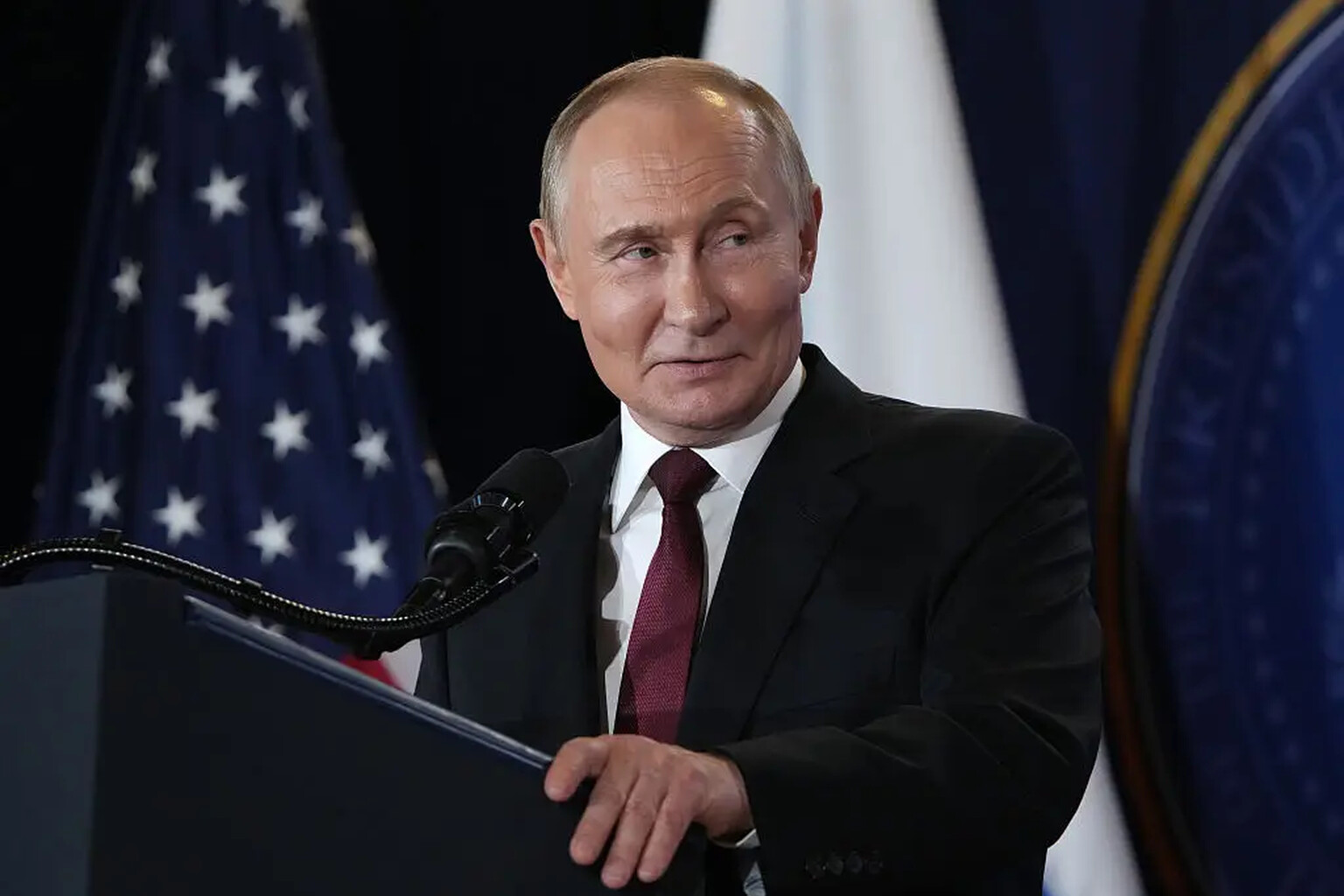
Vladimir Putin has demanded Britain strip away its nuclear protection from European allies as the price of peace in Ukraine.
The Russian president’s negotiating team, in a document dated November 10, called for the UK to stop extending its Trident deterrent to NATO states that do not possess their own nuclear weapons, according to reports. This would unravel a commitment Britain has maintained since 1962, when it formally pledged its nuclear arsenal to the collective defence of allies.
The proposal surfaced as Moscow revived broader demands for NATO forces to withdraw to 1997 positions and accept new restrictions on nuclear deterrence. The document from a person involved in negotiations, also seeks an end to Western weapons shipments to Ukraine, a block on Ukrainian NATO membership, and Russian retention of occupied territories.
In exchange for these concessions, Russia could accept Ukraine joining the European Union, provided the country remains outside the EU’s common defence arrangements. The overture carries particular weight given Russia’s arsenal of more than 4,000 nuclear warheads available for use.
The UK government has previously framed its nuclear role in stark terms. In an August statement outlining what it called a “new era of threat,” officials wrote: “The threats that the UK and our NATO Allies face are increasing in scale, complexity, and diversity. In an evolving, and deteriorating, global security environment our nuclear deterrent has never been more important.”
The same statement continued with specific reference to Moscow’s posture: “Russia has become increasingly aggressive, undermining international standards of cooperation and using irresponsible nuclear rhetoric.”
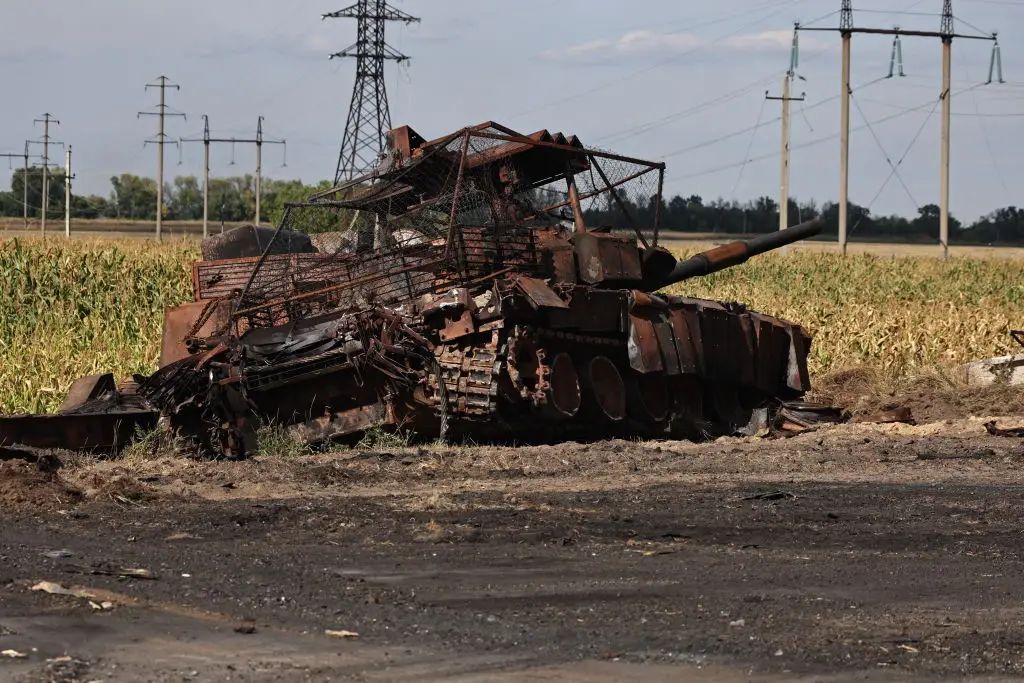
Britain’s nuclear umbrella functions as a cornerstone of NATO’s deterrence architecture. While Article 5 of the treaty declares an attack on one member an attack on all, each country determines its own response, and this does not automatically trigger nuclear retaliation. The British deterrent is designed to make adversaries hesitate before striking NATO locations in the first place.
The November document echoes demands Moscow first tabled in December 2021, mere months before launching its full-scale invasion. At that time, Russia sought sweeping security guarantees that NATO rejected, leading to the diplomatic collapse that preceded the conflict.
The current proposal would leave Ukraine and Western allies in a markedly weaker security position than before the war. NATO member states have continued emphasizing military and security assistance through the NATO-Ukraine Council rather than advancing immediate full membership while hostilities persist.
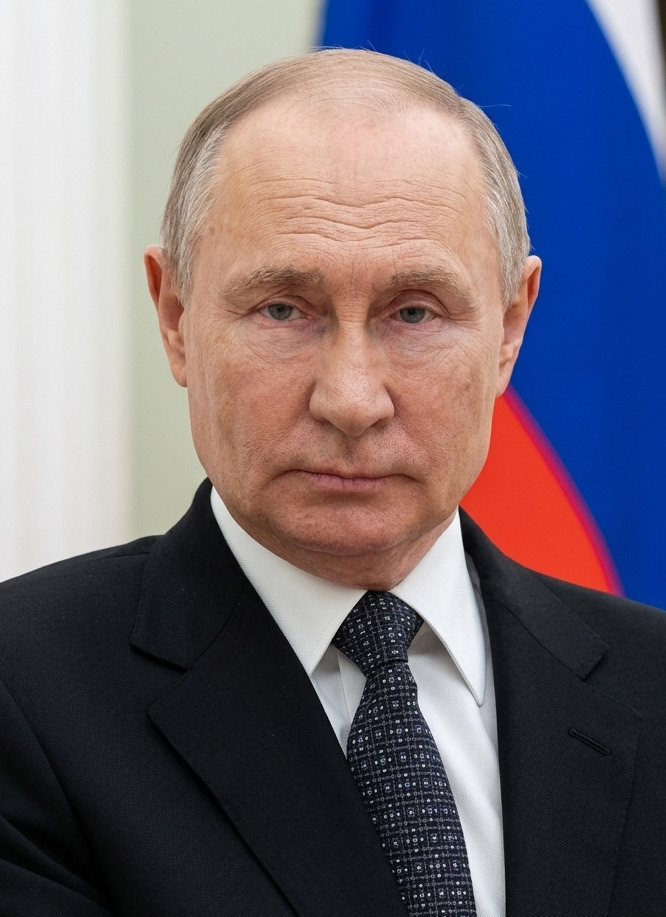
The UK statement from August elaborated on Russian capabilities: “Russia currently has over 4,000 nuclear warheads available for use. It can deliver nuclear weapons to long ranges from its strategic ‘nuclear triad’, and to shorter ranges from a range of land, sea and air-based platforms.”
The document added: “Other nuclear-armed states continue to modernise, increase, and diversify their arsenals. They are investing heavily in the development of new nuclear technologies and capabilities.”
Britain remains one of only three NATO nuclear powers, alongside the United States and France. The Russian demand targets this status directly, seeking to remove the Trident ‘umbrella’ from non-nuclear NATO states, a term describing how British weapons extend protection to allies without their own arsenals.
The proposal forms part of a wider Russian negotiating position that includes pulling NATO forces back from Eastern Europe and the Baltic states, and committing to no NATO troop deployments in Ukraine before any ceasefire takes effect.