

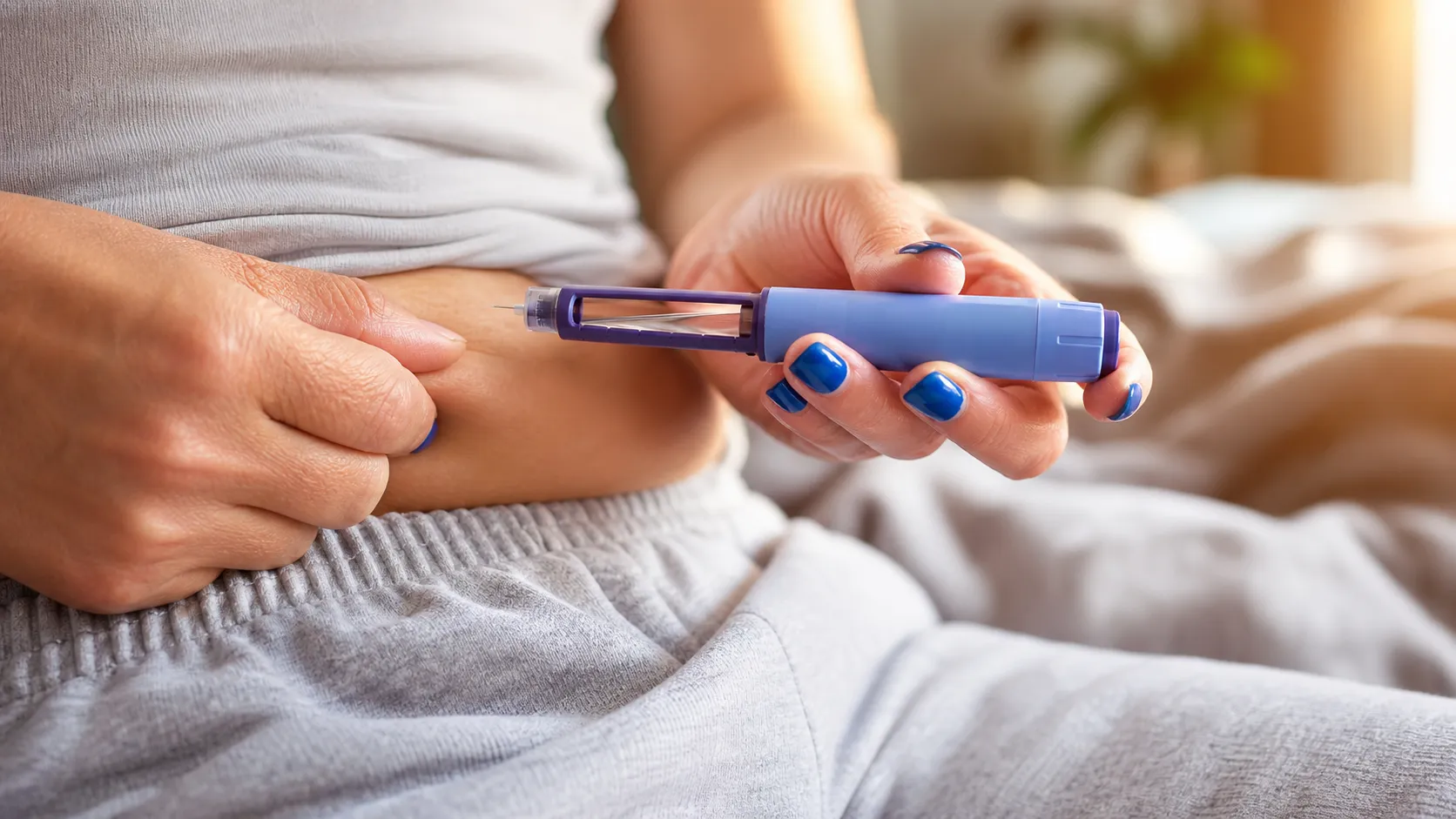
A fresh survey has revealed how many people in the US are now using GLP-1 drugs to lose weight.
GLP-1 medicines were first approved to help treat diabetes, using hormones to regulate blood sugar.
They have since drawn widespread attention because they can also help people feel satisfied after eating smaller amounts.
When paired with diet and exercise, that effect has made the medications increasingly popular as a weight-loss aid.
A new Gallup survey published on Tuesday highlights how sharply use has risen since 2024.
So, how much has GLP-1 use for weight loss grown over the past year?
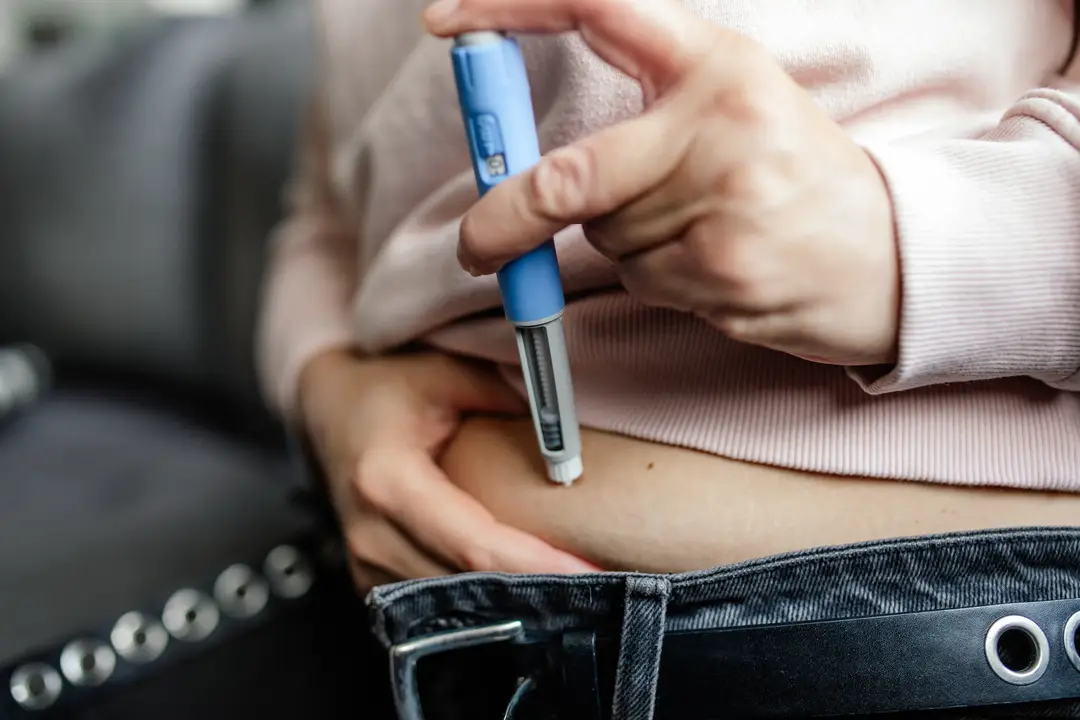
According to the findings, 11 percent of people in the US are currently taking GLP-1 medication for weight loss.
That is up from just three percent in 2024, an eight-point jump.
And that only reflects those who are using the drugs right now.
The poll also found that 15 percent of respondents said they had used GLP-1 medication for weight loss at some point, up by nine points from 2024.
Gallup said the survey was based on responses from 5,065 adults across the US, collected between May 28 and June 5, 2026.
Another key question is whether the growing use of GLP-1 drugs is having a measurable effect on obesity levels in the US.
Gallup’s own self-reported obesity estimate has ticked down from a record 39.9 percent in 2022 to 36.4 percent so far in 2026. But federal health data tell a more cautious story: the CDC’s most recent measured estimate puts adult obesity at 40.3 percent in August 2021 through August 2023, and says that level did not change significantly over the previous decade.
That means the apparent decline may be real, but it may also reflect differences in methodology, self-reporting, and other factors beyond GLP-1 use alone.
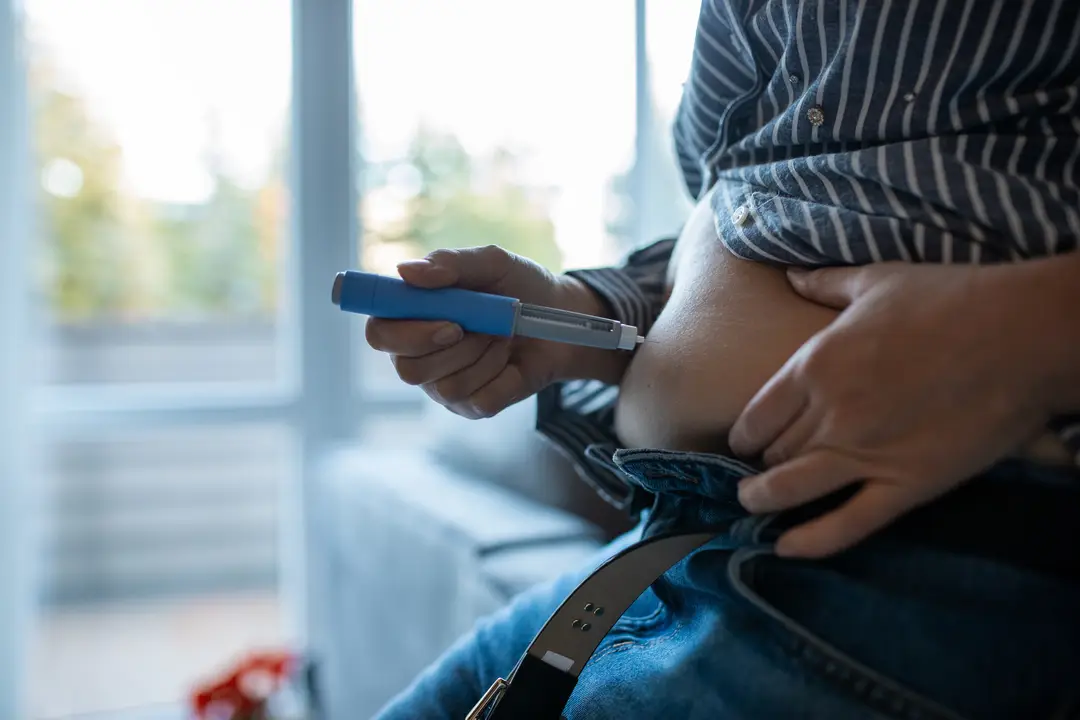
The Gallup survey also found that awareness of GLP-1 drugs has surged, with 91 percent of Americans now saying they are aware of the medications, up from 80 percent in 2024.
The findings come as another potential weight-loss treatment is being developed, one that works with several hormones at once.
That drug is retatrutide, which is still being tested and is not yet available.
In May 2026, Eli Lilly announced positive topline results from a Phase 3 trial of retatrutide, describing it as an investigational triple hormone receptor agonist that acts on GIP, GLP-1, and glucagon receptors.
The company said the drug delivered powerful weight-loss results in adults with obesity or overweight, but it has not yet been approved for sale.
Retatrutide is described as a triple agonist, meaning it acts on the body’s receptors for three different targets rather than just one.
Those targets are glucose-dependent insulinotropic polypeptide (GIP), GLP-1, and glucagon, all of which play a role in blood sugar control, appetite, and metabolism.
For now, GLP-1 medicines remain the dominant weight-loss drugs in the US, with semaglutide-based options such as Wegovy and tirzepatide-based drugs such as Zepbound leading the market.