


RJ Mitte had expressed hope for a “Breaking Bad” return just days before his death.
The actor, 34, spoke at the Los Angeles premiere of his film “Talking To Strangers” on Sept. 30 at the Fine Arts Theatre in Beverly Hills. He shared that he believed series creator Vince Gilligan might be developing something new for the Emmy-winning drama.
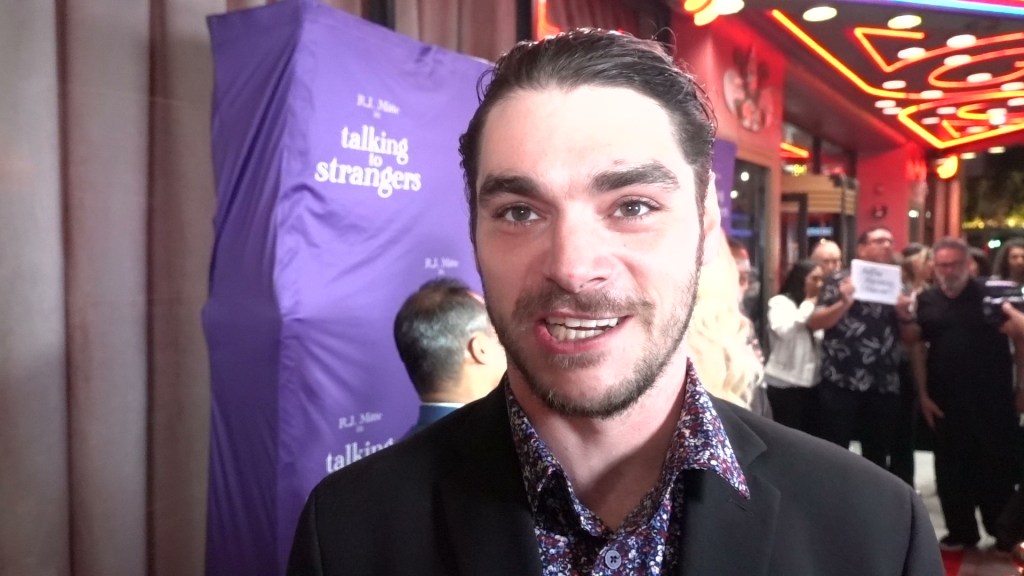
“I am cautiously optimistic that Vince has something in mind,” he said. “I’m not entirely sure [what it is].”
He added, “At the end of the day, any chance I can work with Vince and his team is the dream come true.”
Mitte had gone further, revealing he had pitched Gilligan “very interesting” ideas for a darker reboot. His concept would follow Walter White, Jr. Seeking revenge after the 2013 finale, in which his drug kingpin father — Bryan Cranston’s “Heisenberg” — died.

The actor even suggested Cranston could return to torment his broken son as a ghost. “I really would want to make sure that if we did it right, that we put up our best, that it wouldn’t just be another spin off that we’re seeing or a revival of something, but it its own unique story that still has elements to ‘Breaking Bad,'” he related.
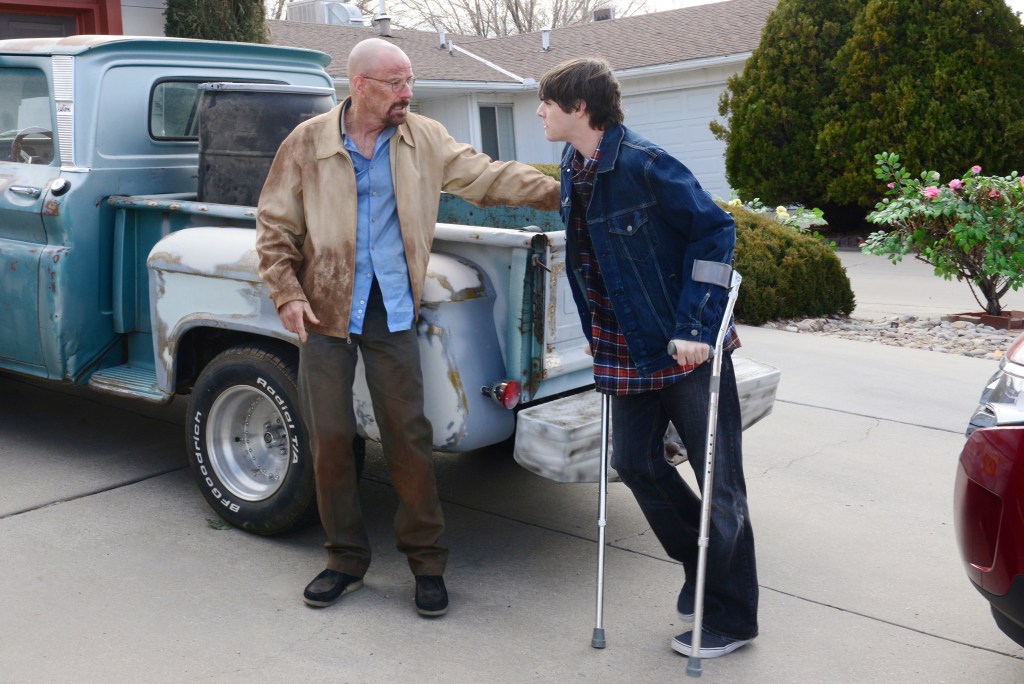
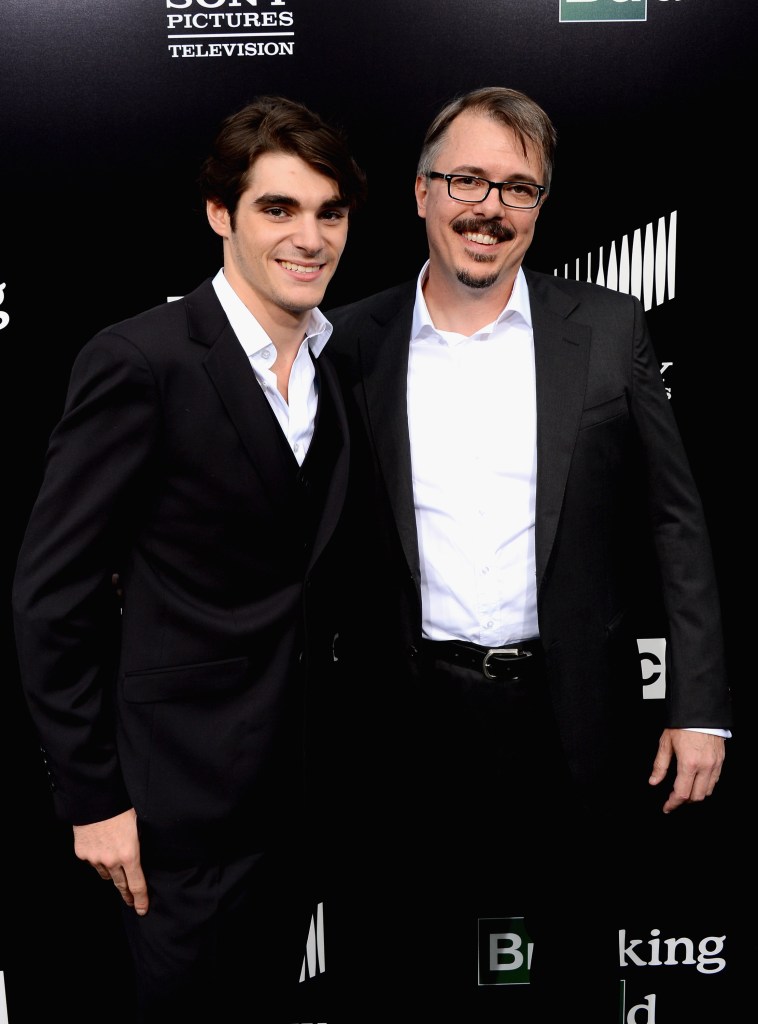
Gilligan, currently showrunning the Emmy-winning series “Pluribus,” has maintained he will never close the door on “Breaking Bad.” Mitte voiced full support for that stance.
“There’s a lot of hype around ‘Breaking Bad. Breaking Bad today is bigger than it ever was before. People are like ‘it was big back then.’ No, it wasn’t. We were that little show about meth,” he quipped. “And now we’re this really crazy, unique show that has been [a hit] for generations and generations to come.”
At the same premiere, Mitte reflected on how portraying a character with cerebral palsy on “Breaking Bad” had advanced acceptance of actors with disabilities. He said he was “humbled and honored” to star in “Talking To Strangers,” which depicts a rigid loner with cerebral palsy who forms an unlikely friendship.
“Any time you can show representation of anything on film with honesty and truth that’s quirky and unique and an untold story, is a miracle in itself because these films don’t really get their due justice, and it is a risk,” he observed.
“This film is very unique in its themes because it handles some pretty heavy content and not something that traditionally is talked about or shown or even even mentioned really — and not just film and television, but in our world in general. And so anytime we can show these sides of characters that people feel but no one wants to talk about is special.”
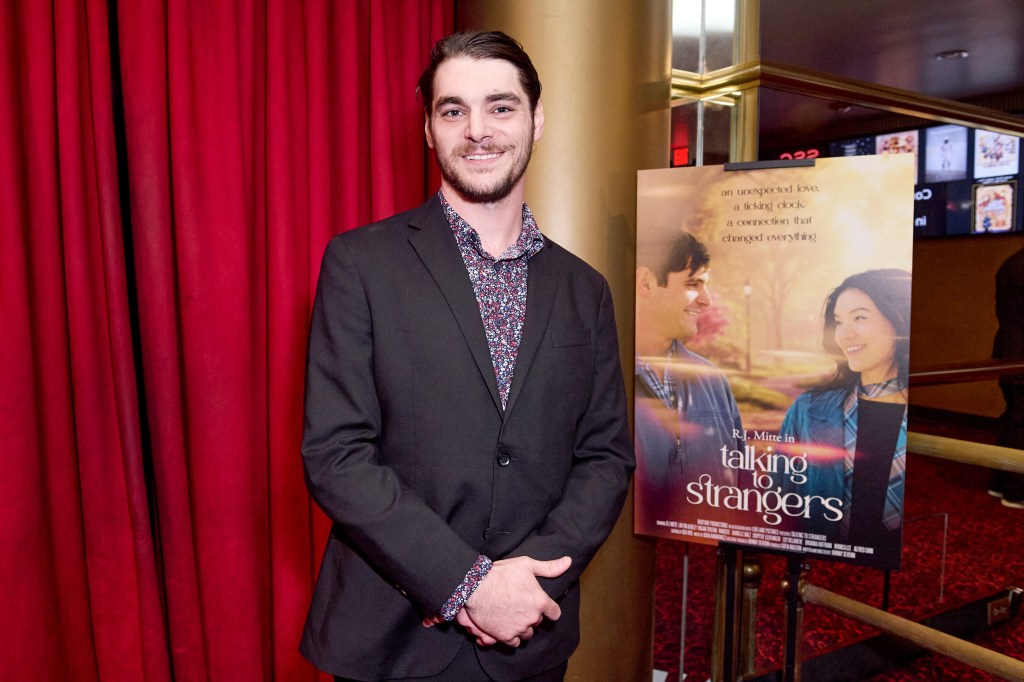
A longtime advocate for performers with disabilities, Mitte stated, “I do believe we made progress. I do believe that there have been avenues and paths that have been carved into stone now, that we did not have before. I do believe that trails have been blazed. And now we see more accessibility.”

News of Mitte’s death broke Monday, attributed to suicide. A representative’s statement read: “Drawing from his own experience living with cerebral palsy, Mitte brought authenticity to the role and built a platform on disability awareness and inclusion.”
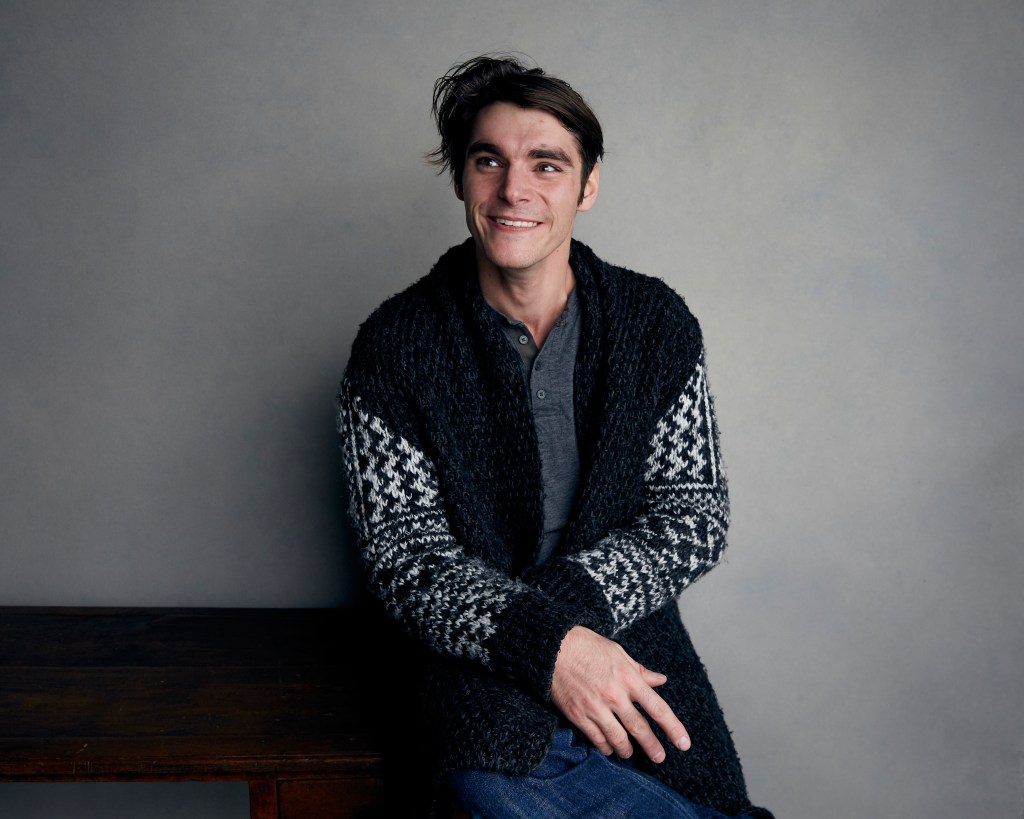
The statement continued, “Beyond entertaining friends and family around the world, he served as an ambassador for United Cerebral Palsy and Shriners Children’s. He also served as president of The Mitte Foundation, supporting philanthropic efforts and community initiatives, while using his platform to challenge stereotypes and promote greater representation for people with disabilities.”
Mitte played Walter White, Jr. Throughout “Breaking Bad’s” five-season run from 2008 to 2013, the son of Cranston’s dying chemistry teacher turned methamphetamine manufacturer. The character’s own cerebral palsy mirrored Mitte’s condition, and his performance earned him widespread recognition as one of the few actors with a visible disability in a major television role. The series concluded with Walter Sr.’s death and his son’s discovery of his father’s criminal empire, leaving narrative threads that Mitte had hoped to revisit.
“Talking To Strangers” marks Mitte’s final screen performance.