


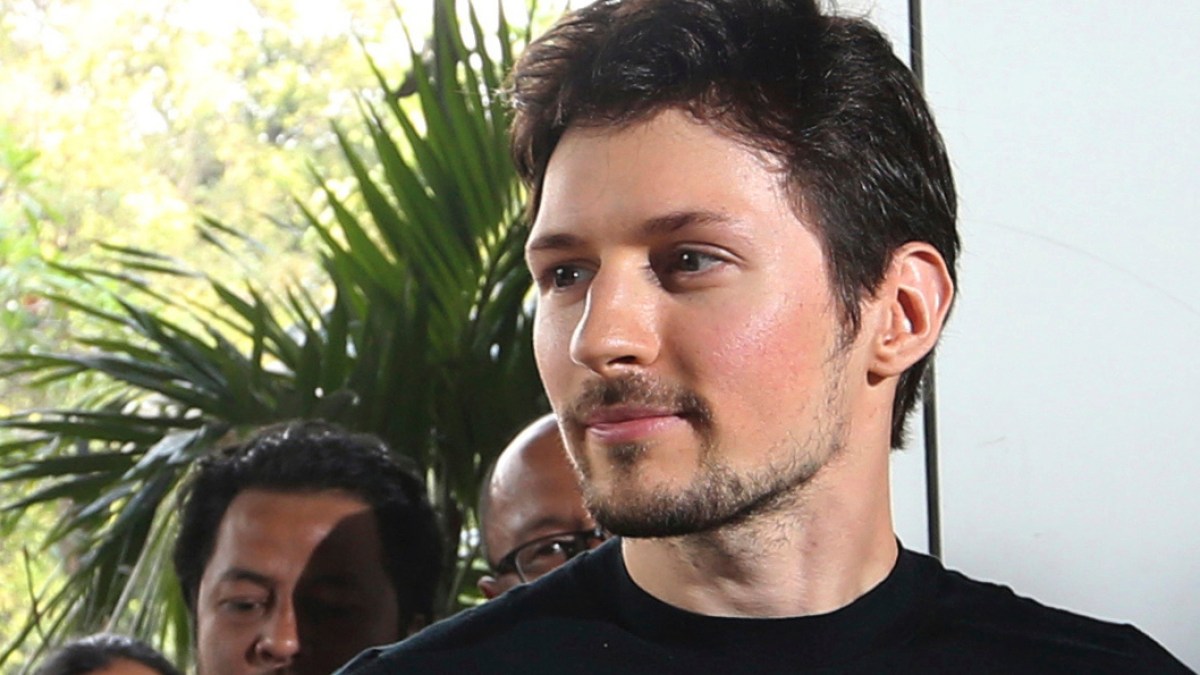
Russian authorities have charged Pavel Durov, the founder and chief executive of the encrypted messaging app Telegram, with aiding terrorism and placed him on an international wanted list. The charges came Wednesday from Russia’s Federal Security Service, known as the FSB, marking the latest escalation in Moscow’s intensifying crackdown on digital communications.
The FSB accused Telegram’s administration of failing to remove content allegedly used by Ukrainian intelligence services and terrorist organizations to conduct attacks inside Russia. The agency alleged that the platform hosted channels, chats and automated bots used to coordinate acts of sabotage, terrorism, mass killings and cyber-fraud operations that resulted in numerous casualties.
Central to Russia’s accusations is a dating chatbot on Telegram known as Daivinchik or Leo, which the FSB said was used by Ukrainian operatives to recruit young Russians for attacks on infrastructure and law enforcement. According to Russian authorities, 46 users of the chatbot, ranging in age from 12 to 22 years old, have been detained across Russia since July 2025 for assaulting law enforcement officers, arson and other acts classified as terrorist activity.
The FSB alleged that Ukrainian agents posed as young women on the dating platform to contact and lure Russian men into compromising situations, then coerced them into committing crimes. In late December 2025, Russia’s federal media regulator added the chatbot to its list of banned websites. Russian authorities claim that perpetrators who have reached the age of criminal responsibility face lengthy prison sentences for their alleged crimes.
If convicted in Russia, Durov could face up to life in prison. The 41-year-old billionaire holds French and United Arab Emirates passports and is based in Dubai, placing him outside Russian jurisdiction. There was no immediate official comment from Durov or Telegram following the charges, though Telegram’s official account on social media platform X posted a photograph of Durov making an obscene gesture with his middle finger.
The charges are part of Russia’s broader digital crackdown that has accelerated since Moscow’s full-scale invasion of Ukraine in February 2022. The charges come as Russian authorities have been systematically restricting access to Telegram, one of the most widely used messaging apps in the country, which has tens of millions of active users in Russia.
In August 2025, Russia’s communications regulator Roskomnadzor blocked voice and video calls on Telegram and WhatsApp, claiming the services were used for fraud, extortion and recruiting citizens for sabotage. In February 2026, Roskomnadzor began throttling Telegram’s overall performance, slowing download speeds and making it difficult to send photos, videos and voice messages. By April, the regulator imposed near-total restrictions on the app without use of virtual private networks to circumvent the blocks.
Despite official restrictions, multiple Russian officials continue to use Telegram and regularly update their channels on the platform. The Kremlin’s own Telegram page had more than 284,000 followers as of Wednesday. Russian military bloggers have denounced the crackdown, arguing that Telegram remains an indispensable communications tool for Russian troops deployed in Ukraine and for activists running crowdfunding campaigns to support Moscow’s forces.
The Kremlin’s restrictions are part of an effort to promote its own state-backed messenger service called MAX, which critics say is designed for surveillance and political censorship. The platform openly declares it will share user data with authorities upon request and does not use end-to-end encryption that ensures message privacy, unlike Telegram.
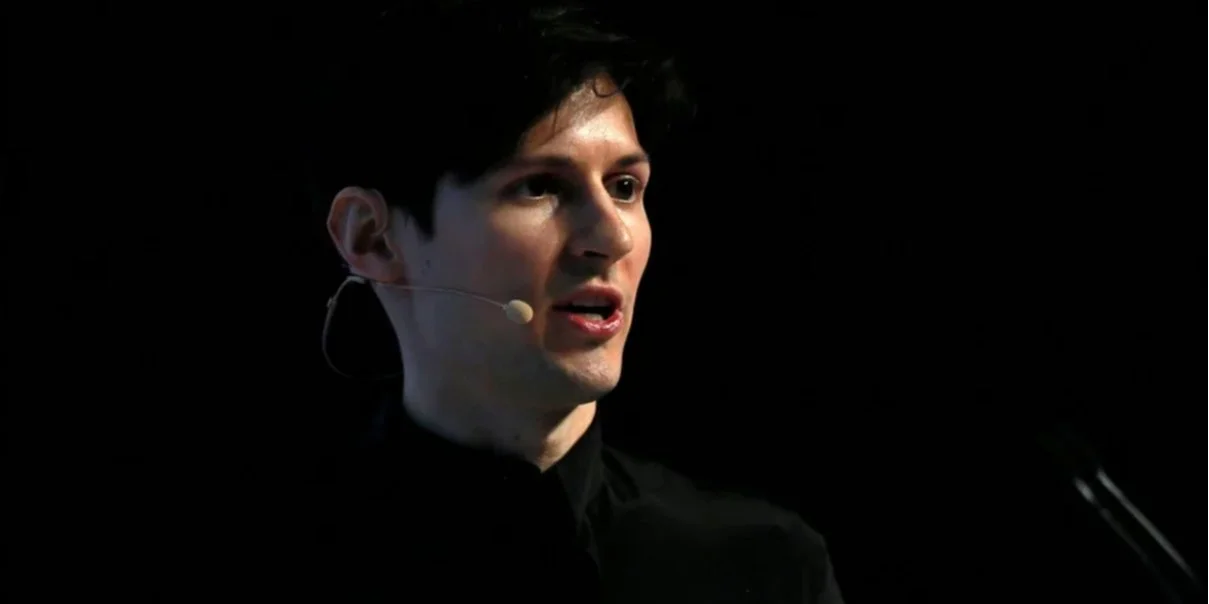
Earlier this year, Durov announced that Russian authorities had opened a criminal investigation against him and accused them of fabricating pretexts to restrict access to Telegram. He stated that the move was an attempt to “suppress the right to privacy and free speech.” Durov has argued that Russia is restricting access to Telegram to force citizens to switch to state-controlled alternatives, citing Iran’s failed attempt to ban Telegram years earlier.
Durov’s troubles extend beyond Russia. In 2024, he was arrested in Paris over allegations that Telegram was used for illicit activity, including drug trafficking and distribution of child sexual abuse material. French authorities handed him preliminary charges for allegedly allowing criminal activity on the platform by failing to take sufficient moderation action. Durov returned to Dubai in March 2025 after spending several months in France during the investigation.
The allegations against Durov carry particular irony given that Russia itself has been accused of using Telegram to recruit operatives for sabotage and espionage. In 2024, a British man was recruited on the platform, likely by Russian military intelligence, to organize a plot to set fire to a warehouse in London containing satellite equipment for Ukraine. He was also reportedly asked to kidnap a pro-Ukrainian exiled Russian billionaire living in London. Dutch teenagers were similarly arrested after being contacted by Russian hackers on Telegram who sought to recruit them to map Wi-Fi networks in The Hague.