


A sacked bus driver has lost her disability discrimination and harassment claim after a tribunal ruled her flatulence created a genuine hygiene crisis for a colleague.
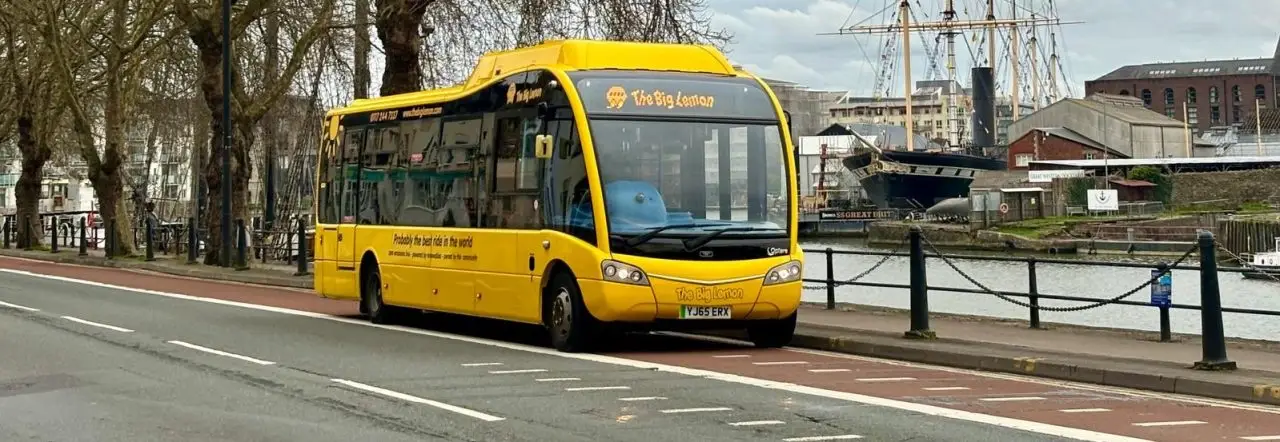
Stephanie Bryan, from Bristol, was fired from The Big Lemon bus company following a probation review in January 2025 that capped months of performance concerns. The Bristol Employment Tribunal rejected her claims that the dismissal was disability-related, finding instead that management acted on legitimate workplace complaints about body odour and hygiene.
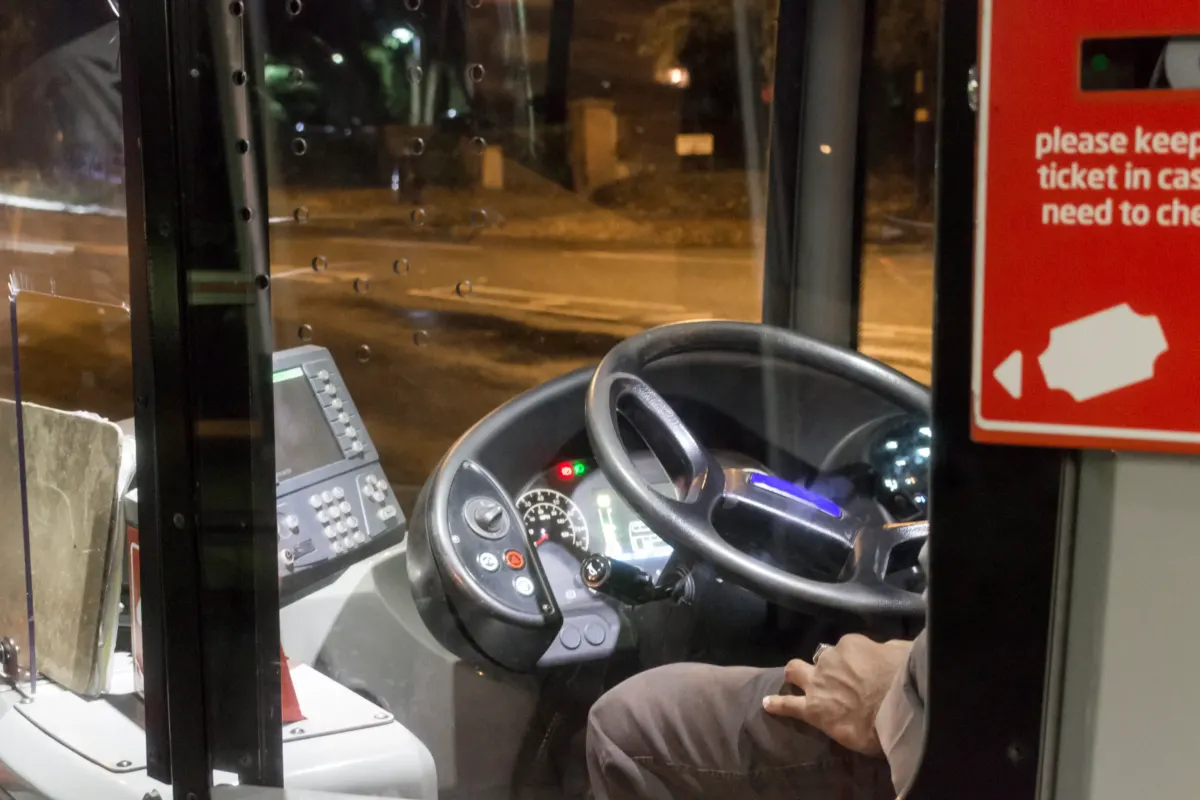
The incident that triggered the formal complaint occurred when fellow driver Samantha Bingham began her shift and settled into the same driver’s seat Bryan had occupied. Bingham encountered what the tribunal described as a significant odour she believed was faecal in nature, leading her to conclude Bryan had soiled herself.
“The episode had been so significant that when the second respondent returned home that evening her partner asked her whether she had in fact soiled herself,” Judge Jonathan Walters noted in the tribunal document. “She was obliged to remove all her clothing and place them in the washing machine and she then immediately took a shower.”
Bingham’s partner had asked if she had “defected” upon detecting the lingering smell, the tribunal heard. The judge accepted that the odour “was consistent with faecal matter potentially caused by significant flatulence which had led to soiling and was not associated with urine or urinary incontinence.”
When Bingham later raised the matter with Bryan, the tribunal heard that Bryan defended herself by saying: “Everyone needs to fart and let out gases.” Bryan reacted negatively to the confrontation despite Bingham being “genuinely and reasonably concerned by the situation she found herself in,” the tribunal found.

“The Tribunal is satisfied that the second respondent was raising a genuine workplace concern with the claimant,” the document stated. “The concerns about hygiene were also raised sensitively and appropriately in private.”
Bryan’s employment had been on shaky ground before the flatulence complaint. She began a three-month probation period in September 2024, which The Big Lemon extended to January 2025 due to “concerns regarding her performance.” The tribunal noted that management had previously discussed personal hygiene with Bryan, but these concerns “related not to bladder weakness but to body odour and had arisen from complaints made by colleagues.”
Bryan sued for disability discrimination and harassment, alleging unfair treatment connected to depression and bladder weakness. The tribunal found she had never informed company bosses about these conditions, leaving management unaware whether they might contribute to hygiene problems.
“There was absolutely no evidence before the tribunal that [Bingham] had any knowledge of the claimed disabilities nor ought she reasonably to have known about them,” the ruling stated. The tribunal dismissed both claims, concluding the probation meeting was “conducted appropriately” and the firing was unrelated to any disability.
“The dismissal occurred because management genuinely and reasonably concluded that [Ms Bryan] had failed satisfactorily to complete her probationary period,” Judge Walters said. “The Tribunal is not satisfied that any unfavourable treatment was because of something arising in consequence of her disabilities.”

Bryan had worked for The Big Lemon, a Bristol-based bus company, during her brief and troubled probation period. The tribunal’s ruling marks the end of her legal challenge against the dismissal.