


Researchers say they may have identified a naturally produced molecule that could curb hunger in a way that resembles the effects of popular weight-loss medicines like Ozempic.
The finding stands out because GLP-1 drugs have become hugely popular, but they also come with trade-offs. Medications such as Ozempic, Wegovy and Mounjaro can help people eat less by reducing appetite and helping them feel full for longer.
At the same time, these treatments are known to cause side effects for some patients. Frequently reported problems include nausea, vomiting and constipation, while fast weight reduction can sometimes lead to loss of muscle as well as fat.
Because of that, scientists have been searching for treatments that influence appetite more precisely, without triggering broad effects across the body.
A collaborative team at Stanford Medicine and UC Berkeley now believes it may have found a candidate. The researchers focused on a naturally occurring peptide known as BRP, short for BRINP2-related peptide, which produced notable effects on appetite and body weight in early animal testing. Their findings were published in Nature in March 2025.
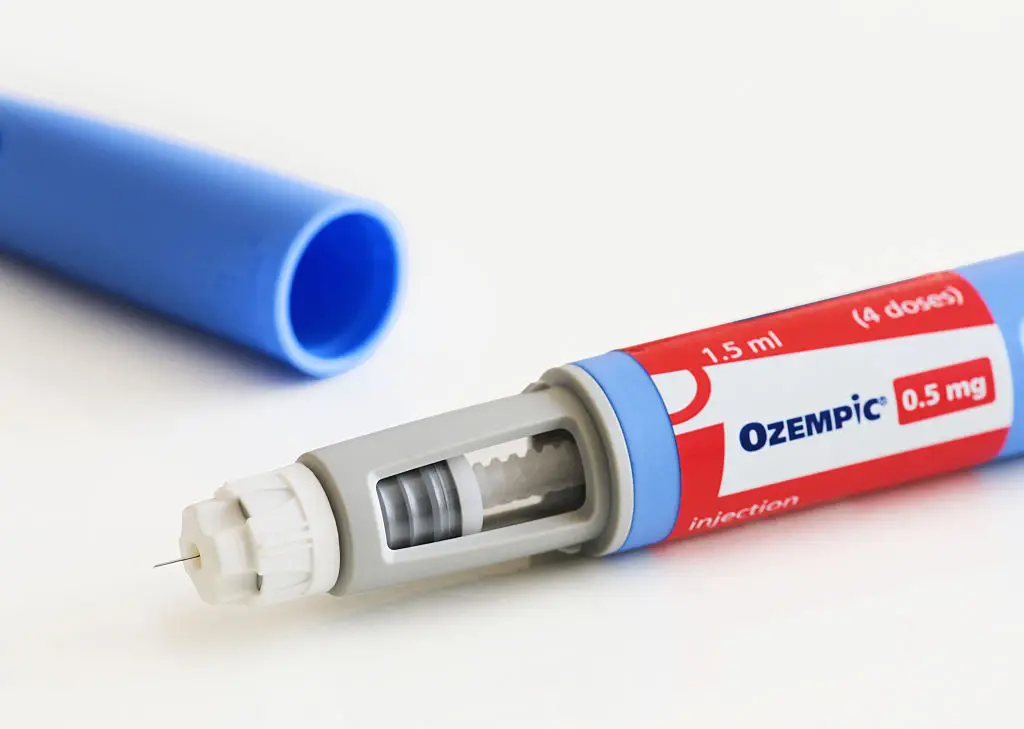
Semaglutide, the key ingredient in Ozempic, works on receptors found in multiple parts of the body. BRP, by contrast, appears to act more narrowly in the hypothalamus, the brain region that helps regulate hunger and metabolism.
“The receptors targeted by semaglutide are found in the brain but also in the gut, pancreas and other tissues.
“That’s why Ozempic has widespread effects including slowing the movement of food through the digestive tract and lowering blood sugar levels. In contrast, BRP appears to act specifically in the hypothalamus, which controls appetite and metabolism.”
The discovery was also driven by AI.
Using a tool called Peptide Predictor, scientists screened all 20,000 human protein-coding genes to identify possible peptides created when certain proteins are broken apart.
From thousands of options, the team selected 100 candidates for testing on neuron-like cells. BRP, a peptide consisting of only 12 amino acids, stood out by boosting neuronal activity tenfold compared with untreated cells.
The peptide was then tested in mice and minipigs. When BRP was injected before feeding, both species ate up to 50 percent less over the following hour.
In obese mice given daily injections for two weeks, average weight fell by about three grams, with nearly all of that reduction coming from body fat. By comparison, mice in the control group gained roughly three grams.
The researchers also observed better glucose and insulin tolerance. They reported no significant differences in movement, water intake, anxiety-like behaviour or faecal production.
They added that they did not see the nausea-linked responses or the major muscle loss that can accompany some existing obesity treatments.
Still, BRP is far from ready to replace any current prescription.
So far, the results exist only in animal studies. Scientists still need to determine which receptor BRP uses, understand its exact mechanism and work out how to make it remain active in the body for longer.
If those hurdles are cleared, testing in humans would be the next major milestone. According to Stanford researchers, clinical trials in people are expected in the near future.
“The lack of effective drugs to treat obesity in humans has been a problem for decades.
“Nothing we’ve tested before has compared to semaglutide’s ability to decrease appetite and body weight. We are very eager to learn if it is safe and effective in humans.”
Specialists have warned that turning BRP into an approved medicine could take years, so for now it remains an encouraging research lead rather than a treatment available to patients.