

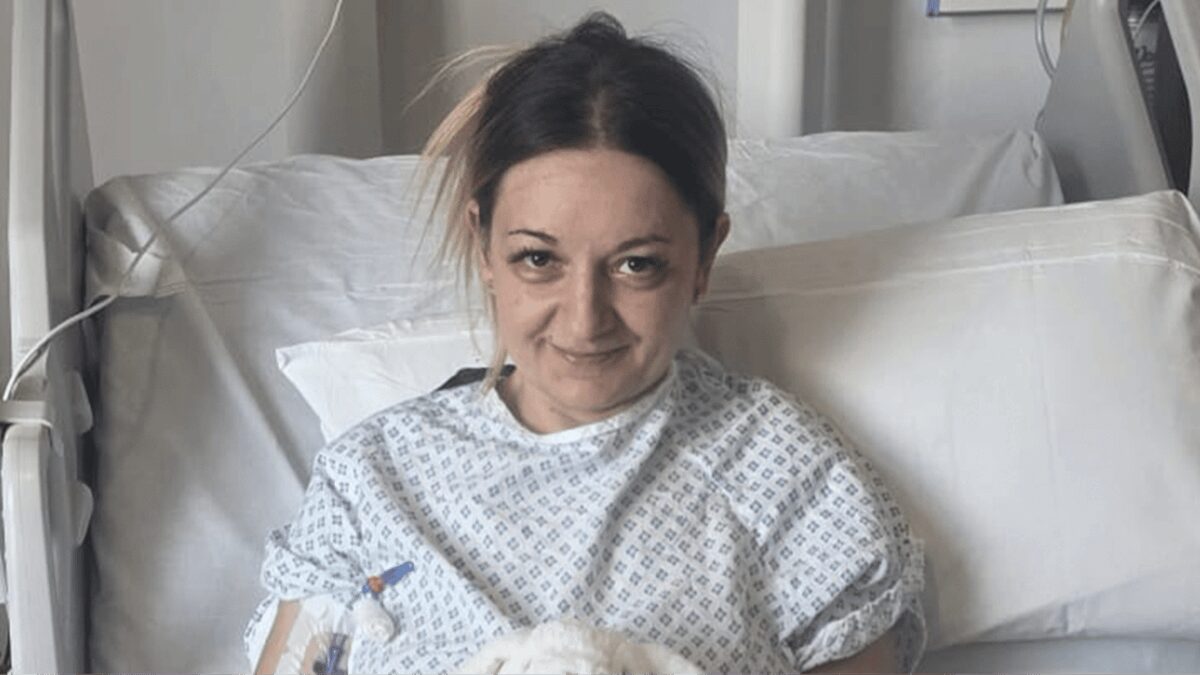
The loved ones of a “selfless” mother and former carer who is battling late-stage cancer have shared the worrying symptom she experienced before doctors identified the illness.
Roxy, a 36-year-old mother from Britain, had been employed by a homecare company when she started noticing symptoms in February 2026. Around that time, she also began losing weight at a rapid pace.
Within just a few months, her weight fell from 83kg to 63kg, prompting growing concern from her children, Adrian, 20, and Patrizia, 15.
Adrian recalled one of the most alarming signs being the way her body reacted to eating.
“Her body was rejecting food and she was constantly throwing up.”
As her condition worsened, the family knew she needed urgent medical attention.
“When the situation became unbearable, she went to get checked,” he continued. “She underwent a biopsy in Slough (UK), where doctors discovered cancer and fluid in her stomach.”
Following two weeks of testing, surgery to collect tissue samples, and the fitting of a feeding tube to help her receive nutrition, doctors diagnosed Roxy with late-stage gastric adenocarcinoma, an advanced form of stomach cancer. Gastric adenocarcinoma is often difficult to diagnose early because symptoms like unexplained weight loss, nausea and vomiting typically do not appear until the disease has advanced significantly.

Adrian explained that while standard chemotherapy may still have some use, it may not be enough to provide a lasting answer in her case. The family is instead trying to secure access to a more advanced option called PIPAC, or Pressurized Intraperitoneal Aerosol Chemotherapy.
The Mayo Clinic describes PIPAC as an experimental cancer treatment administered directly into the abdominal cavity.
PIPAC delivers chemotherapy drugs as a pressurized aerosol to enhance their distribution within the peritoneal cavity, particularly beneficial for treating peritoneal metastasis—cancer that has spread to the abdominal lining. Recent clinical research has demonstrated that PIPAC can be safely combined with systemic chemotherapy and is effective in controlling ascites, the accumulation of fluid in the abdomen common in advanced gastric cancer patients.
Adrian said PIPAC would “offer a much higher chance for her to respond effectively, live longer, and have a better quality of life”.
The problem, he said, is the cost and limited availability of the treatment in the UK.
“Unfortunately, PIPAC is still considered experimental in the UK, so we looked across Europe and found a specialized clinic in Romania that can offer this treatment, starting around £30,000 ($40,400).”
“The treatment is done per session. The plan is for her to undergo 3 sessions of PIPAC therapy.”
If that treatment is successful, doctors may then move on to HIPEC, or Hyperthermic intraperitoneal chemotherapy. Johns Hopkins Medicine explains HIPEC as a two-stage procedure in which cancerous tumors are first surgically removed before heated chemotherapy drugs are applied directly into the abdomen to target any remaining cancer cells. HIPEC has demonstrated potential benefits for gastric cancer patients with peritoneal metastases, with studies showing improved survival outcomes when combined with cytoreductive surgery, particularly in carefully selected patients with limited peritoneal spread.
Adrian said both he and his younger sister are still reeling from their mother’s diagnosis.
“My mum is a fighter, and right now, we are trying everything we can to give her hope, bring back her smile, and give her a fighting chance to watch us grow up,” he said.
“All her life, she worked as a carer, dedicating herself to taking care of other people and helping those in need. Now, it breaks our hearts to watch her go through this nightmare, and it’s our turn to fight for her.”
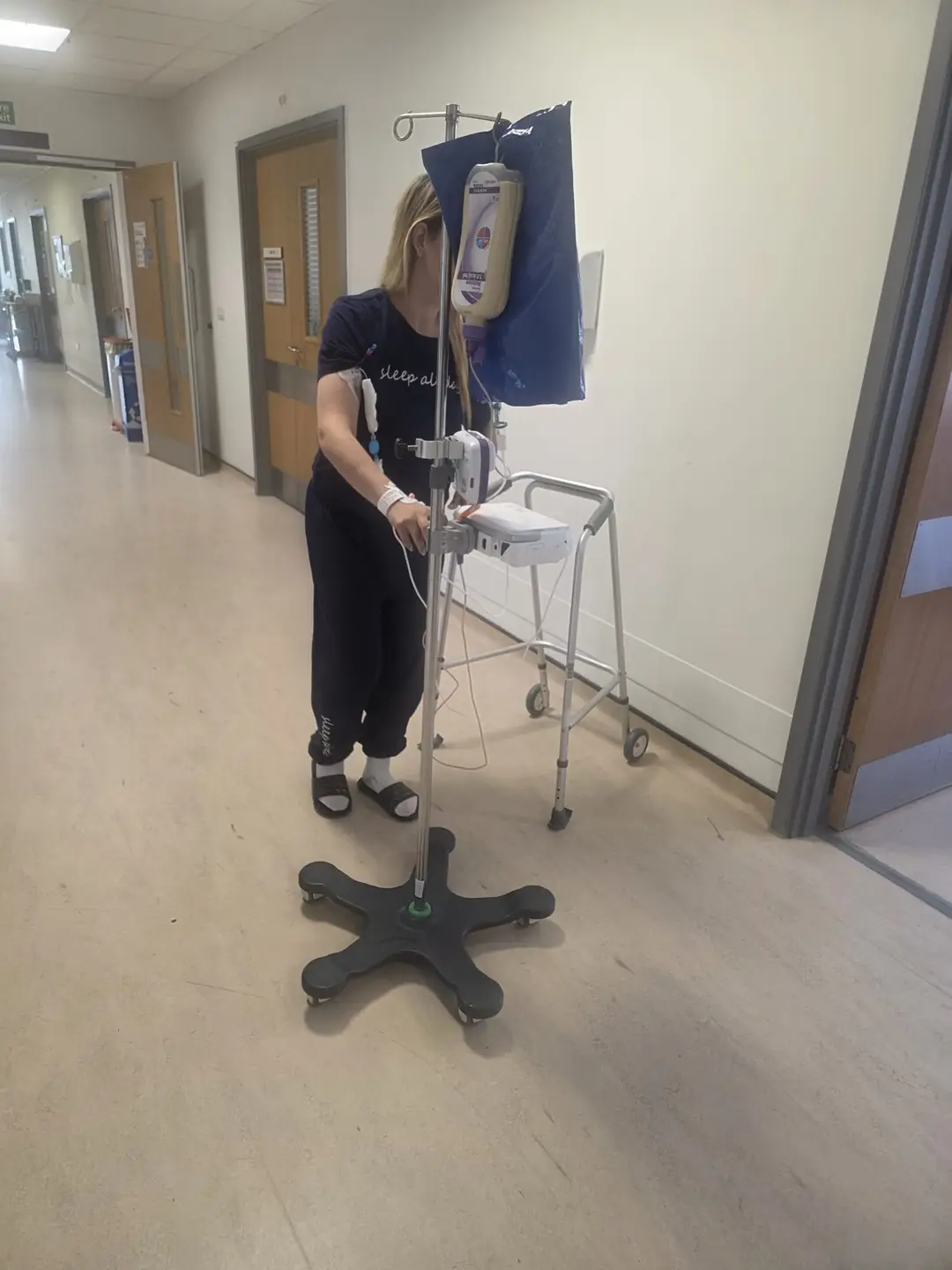
To help cover the costs, Adrian has launched a GoFundMe campaign aimed at helping Roxy “access life-saving treatment”. He explained how the fundraising target was calculated.
“The £30,000 goal should be enough for the PIPAC treatment phase. Each individual session costs between €6,000 and €10,000, and she needs 3 sessions for it to be effective.”
He also said watching their mother’s condition change day by day has been incredibly painful for the family.
“It is very, very hard for us as a family seeing her change every single day,” he said. “Because her body keeps refusing food and nutrition, she isn’t getting the calories she needs and continues to lose weight, though the doctors are trying their absolute best.
“It is heartbreaking because we just want our mum to survive and to be happy all together again. We miss our energetic, happy, smiling mother. We fight every single day to reach these funds, sharing her story everywhere with the press and anyone who can help. We still have a long way to go, but we hold onto hope.”
The family believes that if Roxy can receive PIPAC and responds positively, it “could buy her vital time and open the door to the major HIPEC surgery, giving her a fighting chance to beat this”.
Adrian also expressed gratitude to everyone who has contributed so far, thanking donors for their “kindness, generosity, and prayers during this journey”.
At the time of writing, the fundraiser had brought in just over $5,000, though the family is hoping to raise more than $40,000.
If you’d like to donate to the GoFundMe, you can do so here.