


Groton Police Chief Louis Fusaro is urging the public to stop spreading serial killer theories about a cluster of coastal deaths.
Fusaro, who leads the department in the Connecticut seaside town where one of the bodies was found, spoke to WTNH on April 11 as social media speculation reached a fever pitch. “I would tell people, ‘Don’t rush to judgment,'” he said.
The chief’s warning came amid a wave of panic that has swept beach communities across Massachusetts, Rhode Island, and Connecticut following a series of grim discoveries involving women found dead near shorelines and waterways. The proximity of the locations and demographic similarities among several victims have fueled viral true-crime theories on TikTok and Facebook, where users have openly speculated about a single predator stalking the New England coast.
“This has serial killer written all over it,” one commenter on TikTok wrote.
“I live in Rhode Island,” another TikTok commenter added. “This is definitely happening. Definitely scary. And the places aren’t far from each other.”
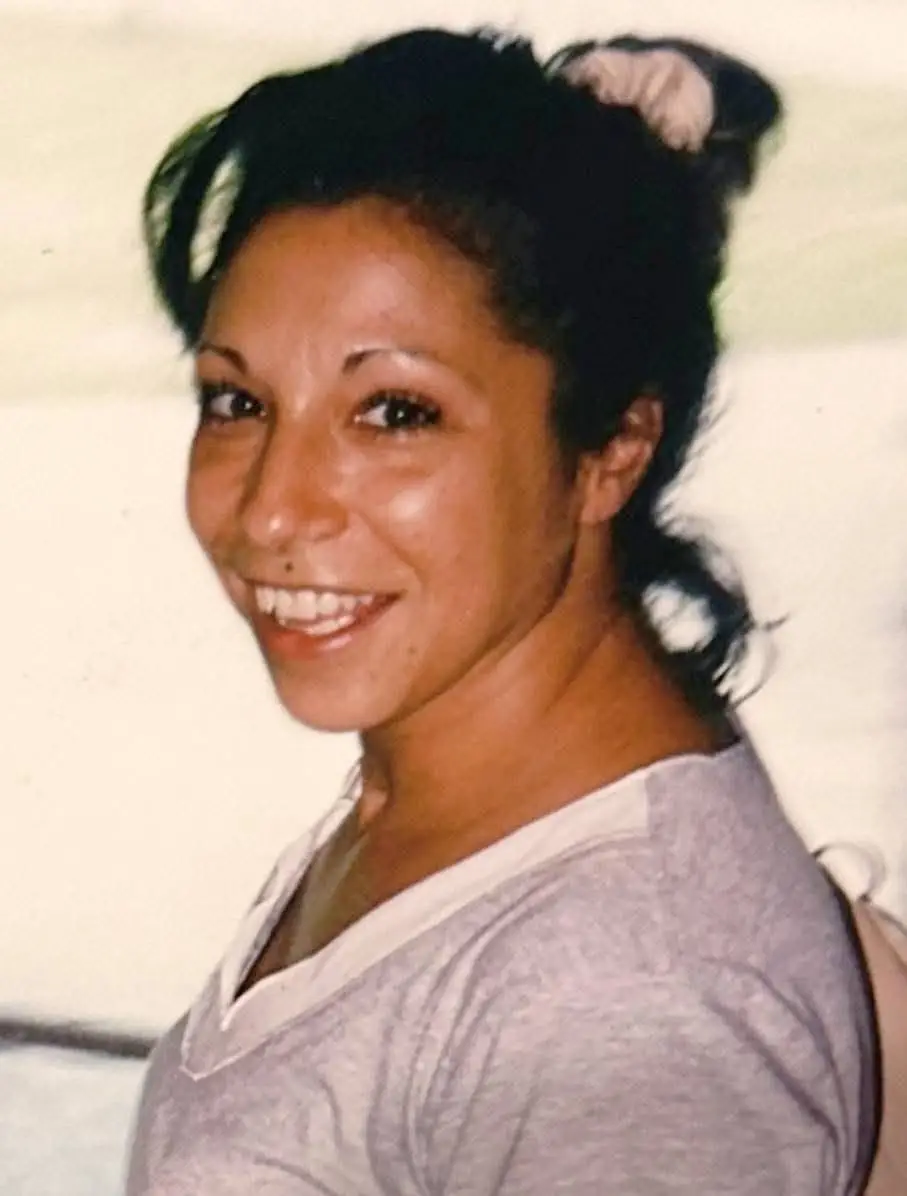
The anxiety has been heightened by the region’s long memory of coastal crimes and cold cases, with residents demanding increased police patrols along boardwalks, walking trails, and quiet public access points. Community forums and local Facebook groups have become echo chambers for fear, with unofficial commentary often outpacing verified information from investigators.
Law enforcement agencies have responded with unusual coordination, holding joint briefings to push back against the narrative. State and municipal police departments confirmed that comprehensive forensic examinations and post-mortem investigations have turned up no common thread connecting the cases. Coroners and detectives emphasized that circumstances vary considerably: several deaths have been attributed to accidental drowning, adverse medical events, or severe substance-related complications, with no initial signs of violent trauma or third-party involvement.
In cases where investigations remain open pending toxicology results, detectives have reported zero physical evidence, forensic overlap, or shared operational MO among the scenes.
The timeline of discoveries stretches back months and spans three states. On March 6, the remains of Paige Cannon, 35, of West Islip, NY, were found in the Norwalk River near the abandoned Grist Mill Road Bridge in Norwalk, Connecticut. That same day, a human skull was discovered in the woods off Route 3 in Plymouth, Massachusetts, according to Boston 25 News.
Two weeks later, on March 21, the body of Denise Leary, 59, a beloved mother of two, was found in New Haven, roughly 40 minutes from Norwalk. Leary had been reported missing from her home the previous August.
Five days after that, on March 26, the body of Michele Romano, 56, was discovered in the woods in Foster, Rhode Island. Police have determined her death to be suspicious in nature.
Earlier, on March 19, human remains belonging to a female between the ages of 40 and 60 were found near Colonel Ledyard Cemetery in Groton, with authorities determining they had been dumped there in mid-February. The most recent discovery came on April 9, when human remains were located on Woodward Street in Killingly, Connecticut. The identity of that victim has not yet been confirmed.

The string of separate discoveries has tested the region’s historic sensitivity to coastal crimes, with residents drawing explicit comparisons to notorious unsolved cases from decades past. Police officials acknowledged they understand community concern during open investigations but warned that unchecked social media speculation can actively impede casework and inflict unnecessary distress on victims’ grieving families.
Authorities are directing residents to rely exclusively on verified updates from municipal police departments and medical examiner offices, maintaining that no credible evidence suggests an ongoing threat to public safety in the region.