

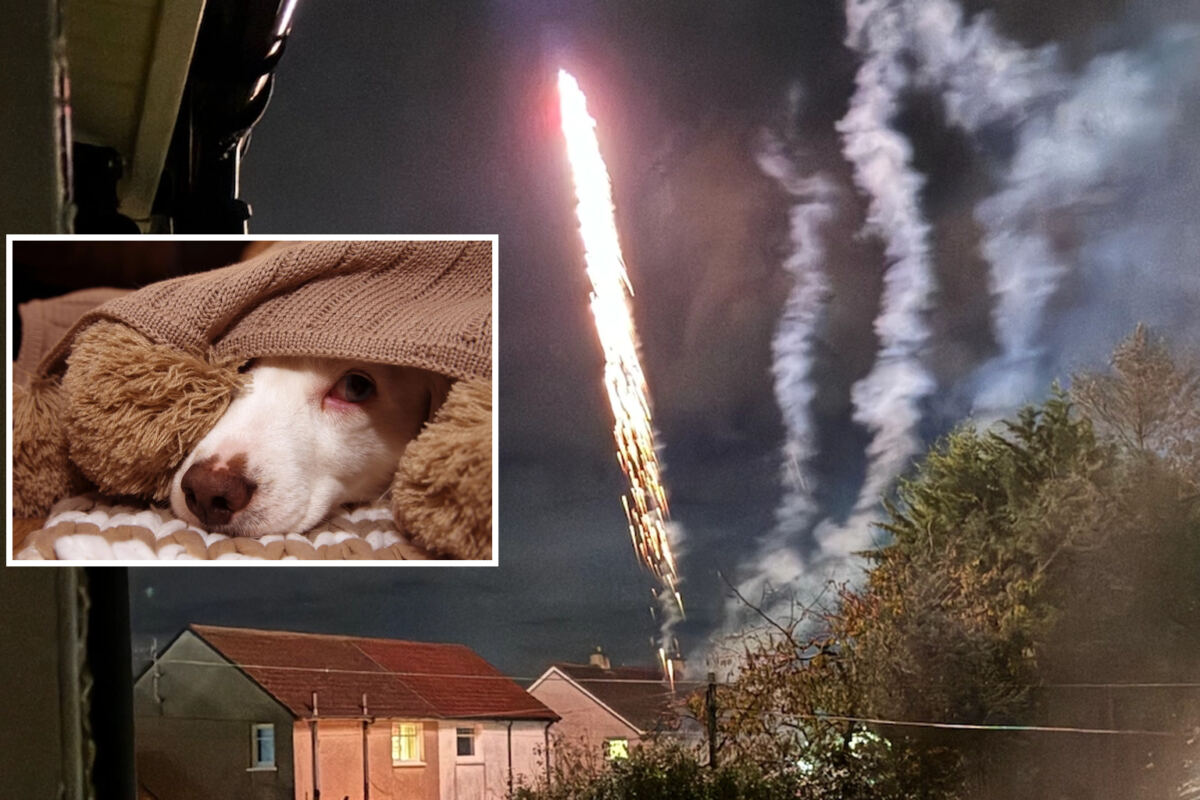
Campaigners are warning that this year’s Bonfire Night could be the last to feature ear-splitting fireworks as UK ministers weigh plans to slash noise levels by up to half.
The government is considering proposals that would lower the maximum noise limit for fireworks sold to the public from 120 decibels to 110 decibels, a reduction officials say would cut perceived loudness by roughly 50 percent. The reforms would apply only to privately purchased pyrotechnics, not professional displays, and come after sustained pressure from animal welfare groups and emergency services.
Around 20 million people put on their own firework displays each year, according to industry figures, making the potential impact of any rule change substantial. Ministers have already ruled out an outright ban on public sales, arguing it would not be proportionate, but they confirmed earlier this year that targeted reforms remain on the table.
“We are proposing to reassess the risk level of certain pyrotechnic products, which could lead to more restricted access to some products,” the government said in a statement.
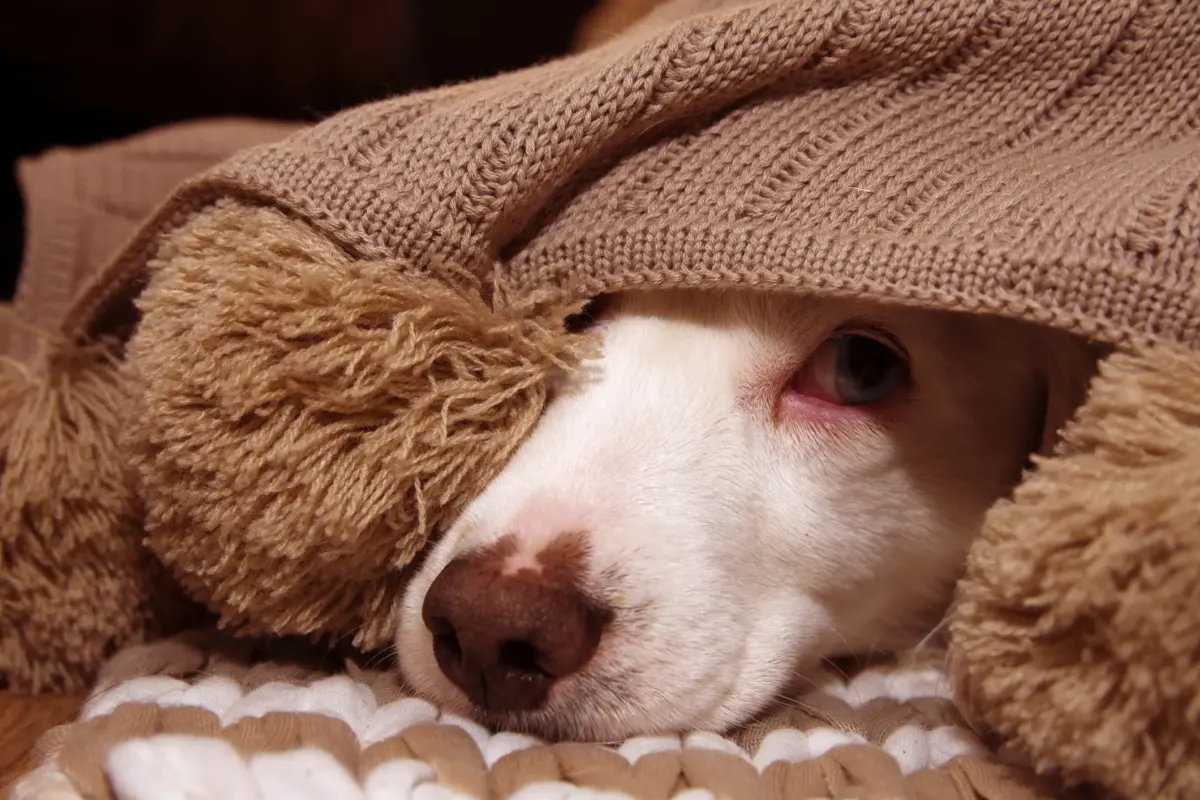
The Center for Wild Animal Welfare has pushed back hard against the 110dB proposal, insisting the limit should drop far lower. Richard Parr MBE, the organization’s director, said the government’s plan fails to protect the full scope of animals at risk.
“Fireworks can be fun, but they also cause real suffering for wild animals,” Parr said. “As well as scaring our pets, loud bangs can terrify wild animals like foxes, badgers, deer, and birds. Ministers deserve credit for taking action.”
“But the government’s proposed noise cuts don’t go far enough,” he continued. “They should go further and cut the maximum noise limit from 120 to 90 decibels. This would make the area disturbed by fireworks a thousand times smaller. This would be great news for our pets, and for millions of wild animals.”
The RSPCA has mounted its own campaign for reform, calling for tighter noise controls and the creation of “firework free” zones. Lauren Bennett RVN, Scientific and Policy Officer at the charity’s Companion Animals Department, emphasized how animals experience the explosive sounds differently than humans do.
“Most animals have a greater hearing range and higher sensitivity to noise than humans,” Bennett said. “From our pets to nearby farmed animals and local wildlife – the bang of a firework can make us jump, but it can quite literally scare animals to death.”
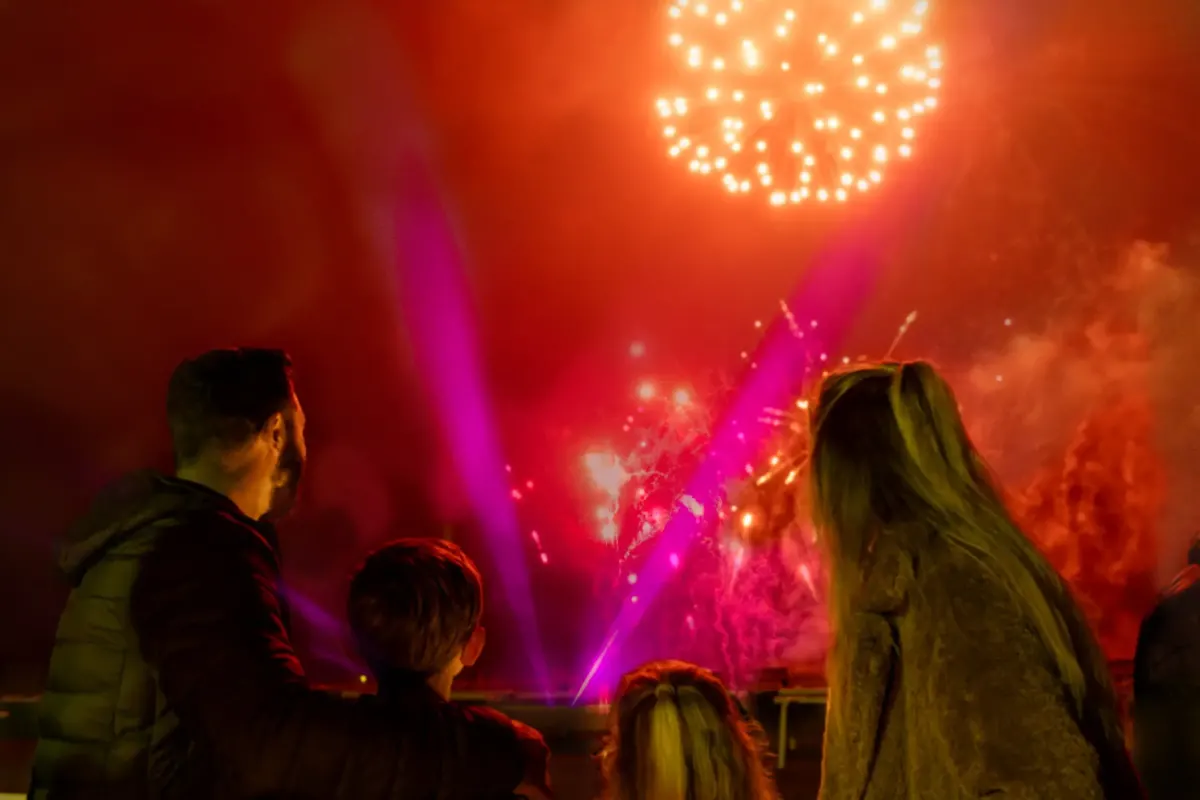
Social media users vented fresh frustration on Thursday, November 5, as fireworks rang out across neighborhoods. “Tonight has been utterly repulsive and my dogs are shaking and petrified! Ban fireworks!,” one user wrote. Another described their dog as “absolutely petrified,” explaining: “He’s laid in a dark room with the fan on, calming sounds and the calming radio music bless him.”
The government’s consultation also proposed reviewing which pyrotechnic products should be banned outright and updating requirements for lower-risk items. Current rules already set a midnight cutoff for firework noise on Bonfire Night itself, with a 1am limit applying to New Year’s Eve, Diwali, and Chinese New Year.
The cluster of autumn and winter celebrations creates a concentrated period of disruption. Halloween, Bonfire Night on November 5, and Diwali—which falls on November 8 this year—all fall within a two-week span, layering private displays on top of each other in many communities.
The government’s earlier press release acknowledged the breadth of concern. “Concerns about excessively noisy fireworks have been consistently raised by local residents, charities, emergency services and animal welfare organisations,” officials wrote. “Loud fireworks can cause severe distress to pets, livestock and wildlife, with conservation groups warning that sudden explosions can cause panic, injuries and deaths among animals.”
The debate over decibel levels now sits with ministers as they weigh final reforms ahead of future display seasons.