


Grace Brassel is speaking out again about her ex-boyfriend Shane Gillis.
The 27-year-old, whose viral tell-all essay in The Cut detailed alleged cheating and emotional manipulation during their relationship, said that strangers have been approaching her in public since the comedian’s recent “Saturday Night Live” appearance. “People come up to me in public and high five me,” she said, reacting to what she described as a “bomb of an ‘SNL’ performance.”
Brassel was not surprised by the backlash to Gillis’s monologue, in which he joked that women dress like “whores” at the gym and used “queer” and “gay” as punchlines. “I wasn’t shocked by that at all, more shocked that it was such a lazy monologue,” she laughed. The comedian has been “riding a wild high for two and a half years,” she observed, but now “it’s been really strange seeing people hold him accountable.”
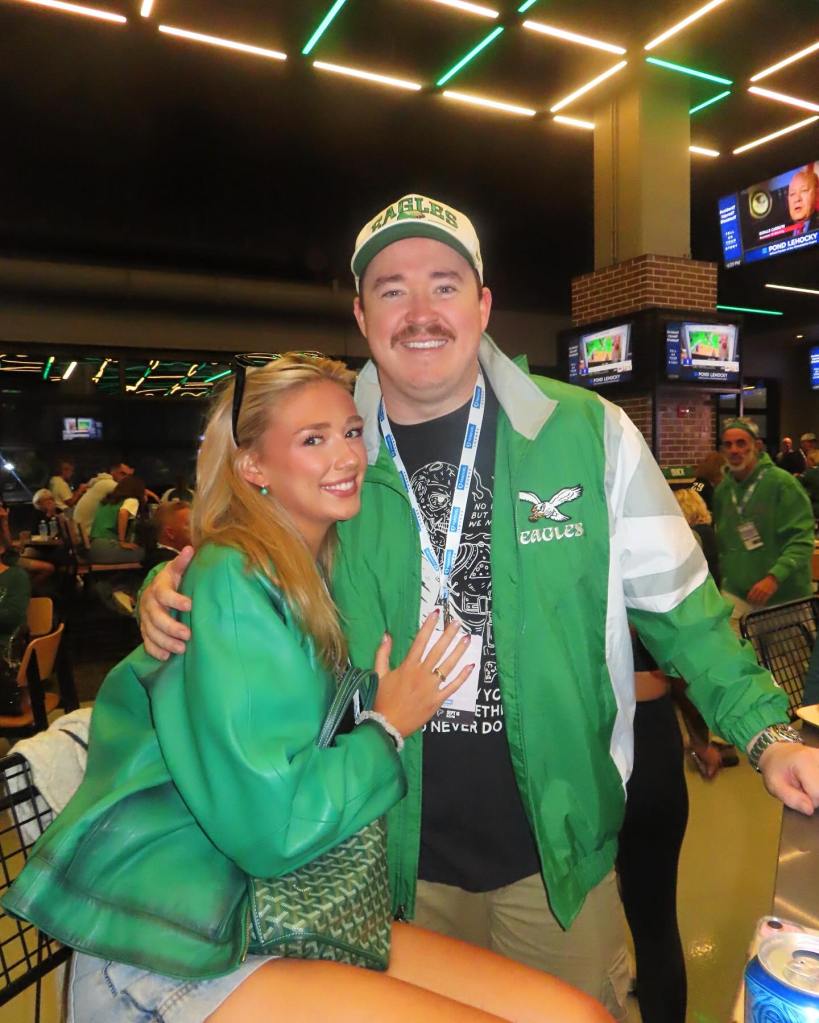
Actor Dan Levy was among the celebrities who criticized the routine, saying in a video, “Women wearing short-shorts to the gym does not make them whores… it makes the men calling them whores misogynists. There’s a difference there.”
In her original essay, Brassel accused Gillis of encouraging her to quit her job, then treating her like a live-in housekeeper. She also alleged he routinely called women “whores” and that she discovered months of sexting with another woman. His fans harassed her, she wrote, and one even shoved her into a West Village bar table.
Brassel noted in her essay that the comedian’s mask was beginning to slip and the public was starting to see the man she knew. She has not been in touch with Gillis since May but is waiting to see if he addresses her claims. “We shall see if he talks about it on his podcasts, time will tell!” she said.
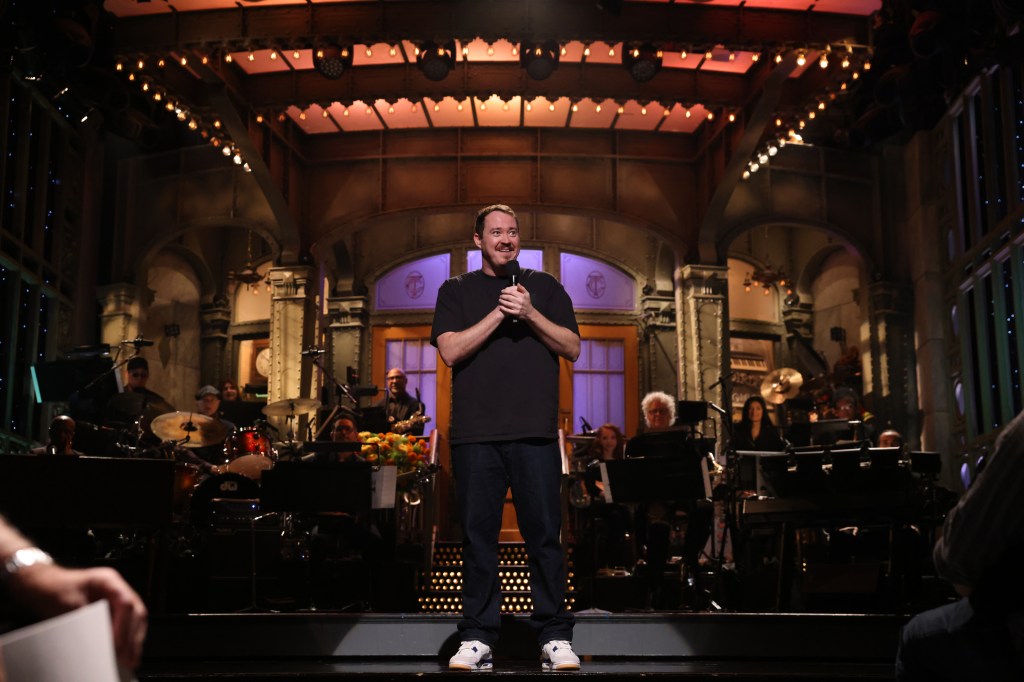
Despite the controversy swirling around him, Brassel predicts Gillis and his career will ultimately survive. “I’m sure he will survive this and be fine,” she adds. Her motivation for going public, she emphasized, was not to destroy him but to help others. “I wanted to share this to help other women and encourage people to stand up for themselves.”
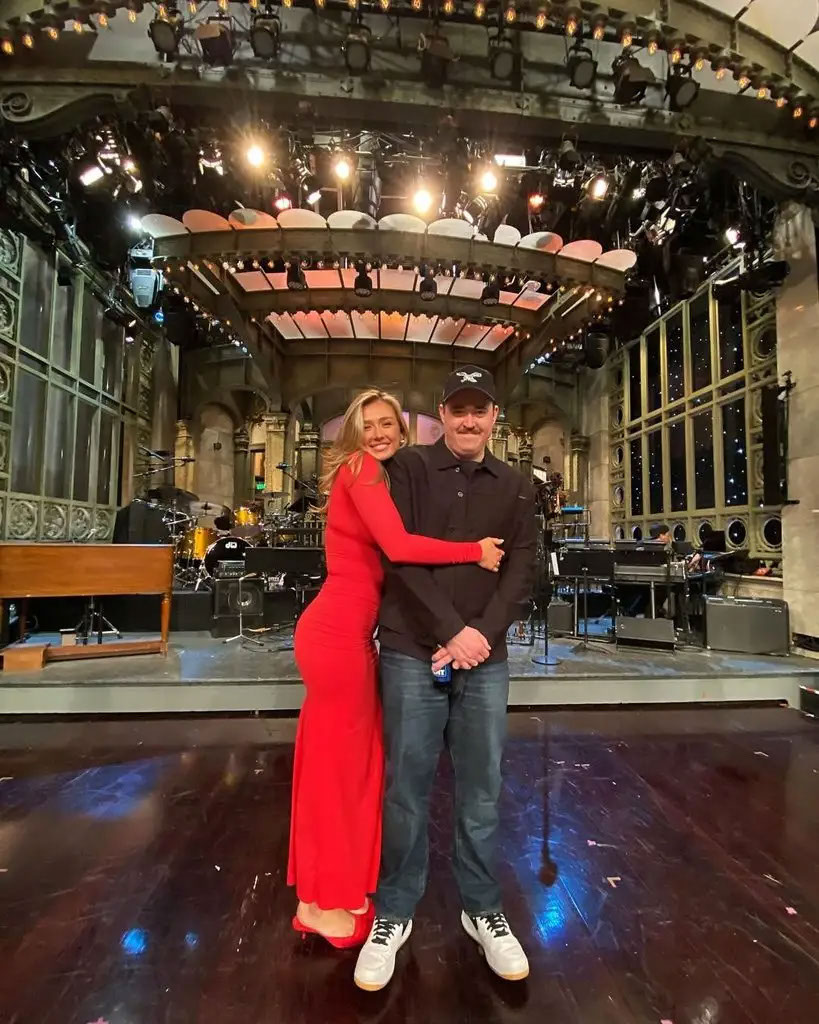
Gillis responded to Brassel’s claims with a brief statement. “Grace and I had some good times together,” he said. “Breakups are tough, and I wish her the best.”
The comedian first drew national attention in 2019 when he was briefly hired by “Saturday Night Live” and then fired before ever appearing on air, after past podcast remarks surfaced in which he used racist and homophobic slurs. He spent years rebuilding his career through stand-up and podcasting before NBC brought him back as a host this year.

Brassel’s essay landed as Gillis was enjoying his highest-profile platform yet, turning personal grievance into a public referendum on his persona. The high-fives from strangers suggest at least some audience members see her as a whistleblower rather than a scorned ex.
She remains circumspect about his future. “I wanted to share this to help other women and encourage people to stand up for themselves,” she repeated, framing the ongoing attention as a net positive for accountability.
Gillis has continued performing stand-up dates and releasing podcast episodes since the monologue controversy erupted.