

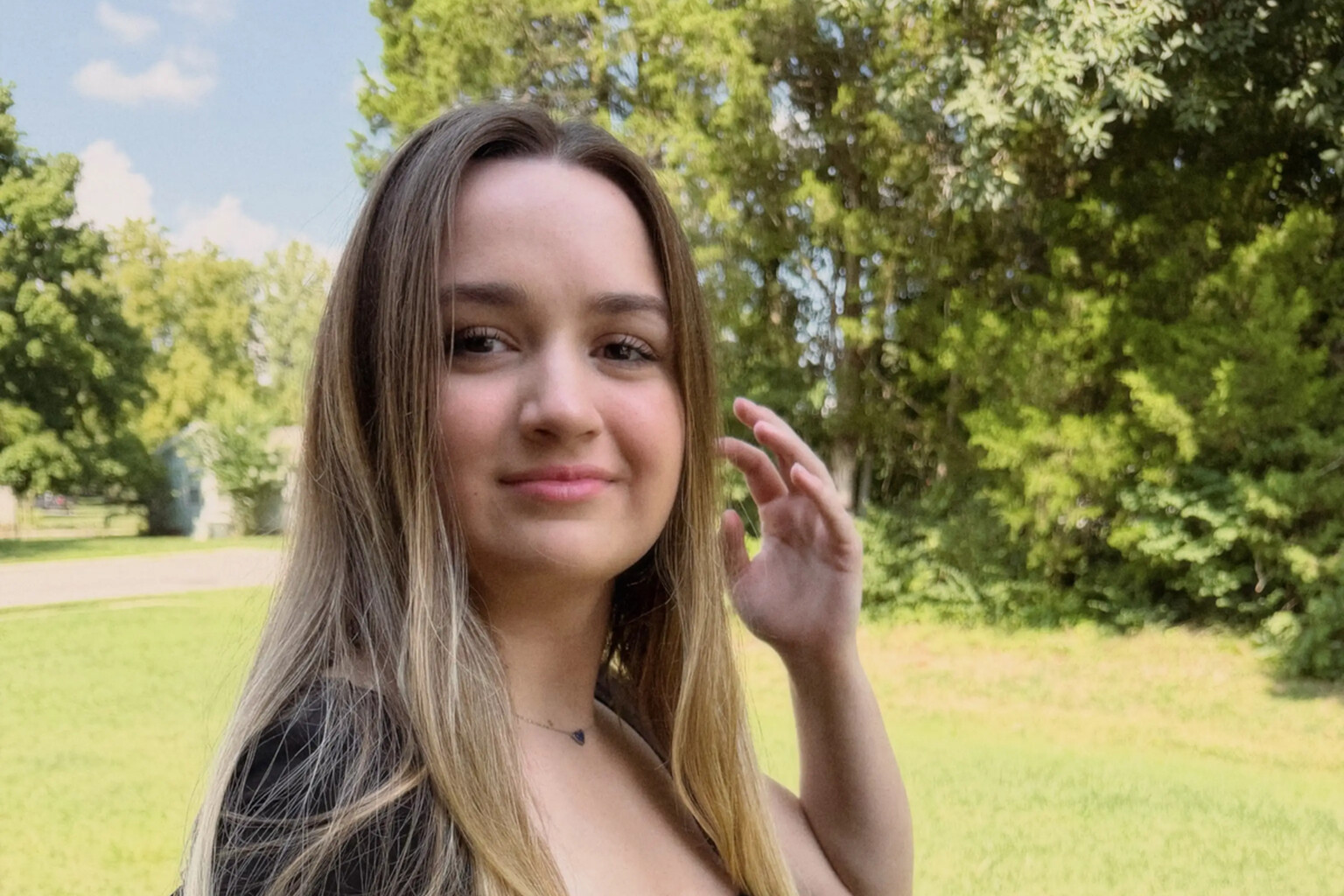
Katie Clem, mother of viral meme star Chloe Clem, has opened up about the financial guilt and complicated legacy of her daughter’s decade-old internet fame.
The Utah mother said in a new interview that her family was “so poor” when the now-iconic clip first spread online in 2011. Chloe, then two years old, became known worldwide as “Side Eyeing Chloe” after her visibly unimpressed reaction to a surprise Disneyland trip was captured on video.
Katie, who managed the family’s social media presence as the meme took off, said the income arrived at moments of genuine desperation. “10 years ago, we were so poor. This happened to us and we’re like, ‘What? We can pay bills. We can upgrade our tiny apartment for the four of us,'” she recalled. “It was real-world issues. That money literally helped us survive for a decade. Every ounce of the money, aside from saving it and putting it away, was helping us get through our life — rent, bills, food.”

She noted that her husband, David, lost his job multiple times during the years that followed, and the meme’s earnings repeatedly kept the household afloat. Though Katie does not consider herself religious, she described the timing as something like “divine intervention.” “Because it came to us at very, very vulnerable times in our life throughout the last 10 years,” she explained.
Now 14, Chloe bears little resemblance to the skeptical toddler millions recognize. The family has leveraged their retained ownership of the original image into continued revenue, including sponsorship arrangements with brands such as Google Pixel. In 2021, they sold the image as a non-fungible token for approximately $74,000.
The teen has traveled internationally with the proceeds, visiting Brazil twice — trips her mother described as personal highlights. “She’s so famous in Brazil. I don’t know how or why,” Katie added.
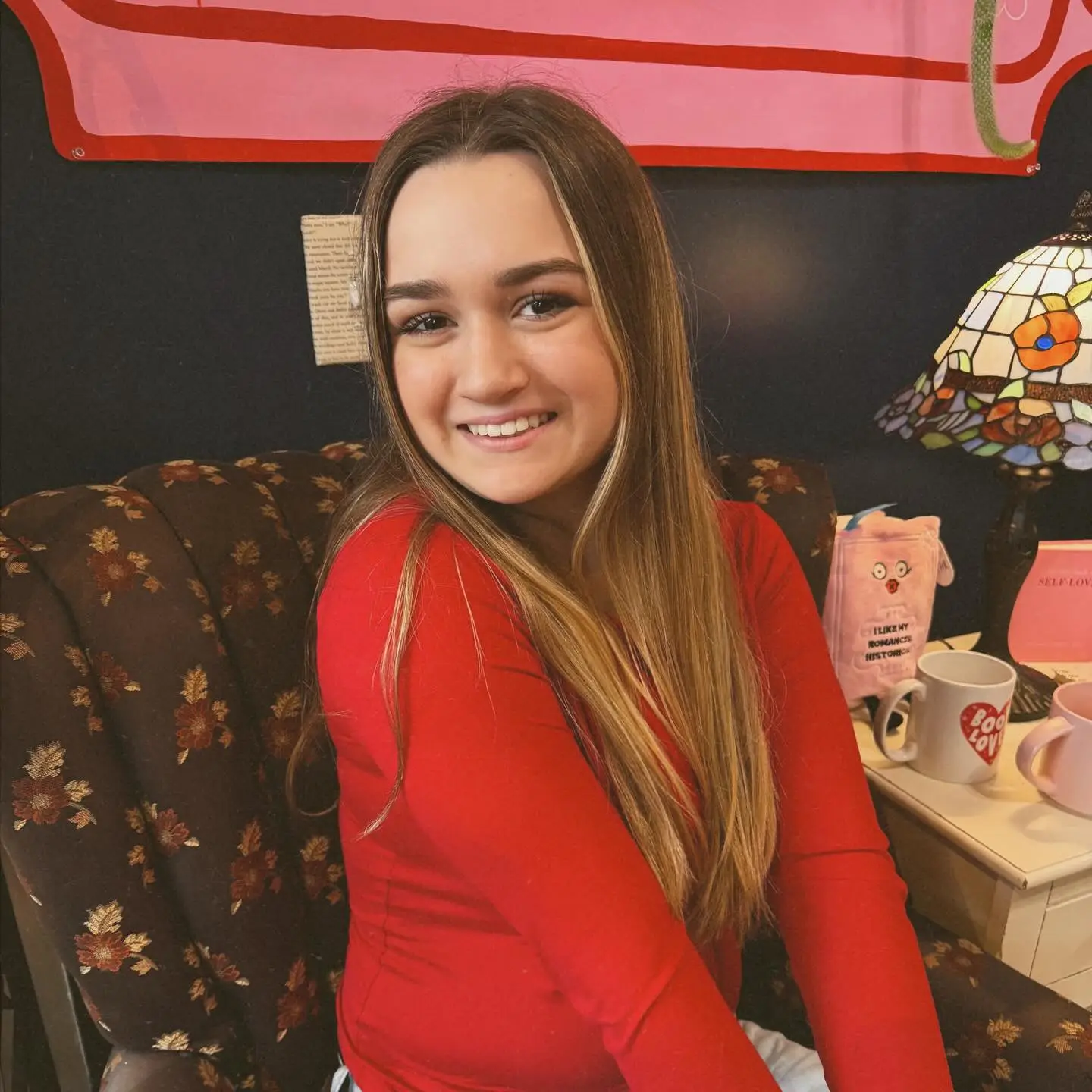
The financial relief, however, carries emotional weight. Katie acknowledged feeling what she called “a lot of guilt” about building a family vlogging channel around her children during the peak of Chloe’s visibility. The demand for constant content grew intense as audiences sought regular updates on the family’s daily lives across platforms.
“It kind of just took a turn toward the end, and I just was like, ‘I don’t think I want this much exposure with my kids,'” she said. “Once they got a little bit older, I was forcing them to do things and I could tell they were bored. I could tell they were tired, and I’m like, ‘Okay, we’re done.'”
The original 2011 video captured Chloe in the back seat of her parents’ car as Katie and David revealed a surprise trip to Disneyland. While her older sister Lily burst into excited tears, Chloe fixed the camera with a deadpan, distinctly unimpressed stare. The contrast between the siblings’ reactions proved irresistible to early-2010s internet culture, and the clip rapidly circulated across Tumblr, Twitter, and emerging meme-sharing communities. The screengrab of Chloe’s skeptical expression became a shorthand for disdainful disbelief, deployed in countless comment threads and reaction posts throughout the decade.
That single frozen moment eventually became a commodity the family could control and monetize, a rarity in an era when viral children’s images were typically stripped of context and reposted without permission or compensation.
Katie’s reflections arrive as the first generation of viral meme children reaches adolescence and young adulthood, with many now reassessing the long-term implications of having their childhood moments permanently archived and commercialized online.