

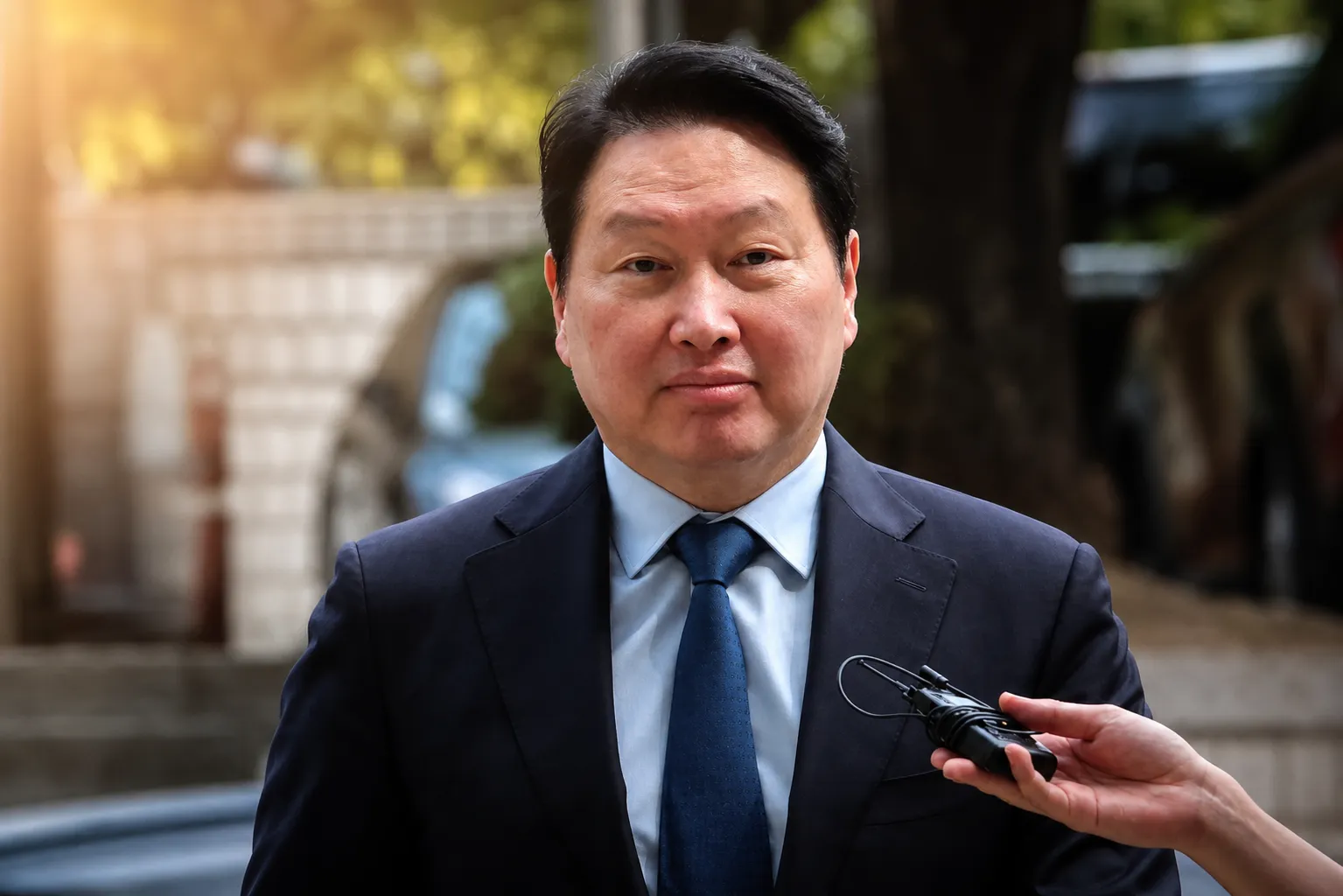
A South Korean court has ordered billionaire SK Group Chairman Chey Tae-won to pay his ex-wife 944 billion won, or approximately $640 million, in what the national media has dubbed the “divorce of the century.” The Seoul High Court delivered the ruling on Friday following a review process ordered by the country’s Supreme Court, bringing a major chapter of one of the nation’s most high-profile and contentious family disputes to a conclusion—though the settlement is not yet final.
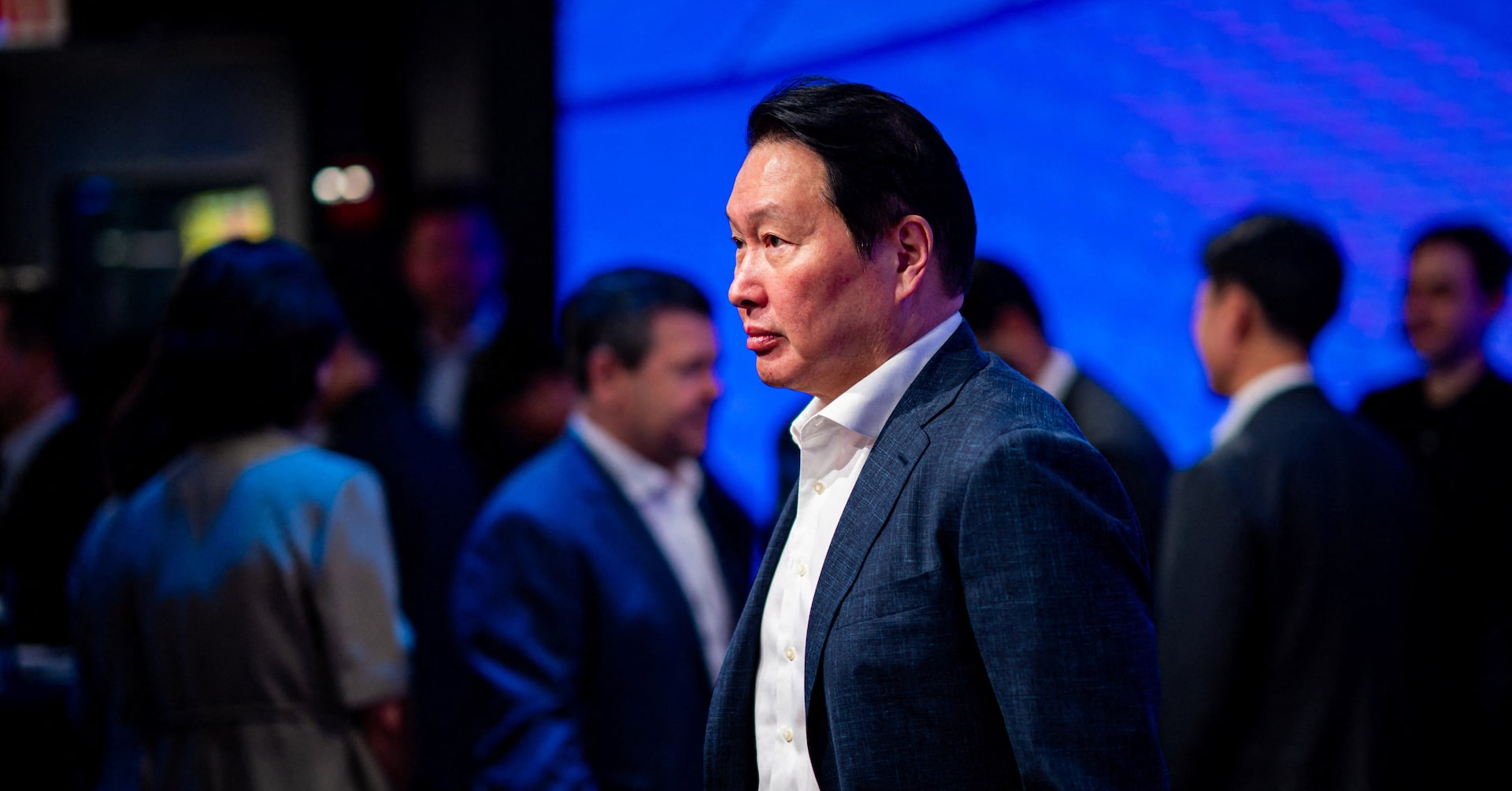
The payment is substantially lower than a previous court order last year that had mandated Chey pay 1.38 trillion won, or about $940 million, to his ex-wife Roh Soh-yeong, the daughter of former South Korean President Roh Tae-woo. In addition to the property division payment, Chey was previously ordered to pay 2 billion won, roughly $1.3 million, in alimony.
The reduction came after the Supreme Court in October overturned the earlier ruling, finding a fundamental flaw in how the lower court calculated the couple’s joint assets. Specifically, the higher court determined that a 30 billion won fund allegedly provided by former President Roh Tae-woo to support SK Group’s growth could not legally be counted as part of the marital property. The Supreme Court ruled that the fund appeared to have originated from bribes illegally received during the former president’s tenure, and therefore had no legal standing in asset division proceedings.
Without this contested contribution counted toward the marital assets, the appellate court was tasked with recalculating the division between the couple. The latest ruling determined that Roh was entitled to one-third of the couple’s property while Chey retained the remaining two-thirds.
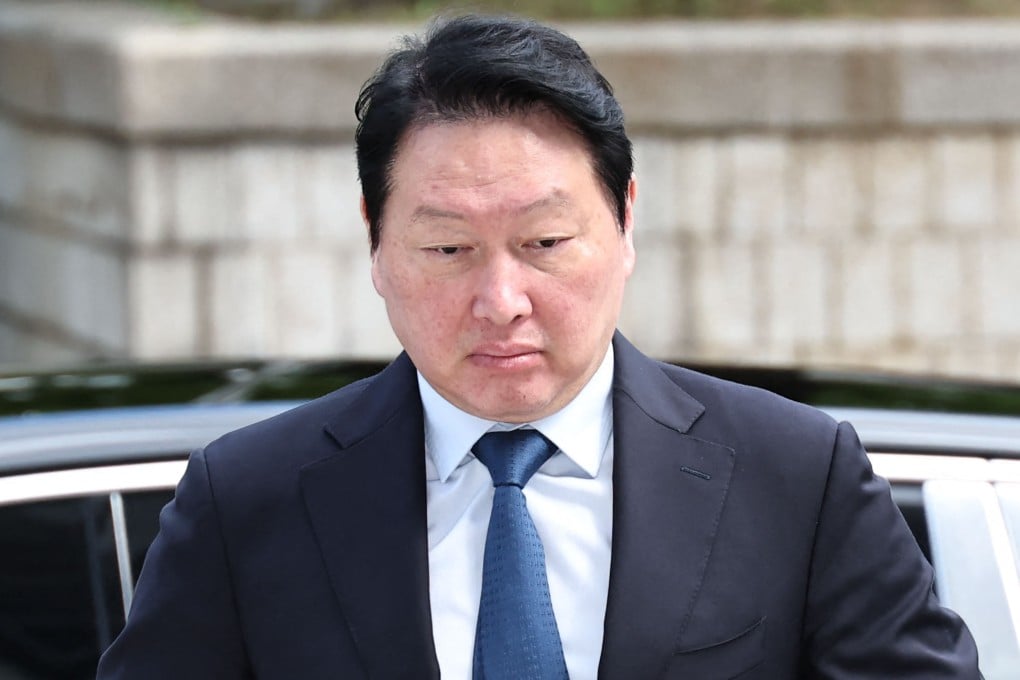
The case has stretched across nearly a decade of legal battles. Chey announced the couple’s separation in 2015 through a letter to South Korean media, simultaneously revealing that he had fathered a child with another woman. He filed for divorce in 2017, but mediation efforts failed, and the dispute entered the court system, where it has remained contentious ever since. Roh initially rejected the divorce, hoping to preserve the family for their three children, but later filed a counterclaim demanding 42 percent of Chey’s SK Group shareholdings and substantial alimony.
The case has captured extraordinary public attention partly because of the figures involved. Chey, 65, is the chairman of SK Group, South Korea’s second-largest conglomerate, and also chairs SK Hynix, the world’s second-largest memory chipmaker. Roh, 65, is the director of an art museum and the daughter of a former president, uniting two prominent political and business dynasties when they married in 1988 at South Korea’s presidential Blue House in what was hailed as the “wedding of the century.”
The financial stakes of the divorce have been amplified dramatically by market movements in recent months. SK Hynix shares have surged with the global artificial intelligence boom, more than doubling Chey’s net worth over the past year. According to the Bloomberg Billionaires Index, Chey is now worth approximately $5.6 billion. The company has emerged as a critical supplier of high-bandwidth memory chips used in AI data centers, particularly for industry leader Nvidia, positioning it at the center of the global AI supply chain. In May, SK Hynix topped a $1 trillion market valuation and completed a blockbuster U.S. listing, raising $26.5 billion.
The timing created a complication for the retrial. SK shares were valued at approximately 160,000 Korean won in April 2024 when the original appellate trial closed, but the stock price had risen significantly by the time arguments concluded in the new trial. The court acknowledged this dramatic appreciation but ruled that recent share price increases reflected Chey’s management contributions, limiting the adjustment it would make to the property division ratio in light of these gains.

Chey’s legal team stated through his attorney that the billionaire felt sorry for causing public concern through the divorce proceedings and indicated they would consider whether to appeal after reviewing the full court judgment. The settlement is not yet final, as either party may refer the case back to the Supreme Court if they choose to appeal.
The case has raised broader questions about corporate governance in South Korea, as the dispute touched on whether Chey’s controlling stake in SK Inc., the group’s holding company, could be considered marital property subject to division. The ruling’s emphasis on his managerial contributions in limiting the adjustment to the settlement has provided some relief to concerns that a massive payout could have forced Chey to liquidate shares and potentially lose control of the conglomerate.