


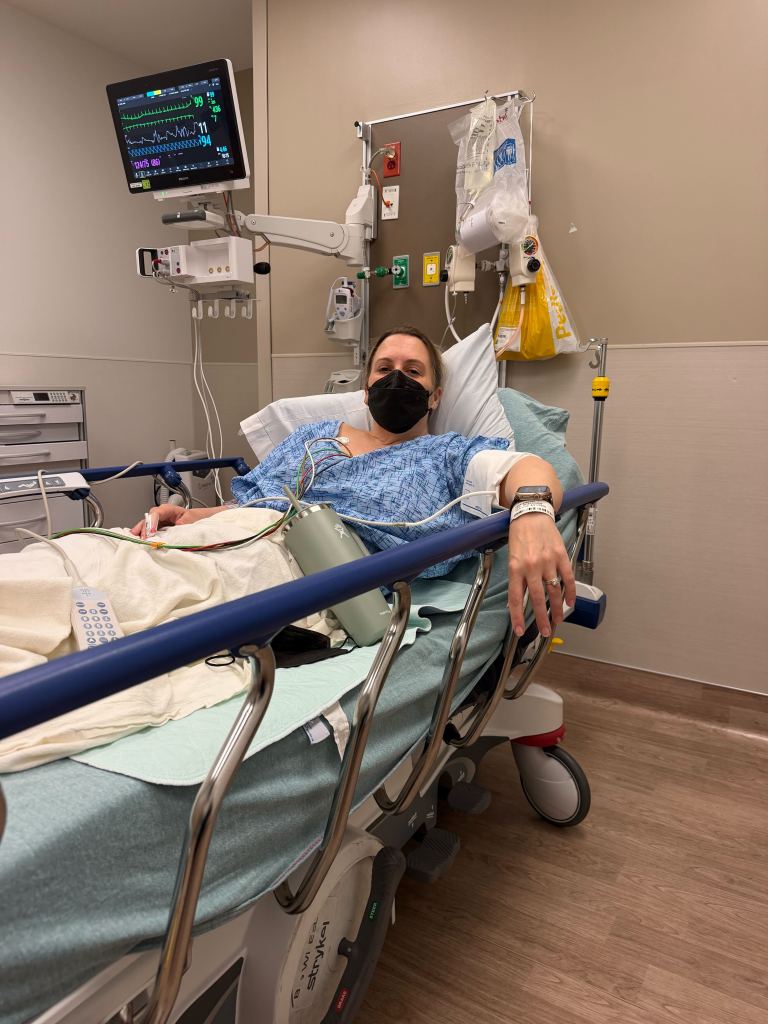
Anika Atkins, a new San Juan Capistrano resident, has been diagnosed with asthma and hospitalized with atypical pneumonia just two months after moving near an expanding Orange County landfill.
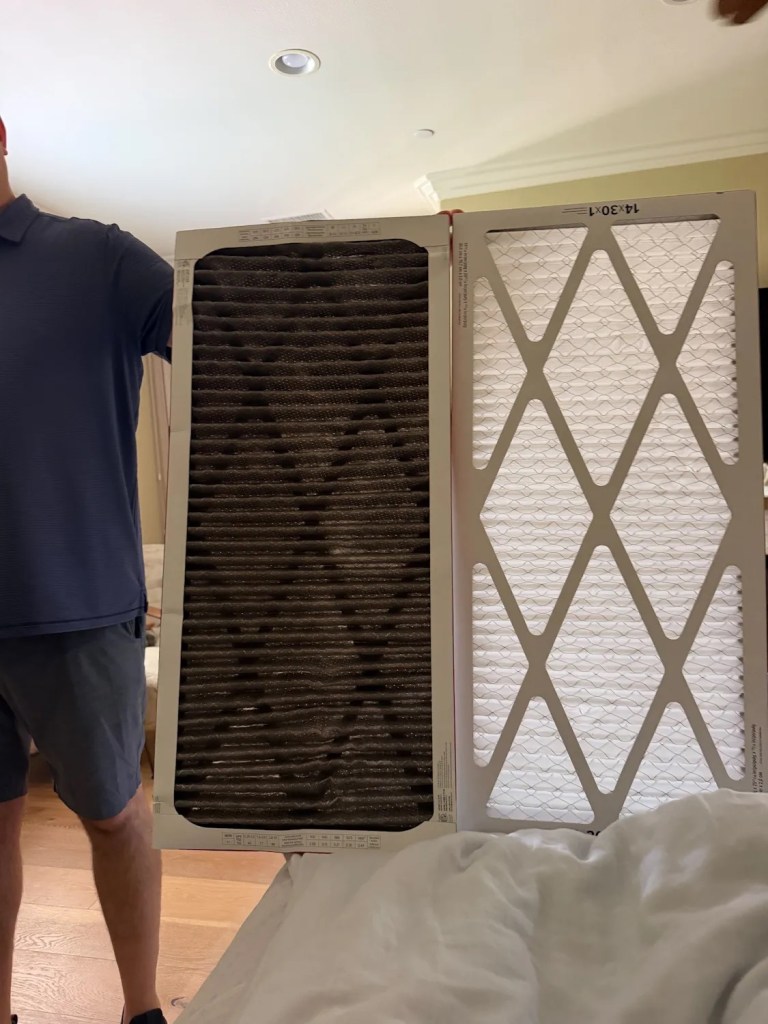
Atkins, who uses a wheelchair for her daughter, settled in the scenic coastal city in May believing she had found a home with greater safety and accessibility. By July, air filters in her house were filling with dirt and her respiratory health had collapsed. “I’ve never had any kind of bronchitis, any kind of issue with my lungs, so that wasn’t even on my radar. I didn’t even really think about the landfill,” she told Voice of OC. “That’s kind of scary. That just isn’t something I expected.”

Her case has become a rallying point for neighbors fighting a proposal to double the Prima Deshecha Landfill’s daily trash intake from 4,000 tons to 8,000 tons. The facility currently receives roughly 2,600 tons daily, but county officials want to prepare for the eventual 2036 closure of the Olinda Alpha Landfill in Brea, which would redirect waste to Prima Deshecha and the Bowerman Landfill in Irvine.
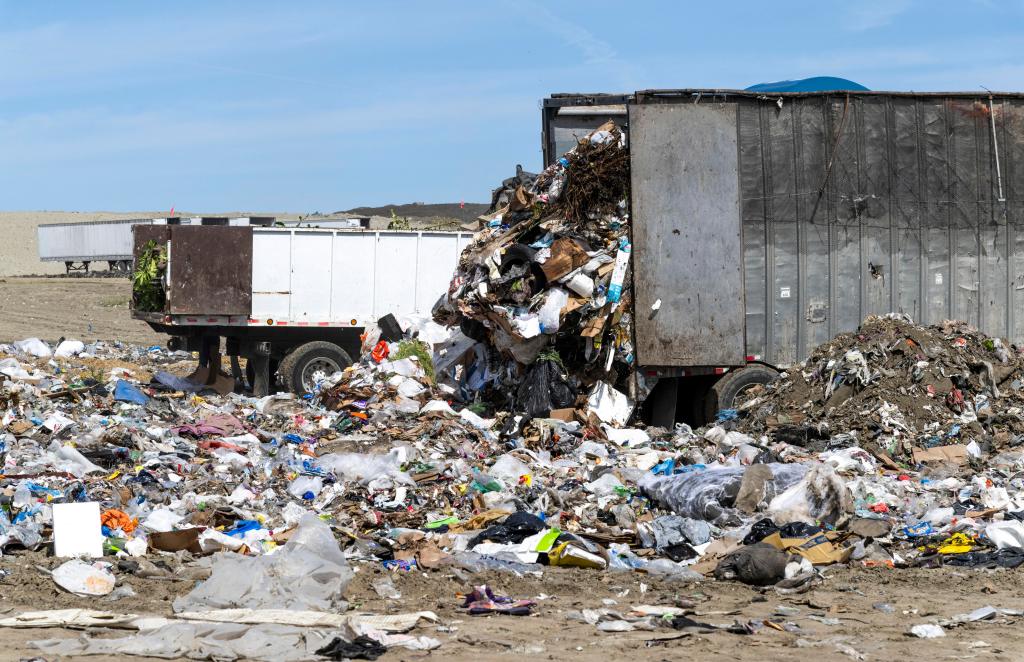
County supervisors have already approved the physical expansion itself, and hillside blasting and excavation are now underway to carve out additional space for waste disposal. Residents say this construction has sent plumes of dirt drifting into their neighborhoods, coating patios, clogging air filters and triggering coughing fits, irritated eyes and other respiratory symptoms. Those accounts do not establish that landfill operations caused the illnesses.
Ellen Vinck, president of the Rancho San Juan Homeowners Association board, said living near the landfill had once been relatively uneventful. “I knew they were there when we moved in here,” she told Voice of OC. “But it wasn’t like this.”
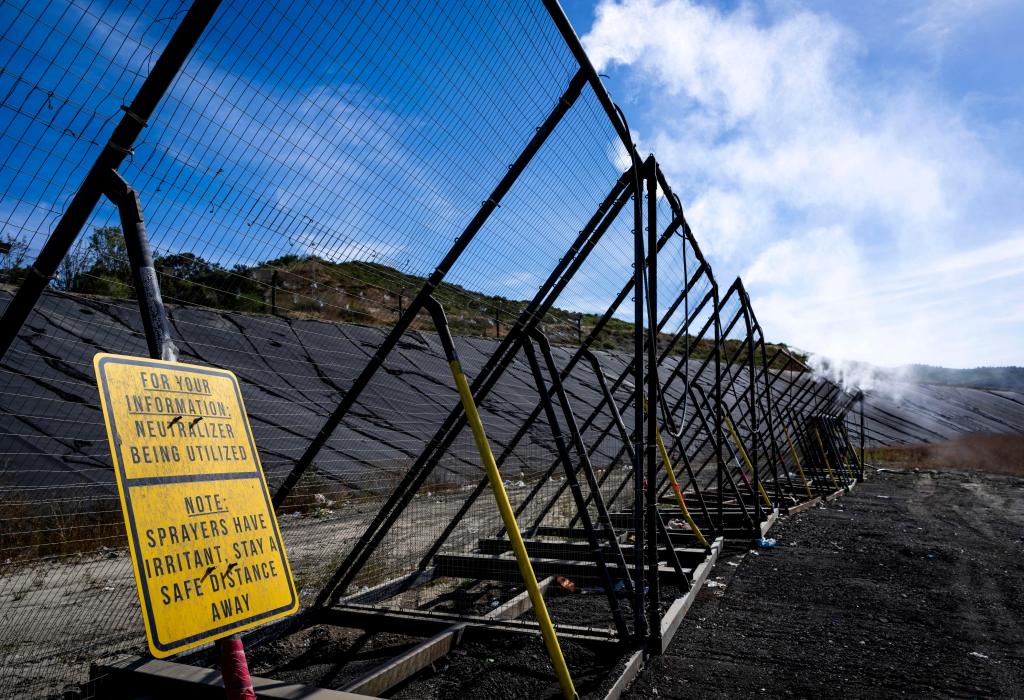
Since the hillside work began, Vinck said, dust has settled over her backyard pool, patio and plants, forcing repeated cleaning. The homeowners association has faced additional expenses including storm drain repairs, while street sweeping has left muddy trails along neighborhood roads.
Sonya Stockwell, who has lived in the surrounding area for more than three decades, said both of her dogs began coughing after expansion work started. “One of them, he’s three, the youngest one. The other we’ve had for like maybe 12 years … they got the cough at the same time,” she said. “I have air filters in every room in our house, and they get pretty dirty.”
Tracy Sutherland, an organizer opposing the proposed increase in waste deliveries, told Voice of OC she worries about her son practicing baseball at a nearby high school. “My son is practicing baseball and all around the dugouts and everything there’s a thick, thick dust,” she said. “I’m worried because my kid could possibly be breathing all these plumes of dirt that I see flying into this community.”

Sutherland and other residents are demanding independent third-party air quality monitoring before the county allows additional trash deliveries.
Hundreds of people submitted objections earlier this year, describing odors, airborne dust and debris on La Pata Highway. “Our community is already experiencing significant negative impacts. These include ongoing air quality disturbances, persistent and strong odors, and debris from landfill operations obstructing La Pata Highway,” San Juan Capistrano resident Monique Carroll wrote to county officials. “These conditions pose risks not only to our health but also to our personal safety.”

Approval of the higher daily limit has stalled amid objections from residents and questions from public agencies, including the South Coast Air Quality Management District, San Juan Capistrano officials and the California Department of Transportation. Both candidates running to represent the Fifth Supervisorial District, which includes the landfill, have said the surrounding communities’ concerns require further attention.

OC Waste and Recycling spokesperson Francine Bangert told Voice of OC that three water trucks spray a combined 200,000 gallons daily to suppress dust. “Our team continues to monitor site conditions and evaluate the effectiveness of these measures to determine whether adjustments are needed,” Bangert said in a written response. The department has also considered permanent and portable misting systems, along with other misting options, she added.

A date for supervisors to reconsider the intake increase remains unclear.