


McKenna West broke down on the stand describing how a late-term abortion would have killed the baby she carried.
The 28-year-old Alaska nurse gave emotional testimony Tuesday during a Dallas court hearing on whether a temporary restraining order blocking her from making medical decisions for the critically ill newborn would remain in force. West had fled to Texas to carry the pregnancy to term against the biological parents’ wishes.

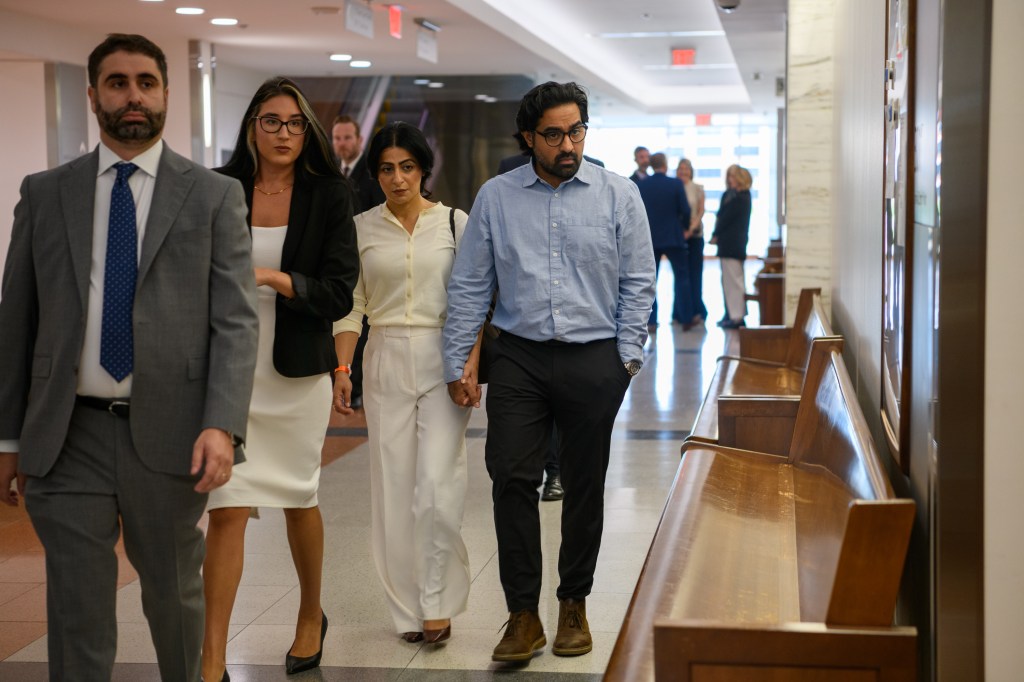
“I knew that I wanted to protect him and I knew he deserved to be protected,” West told the court.
She tearfully detailed the procedure she had contractually agreed to undergo but ultimately refused. West described a two-day process that would have ended the pregnancy after 20 weeks.
“It would have been a two-day procedure…they would have injected his heart with a solution that would stop it,” she said while tearing up.
Two days after that injection, the fetus would have been removed, she continued.
West called the prospect of termination at that stage “terrifying.” The biological parents had wanted the abortion after learning the baby had a life-threatening but treatable heart condition.


The court was weighing whether to uphold the temporary restraining order that stripped West of decision-making authority over the infant she gave birth to. The hearing marked the latest flashpoint in a multistate legal battle that began when West left Alaska for Texas to escape the abortion requirement in her surrogacy contract.
West gave birth in Dallas last month after fleeing across state lines to avoid termination. She later claimed the baby was “ripped away” from her roughly 60 seconds after delivery as the custody fight erupted in earnest. The biological parents have since sued her for what they term “outrageous conduct” and are demanding a six-figure sum in damages.
The case has drawn intense scrutiny from fertility lawyers and reproductive rights observers, who note it tests the boundaries of surrogacy contracts and state jurisdictional conflicts. Texas’s more restrictive abortion landscape became West’s destination of choice once she resolved to carry to term.
Tuesday’s hearing did not produce an immediate resolution to the restraining order question.