

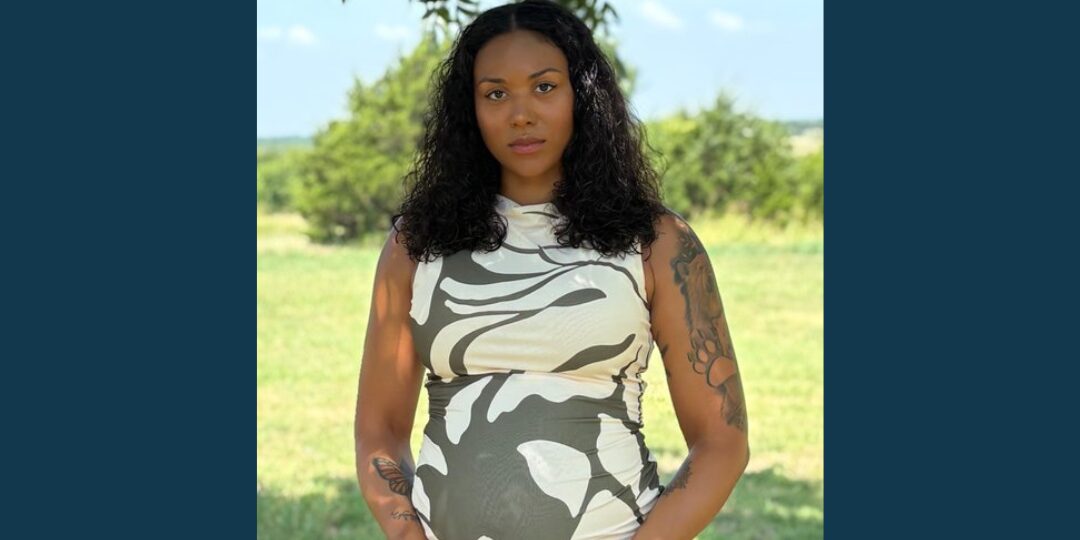
A surrogate mother from Alaska has become the legal birth mother of a baby boy with a serious heart condition after refusing to terminate the pregnancy at the request of the biological parents and traveling to Texas to seek protection under state law.
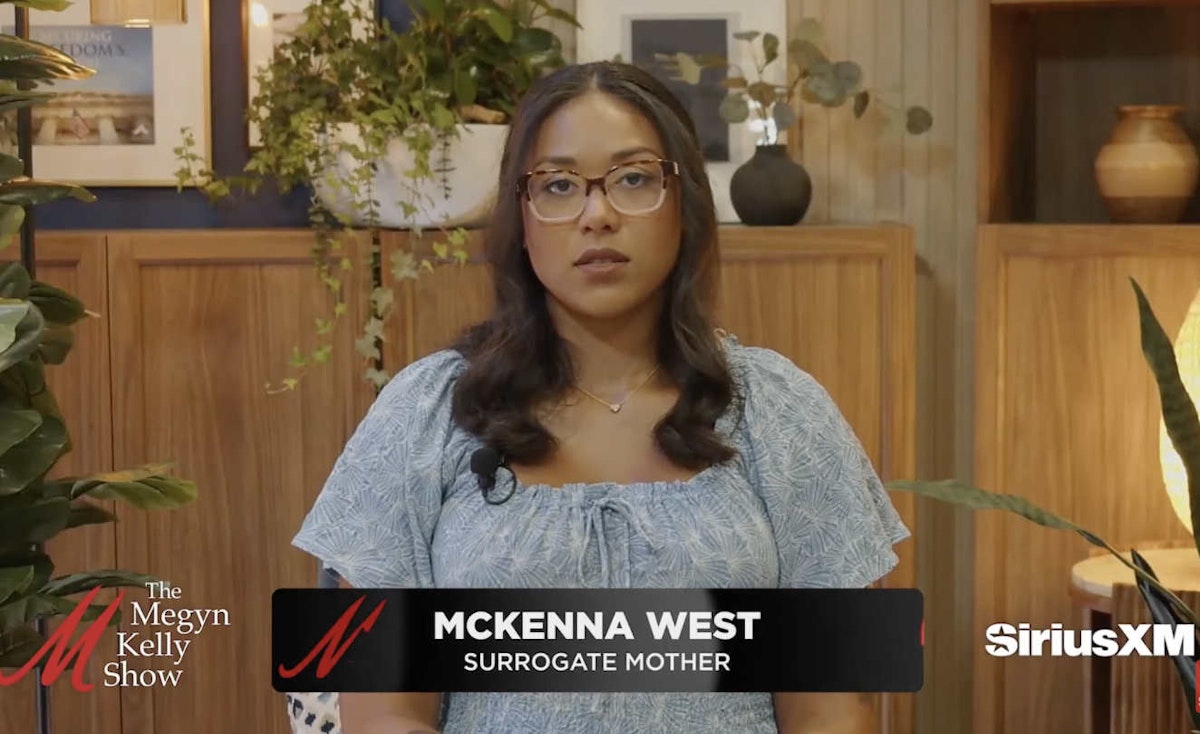
McKenna West, a 36-year-old nurse and single mother of two, entered into a surrogacy agreement through Worldwide Surrogacy Specialists with a California couple identified in court filings as Nausheen Gilkar and Omar Ahmed. Everything proceeded smoothly until a 20-week ultrasound in April revealed that the baby carried a diagnosis of hypoplastic left heart syndrome, or HLHS, a severe congenital heart condition in which the left side of the heart fails to develop properly.
After receiving the diagnosis, the biological parents allegedly invoked an “abortion on demand” clause in the surrogacy contract and demanded that West terminate the pregnancy. West, however, refused. She explained to Megyn Kelly that she felt the diagnosis, while serious, was not hopeless. “It’s not this hopeless diagnosis whatsoever. And that’s part of why I want to fight so hard for this little guy. He absolutely can go on to live a full life and he deserves that opportunity,” she said.
HLHS is a life-threatening condition that requires immediate surgical intervention after birth. The standard treatment involves three staged procedures beginning with the Norwood operation performed shortly after birth, followed by two additional surgeries within the first three years of life. Without treatment, infants with HLHS typically do not survive beyond the first week of life. However, with surgical intervention, survival rates have improved significantly, with estimates suggesting approximately a 70 percent chance of survival with modern medical care.
West faced an immediate practical obstacle to her refusal. When the biological parents formally requested an abortion at 22 weeks gestation, she discovered that no doctor in Alaska would perform a late-term abortion at that stage of pregnancy. She was forced to seek a referral to an abortion center in Seattle and was scheduled for a 24-week procedure in May. Ultimately, she could not go through with it, particularly after her brother offered to support her if she chose to continue the pregnancy and raise the child herself.
Rather than comply with demands to travel to California for delivery, West made a strategic decision to relocate to Texas, where state law recognizes anyone who gives birth in the state as the legal birth mother. This provision of Texas family law offered her legal protection and the ability to make decisions regarding the child’s medical care after birth. She chose Dallas County specifically to be near hospitals with experienced specialists in treating complex congenital heart conditions.
The case caught the attention of Texas Attorney General Ken Paxton, who intervened on August 11. Paxton filed a petition in Dallas County District Court seeking a temporary restraining order to ensure that Gabriel would receive life-saving medical treatment upon birth and remain in Texas to receive that care. Within 24 hours, a judge granted the emergency order. “Baby Gabriel deserves a chance at life, and I will not allow anyone to unlawfully deny him medically necessary care,” Paxton said in a statement.
The court’s restraining order explicitly prohibits anyone from withholding, delaying, or obstructing necessary medical treatment for the child after birth. It also bars his removal from Texas while the case proceeds, though the order allows for transfer to another hospital if medically necessary. Hospitals including UT Southwestern Medical Center and Children’s Medical Center of Dallas were formally notified of their legal obligation to provide emergency life-sustaining care without parental consent or additional court orders.

According to Paxton’s office, the biological parents have refused to consent to the life-saving heart surgery and may have planned to transport the baby to California after birth to make medical decisions under that state’s law. West, by contrast, has publicly stated she would be willing to deliver in California if the biological parents guaranteed that Gabriel would receive the necessary surgical treatment.
The case has highlighted tensions inherent in surrogacy agreements. Under typical gestational surrogacy arrangements, the intended parents hold legal parental rights and make decisions regarding the pregnancy and fetus. However, most states recognize that surrogates retain complete bodily autonomy and can make decisions about their own health during pregnancy. The question of what legal authority exists post-birth when a surrogate gives birth in a jurisdiction different from where the surrogacy agreement was created remains legally unsettled.
West was represented by Lincoln Wilson Davis of First & Fourteenth PLLC, who works with Alliance Defending Freedom, an anti-abortion advocacy organization. Gabriel was born on August 12, according to reports from the organization and West’s legal team. West’s lawyer stated that initial medical assessments showed positive signs beyond the known heart condition, though he declined to specify details regarding the child’s current location or immediate care due to court orders.
Complicating the situation further, a separate court order has prevented West from having contact with the baby following his birth, pending determination of custody and guardianship. The biological parents have sued West in California seeking to force her to travel to that state to deliver and resolve the matter under California law. A court hearing is scheduled for August 25 in Dallas County.
The case represents an unusual collision between surrogacy law, parental rights, prenatal diagnosis, and state jurisdiction. It has drawn support from multiple quarters, including pro-life advocates who view West’s refusal to abort as an affirmation of the value of life despite disability, as well as reproductive rights advocates who emphasize questions about the enforceability of surrogacy contracts and women’s bodily autonomy.
West has spoken openly about the emotional toll of her situation. During her media appearances, she described feeling trapped by the contract initially but ultimately guided by her conviction that the child deserved a chance at life. Her family, particularly her brother, has provided crucial emotional and practical support as she navigates one of the most complex medical and legal situations a surrogate can face.