


Tennessee’s top lawyer refused to guarantee that Christa Pike, 50, will not be put to death again after two failed lethal injection attempts left her hospitalized.
Pike, convicted of the 1995 murder of fellow Job Corps student Colleen Slemmer, had been scheduled to become the first woman executed in Tennessee in over 200 years on September 30. The procedure failed twice, and she is now awake and speaking in hospital.

Her legal team and state attorneys faced off Wednesday in Davidson County Chancery Court over an emergency motion. The defense wants the Tennessee Department of Correction to protect and preserve all evidence from the bungled execution.
“There is no pending execution order for Ms. Pike and there is no allegation that one is coming,” Tennessee Assistant Attorney General William Ayers told the court.
Judge I’Ashea Myles pressed Ayers directly on whether the state would commit to not rescheduling the execution. Ayers replied, “I can’t answer that question.”
Pike’s lawyer, Luke Ihnen, seized on that uncertainty. “The state has made no promises that Ms. Pike will not be subject to future execution,” he said.
He added that they are seeking evidence to be preserved because it would be “relevant for any future challenge she makes.”
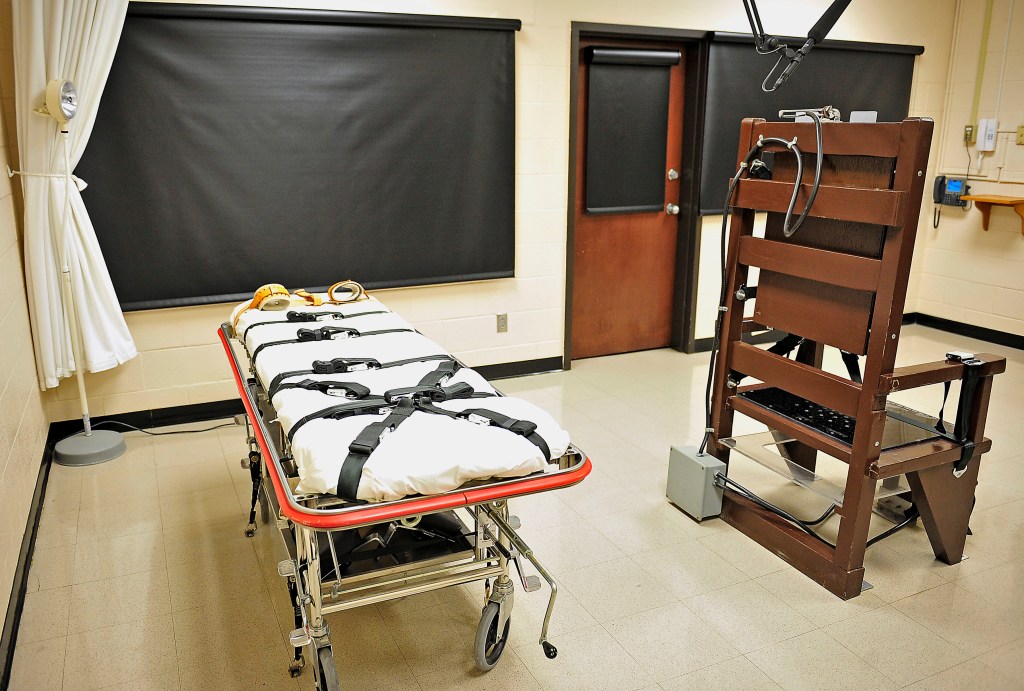
The hearing exposed a legal gray zone with little precedent in modern American capital punishment. Pike survived not one but two attempts to administer lethal drugs, a sequence of failures that her attorneys argue demands documentation and scrutiny.
The state’s refusal to rule out a third attempt leaves Pike in limbo even as she recovers medically. No new execution date has been set, yet the possibility hangs unresolved.
The original case dates to January 1995, when Pike was 18 and enrolled in a Job Corps program in Knoxville. She and an accomplice lured 19-year-old Colleen Slemmer to a remote spot, where Pike beat her with a chunk of asphalt and carved a pentagram into her chest. Pike kept a piece of Slemmer’s skull as a souvenir. She was sentenced to death in 1996.

Pike’s botched execution has drawn national attention to Tennessee’s capital punishment protocols and the physical and legal aftermath when the process goes wrong.