

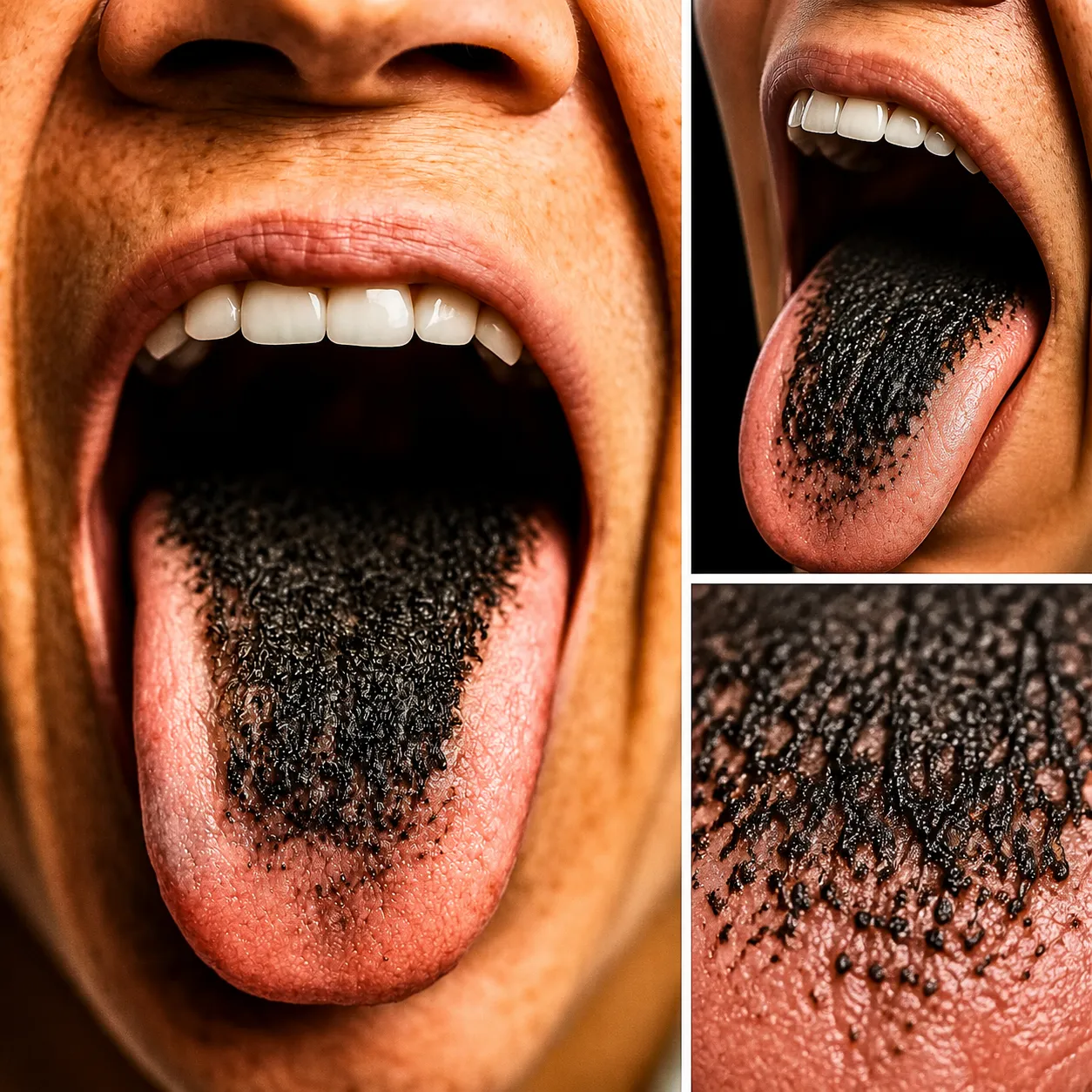
A dental therapist with 13 years of practice experience has gone viral for explaining why a startling tongue condition is far less dangerous than it looks.
Dr. Laura Bailey, 37, who posts as ‘laurasmileclub’ on Instagram, spoke about black hairy tongue, a condition that can leave the tongue looking black, brown, green, or even orange. The London-based dental therapist broke down exactly what causes the alarming appearance and why sufferers have nothing to fear.
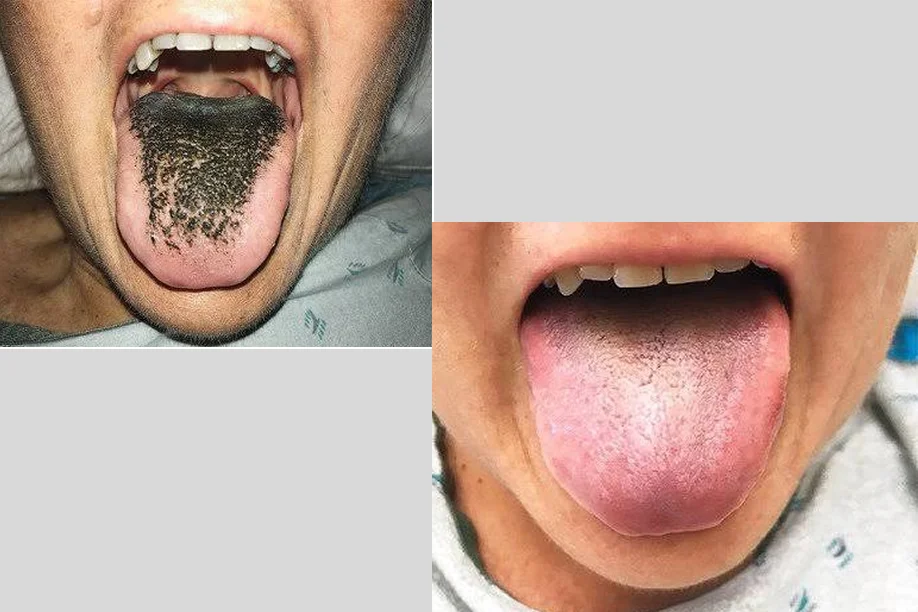

Bailey said the condition develops when the small structures covering the tongue, called papillae, fail to shed dead cells as they normally would. “Normally, when you eat and drink, the friction created with your saliva helps to shed old, dead cells from the tongue,” she explained. “When something interrupts that cycle — and there are lots of different things that can cause it — dirt, bacteria, staining and yeast can become trapped in these cells, which have essentially continued growing rather than being shed.”
“This creates a coating that looks like hair,” Bailey continued. “It isn’t actually hair, but it can look very much like it.”
The dental therapist identified several common triggers for the condition. Broad-spectrum antibiotics, including doxycycline, rank among the most frequent culprits because they alter the balance of bacteria inside the mouth. Dry mouth also contributes, with smoking, vaping, dehydration, and excessive tea and coffee consumption among the potential factors. Bailey noted that overusing peroxide-based mouthwash can disrupt the oral microbiome, meaning attempts to clean the mouth too aggressively could potentially prolong the problem.
Despite its name, black hairy tongue does not always appear black. Bailey explained that the color depends heavily on diet and habits. “If you’re a smoker, for example, it’s probably going to look black,” she said. “If you drink lots of matcha or consume a lot of turmeric, then it can take on more of a green or orange colour.” She emphasized: “So, it’s not necessarily always black. It’s essentially staining.”
Research data Bailey cited suggests between one and 11 percent of people in the UK will experience the condition at some stage, with smokers and vapers facing an increased likelihood. The condition has made headlines in recent years after medication-related cases, including one woman who revealed her tongue turned jet black after beginning Wegovy, and another case reported involving a woman dealing with a black tongue for almost a year despite repeated scraping.

Crucially, Bailey stressed that the condition itself is not considered dangerous. “Even though it can look pretty intense, there’s nothing inherently serious about it,” she stated. Medical literature supports this assessment, with institutions including the Cleveland Clinic describing black hairy tongue as temporary, harmless, and fairly common. The papillae can grow up to 18 millimeters long — roughly three-quarters of an inch — when the normal shedding process is disrupted, creating the characteristic hair-like projections that trap food, bacteria, and dead skin cells.
For treatment, Bailey recommended gentle tongue scraping with a dedicated scraper, maintaining good oral hygiene, staying hydrated, and avoiding excessive peroxide-based mouthwash. Most cases resolve on their own within one to two weeks once the underlying trigger is addressed. Anyone whose tongue remains discolored for a prolonged period should still seek professional advice to establish what may be causing it.
Bailey added a reassuring message for anyone embarrassed by the condition’s dramatic appearance. “I think the biggest thing is that it looks scary and sounds a bit gross, but it’s not hair and it is harmless,” she shared. “There’s nothing to be embarrassed about, so don’t feel like you can’t reach out to a dental professional because you’re embarrassed. We’ve seen it all!”
Social media users had shared alarming photos of their discolored tongues, with many fearing serious illness or infection. The condition’s dramatic appearance — sometimes described as resembling a “black carpet” or “fur” growing across the tongue surface — has made it a recurring subject of viral medical curiosity online. Bailey’s intervention aimed to replace that panic with practical understanding, emphasizing that the “hair” is simply an optical illusion created by stained, overgrown papillae rather than any actual hair growth or dangerous pathology.
The dental therapist continues to post oral health content to her Instagram account, where she has built a following under the handle ‘laurasmileclub.’