

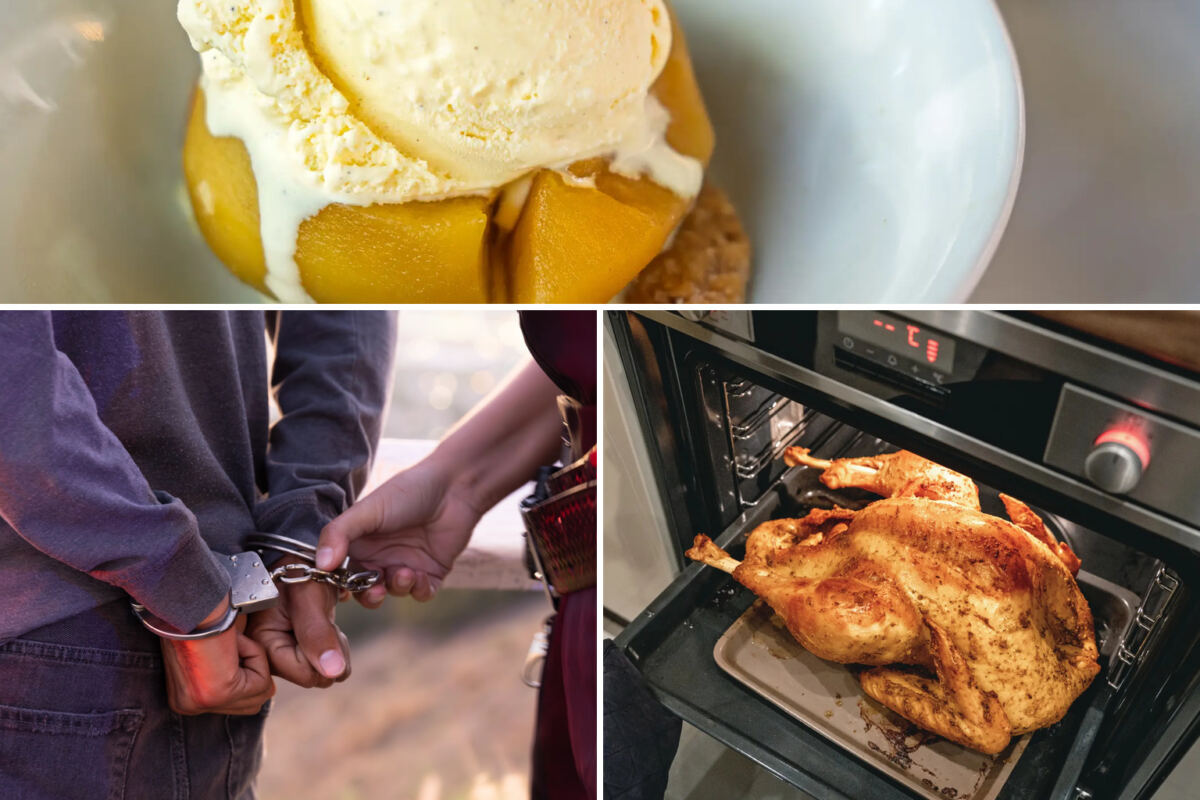
Millions of Americans are sitting down to Thanksgiving dinners today, but a patchwork of odd state laws means the holiday comes with legal quirks that range from baffling to genuinely consequential.
In Minnesota, anyone who tosses a turkey into the air as part of a game or contest is committing a crime that carries real penalties. The state statute explicitly prohibits releasing or throwing a chicken or turkey into the air “wherein the object is the capture of the chicken or turkey,” and violation is a misdemeanor. “A sentence of not more than 90 days or a fine of not more than $1,000, or both, may be imposed,” the law states.
The same Minnesota statute also bans greased-pig contests, lumping both activities together under a single prohibition on carnival-style animal chases.
Alcohol buyers in two Midwestern states need to plan ahead or face a dry holiday. Retail liquor stores in Kansas are barred from selling alcohol on Thanksgiving Day, while Oklahoma forces retail spirits stores to close entirely for the holiday. Licensed grocery and convenience stores in both states can still sell beer and wine, sparing last-minute shoppers complete disappointment.
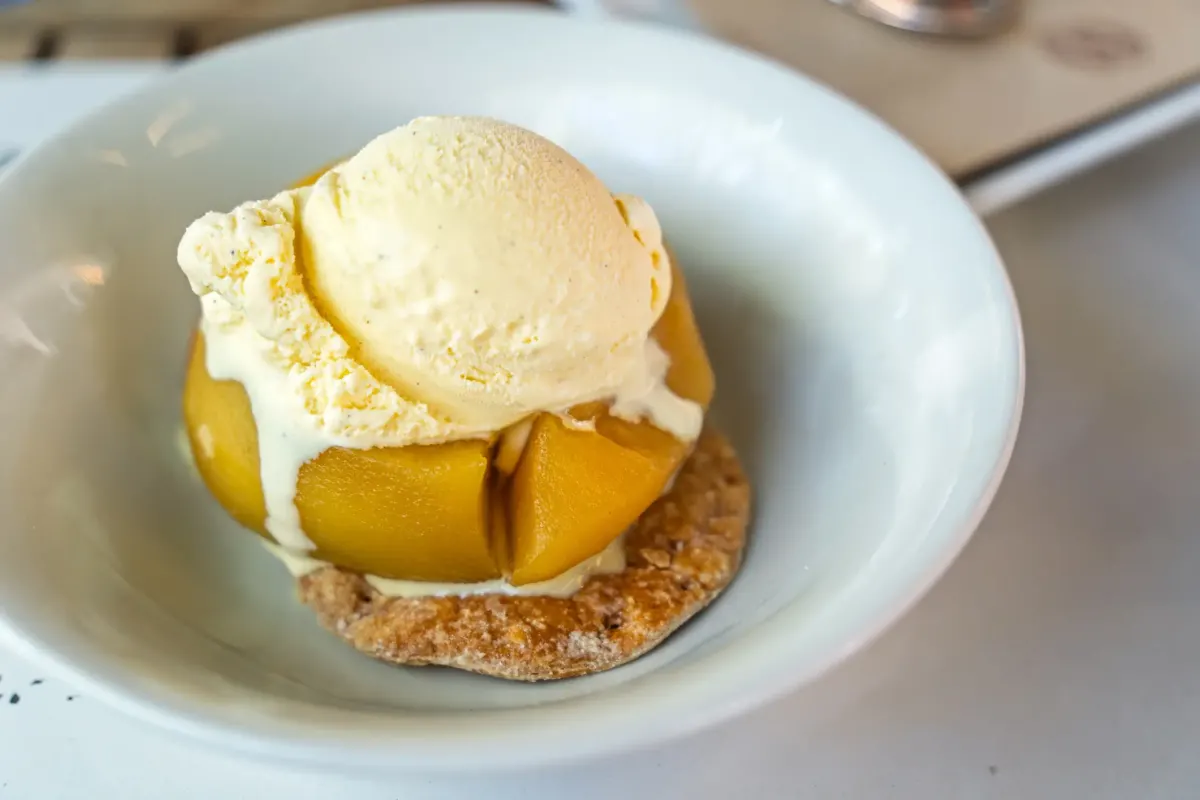
California contributes its own head-scratcher, though this one falls firmly in the category of local legend rather than enforceable code. In Rosemead, a long-running rumor holds that eating ice cream with a fork is somehow against the rules. The claim has been adopted by locals in restaurants and homes, but the city has no actual law on its books banning the practice. The confusion may stem from traditional etiquette: pie à la mode, the classic Thanksgiving dessert pairing, is properly served with a dessert fork rather than a spoon, making the utensil choice a matter of manners rather than misdemeanors.
President Donald Trump spared two turkeys at the White House earlier this week, continuing the annual presidential pardon tradition that dates back decades. The ceremony drew fresh attention to turkey-related regulations just as families prepared their own birds for the oven rather than the air.
The Minnesota turkey-tossing ban stands out as the only regulation among these with documented criminal penalties, transforming what might sound like a prank into a potential jail sentence. The law’s specific language about “released or thrown into the air” suggests it was drafted to target organized events rather than accidental kitchen mishaps.
State-level alcohol restrictions on holidays trace back to blue laws and temperance-era regulations that have loosened in some places while hanging on in others. Kansas and Oklahoma remain among the states where Thanksgiving still triggers mandatory closures for certain license holders, even as neighboring jurisdictions have moved toward broader sales.
The Rosemead ice-cream rumor illustrates how “weird law” lists circulate online and in popular culture, often without verification. Local officials have never enforced fork restrictions, and no citation appears to have been issued, yet the claim persists in travel guides and social media roundups of strange statutes.
Thanksgiving travelers crossing state lines may encounter these rules without realizing them, particularly the alcohol sales limits that can derail dinner preparations. The Minnesota animal-capture ban, by contrast, targets a niche activity unlikely to tempt the average celebrant.
Presidential turkey pardons have grown into a major media event, with this year’s spared birds joining a lineage that includes such names as Peanut Butter and Jelly, Bread and Butter, and Corn and Cob. The ceremony offers a lighter counterpoint to the holiday’s more serious legal landscape.
The White House turkey pardon dates to the Truman administration in formal terms, though the modern tradition took clearer shape under President George H.W. Bush in 1989.