


The United States military said it successfully intercepted multiple Iranian ballistic missiles in an attack on American forces in the Middle East on Tuesday evening, shattering a brief pause in fighting between the two adversaries. All Iranian missiles were knocked down, according to U.S. Central Command, which stated that American forces remain vigilant and at a high state of readiness.
The attack came at 5:45 p.m. Eastern Time, when the Islamic Revolutionary Guard Corps launched what military officials described as a surprise attack targeting U.S. Forces based in the region. Reports indicate the missiles were fired at American positions in Jordan. The strike marked a significant escalation, occurring just days after President Donald Trump had paused military operations to create space for diplomatic negotiations.
Hours after intercepting the Iranian missiles, American and Saudi forces conducted joint precision strikes against Iran-backed militant sites in eastern Iraq. The strikes targeted logistics and weapons facilities allegedly used by terrorist groups directed by the Islamic Revolutionary Guard Corps to attack American forces and Saudi energy infrastructure. A small number of casualties resulted from the joint operation, according to statements from Iraq’s Popular Mobilization Forces, an umbrella organization for Iran-aligned militias.
Saudi Arabia’s involvement in the strikes marked a significant development, representing the first time the kingdom publicly claimed responsibility for launching attacks inside Iraq since the broader U.S.-Iran conflict began. The Saudi Defense Ministry said it carried out limited, targeted strikes in coordination with U.S. Central Command and noted that the kingdom does not seek escalation but will respond to any aggression it faces.
The latest round of military action followed repeated Iranian drone attacks on the region. U.S. Military officials stated that Iraq-based militias had launched more than 30 drone attacks directed by the Islamic Revolutionary Guard Corps over the previous 72 hours against U.S. Forces and Saudi oil facilities. Saudi Arabia said it had intercepted and destroyed several drones that attempted to target petroleum facilities in its Eastern Province and the capital, Riyadh.
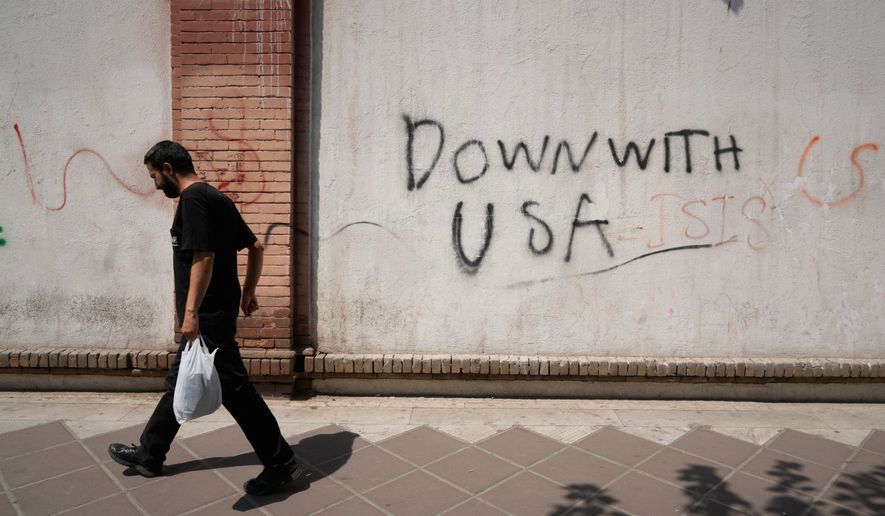
The renewed fighting comes as diplomatic efforts teetered on the brink of collapse. For several days, the U.S. And Iran had maintained a fragile cease-fire, with neither side announcing major attacks while international mediators attempted to restart negotiations. Trump had halted U.S. Strikes on Friday, saying mediators claimed progress was being made in talks and requesting a break in hostilities to allow discussions to advance.
Trump told reporters on Monday that the U.S. Was in deep talks with Iran, though he warned the country that America would resume major military operations if a new agreement was not reached. However, Iran denied it was engaged in direct negotiations with the United States, complicating the diplomatic picture. The discussions have centered on control of the Strait of Hormuz, a strategic waterway through which approximately 20 percent of the world’s oil flows, and Iran’s nuclear program.
The broader conflict has roots in escalating tensions over maritime access. In February, the United States and Israel launched coordinated strikes on Iranian targets, triggering a cycle of retaliatory attacks. Iran subsequently moved to restrict shipping through the Strait of Hormuz, prompting weeks of intensive U.S. Military operations against Iranian positions. After nearly two weeks of nightly strikes, the Trump administration halted operations to explore diplomatic channels.
Iran-backed Houthi militants in Yemen have also intensified attacks on commercial shipping in the Red Sea, threatening another critical waterway off Saudi Arabia’s coast. The group claimed responsibility for forcing a Saudi oil tanker to turn around as part of what it described as a blockade of the Saudi kingdom.
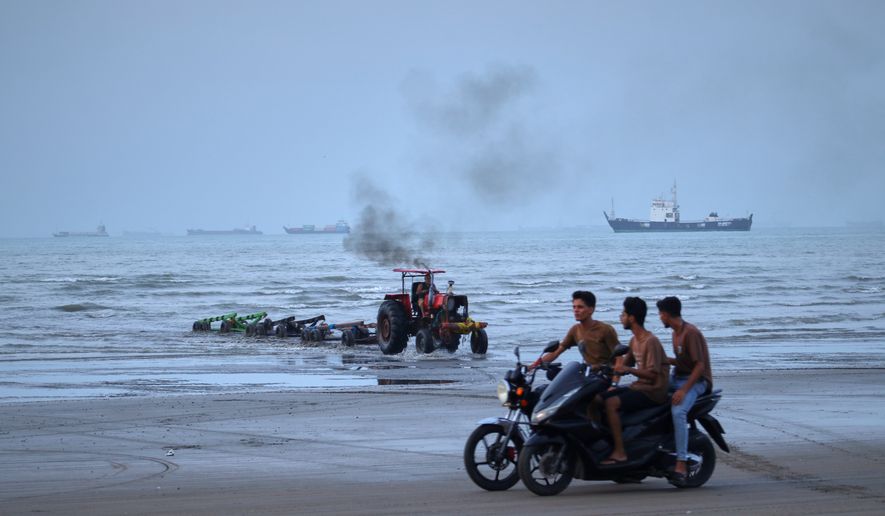
The Pentagon indicated that the U.S. Military has adequate stockpiles to conduct operations, responding to mounting concerns from lawmakers and military analysts about depleting munitions supplies, particularly air defense missiles used to intercept incoming threats. The Trump administration has downplayed these concerns, insisting the military has everything needed to execute operations according to presidential direction.
Regional tensions have drawn in multiple countries and militaries beyond the primary U.S.-Iran confrontation. Trump met with Israeli Prime Minister Benjamin Netanyahu at the White House on the same day as the attacks, reaffirming what Israeli officials described as close coordination on Iran policy and shared commitment to preventing Iranian acquisition of nuclear weapons.
The cycle of escalation and attempted de-escalation reflects the delicate balance the Trump administration is attempting to maintain between military pressure and diplomatic openness. The president has suggested he is considering an even larger military operation if negotiations fail, but he has also indicated willingness to continue talks if Iran demonstrates genuine interest in reaching an agreement. With the pause now apparently broken, officials face the question of whether renewed fighting will make a return to negotiations possible or whether the conflict will expand further across the volatile Middle Eastern region.