

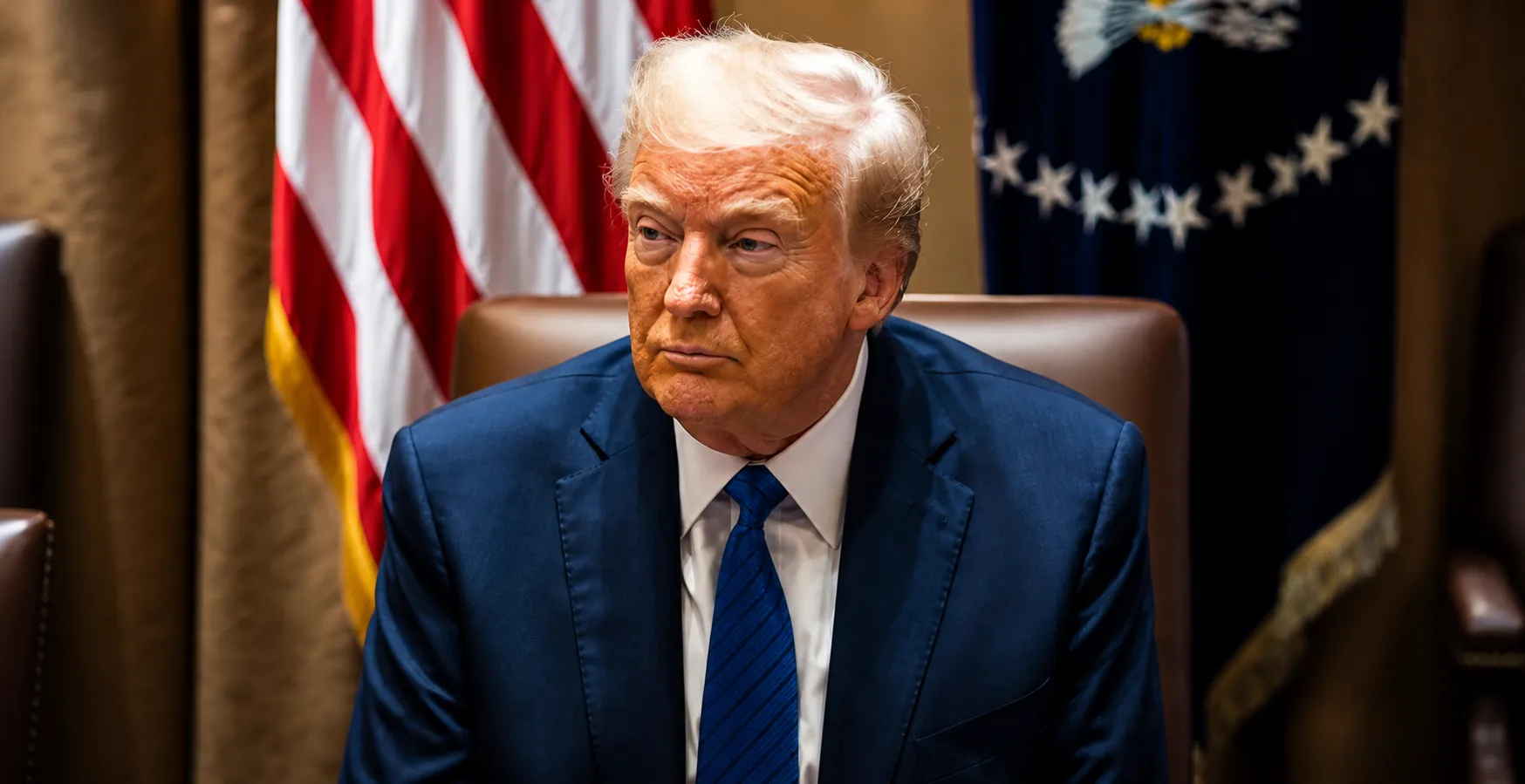
President Donald Trump is set to unveil a sweeping $22 billion overhaul of Washington Dulles International Airport on Wednesday, marking one of the most ambitious infrastructure projects in the nation’s capital region in recent years. The announcement, scheduled for 3 p.m. In the Oval Office, will feature Transportation Secretary Sean Duffy and United Airlines CEO Scott Kirby alongside the president.
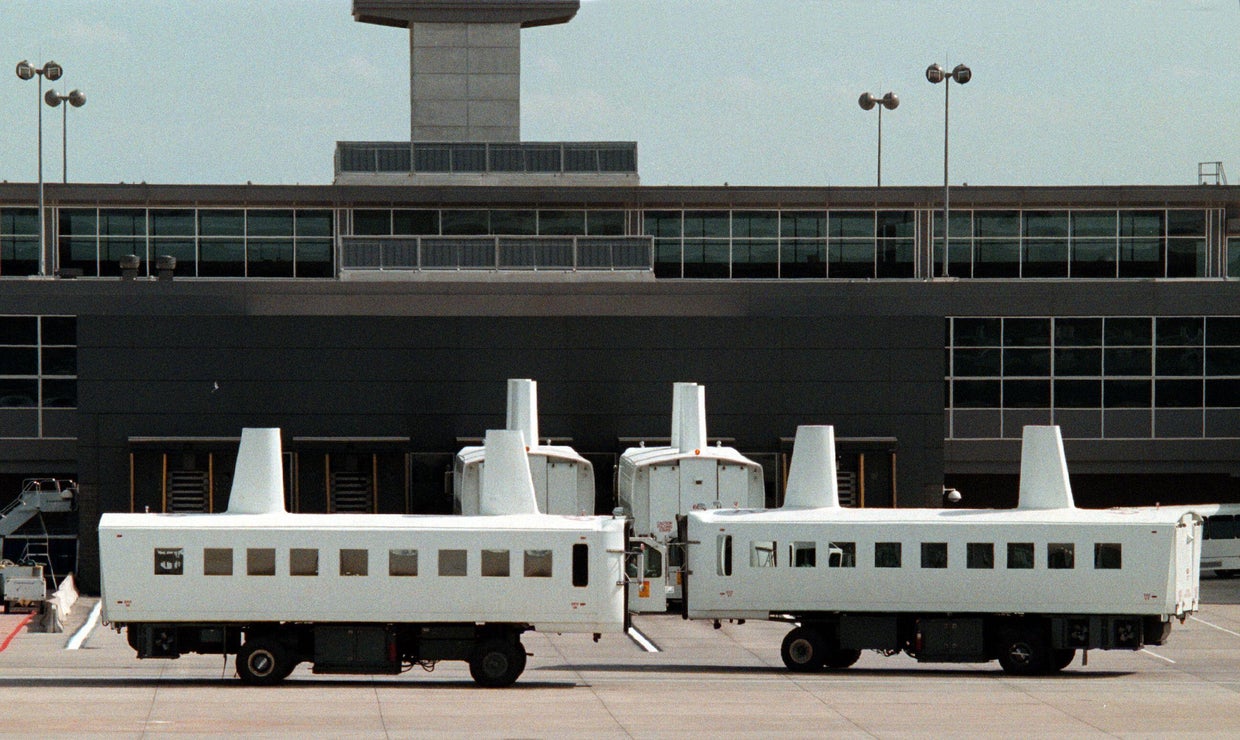
The massive renovation plan addresses long-standing complaints about the airport that Trump has repeatedly criticized. The centerpiece of the redesign is the elimination of Dulles’ signature “people movers” — mobile lounges that have transported passengers between terminals and aircraft since 1962. The wheeled vehicles have become notorious among frequent travelers for being slow, outdated, and unreliable. Last November, one crashed into a concourse dock, sending at least 18 people to the hospital with non-life-threatening injuries.
“It should be a great airport, and it’s not a good airport at all. It’s a terrible airport,” Trump said in December when discussing his plans for the facility. The president has spent months personally overseeing the design process, requesting that competing firms create three-dimensional tabletop models that were shuttled back and forth to the White House for his review and edits. He has vented privately about specific grievances including parking facilities that he said are “two miles away.”
In place of the people movers, the plan calls for a fully built-out underground U-shaped aerotrain system with moving sidewalks to connect all terminals. The project also includes four new concourses to replace the existing infrastructure, expanding the airport by approximately 5 million square feet. The design incorporates large glass windows and gold accents throughout, reflecting the president’s distinctive aesthetic preferences.
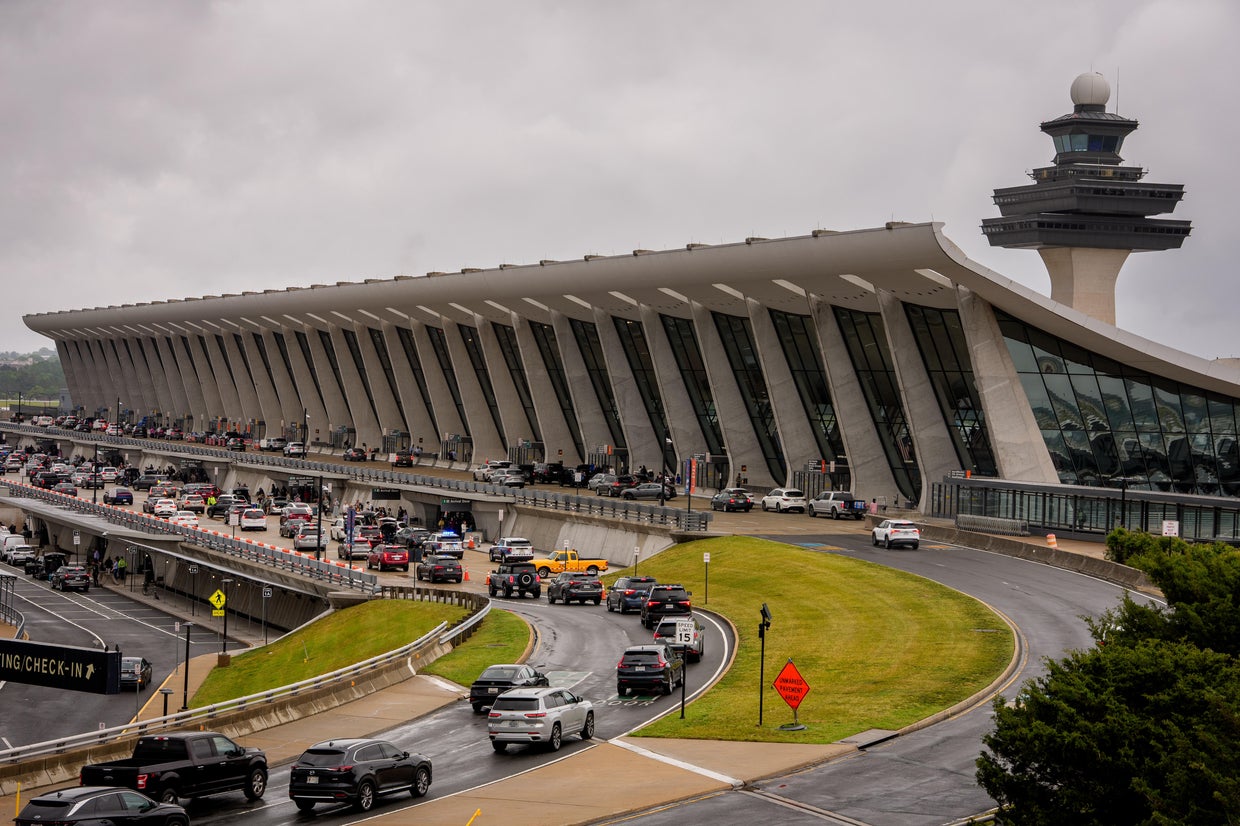
Trump has insisted on preserving the iconic main terminal building designed by renowned Finnish-American architect Eero Saarinen and completed in 1962. Rather than replacing it, the renovation would refurbish the interior with an open foyer and new ticket kiosks. The distinctive sloped-roof structure, which stands as a masterpiece of mid-century modernism, will be maintained as a symbol of the airport’s architectural heritage.
The plan emerged after Trump’s motorcade made an unannounced visit to the airport in October to assess potential projects. In May, Transportation Secretary Sean Duffy confirmed the federal government had been planning a $22 billion overhaul of the facility. The project represents the latest in a series of major construction and renovation initiatives Trump has championed in the Washington region during his second term, including renovations to the White House, Kennedy Center, and various parks throughout the city.
Financing the project presents a significant undertaking. The Metropolitan Washington Airports Authority, which operates Dulles, plans to issue tax-free bonds to fund the roughly $22.5 billion project. United Airlines, which handles approximately 70 percent of the airport’s traffic and uses Dulles as a major hub, has agreed to help pay for the reconstruction through airport operations. The airport authority previously approved a master capital plan in 2025 to spend at least $7 billion overhauling the facility in coming years, but the Trump-backed plan accelerates and expands those efforts substantially.
Dulles, located about 25 miles west of downtown Washington, opened in 1962 and serves as the main international gateway for the national capital region. The airport handled a record 29 million passengers in 2025, up 6.4 percent from the previous year. Despite its importance as a major hub, it has long been the subject of criticism from both passengers and city officials who cite its aging facilities, inefficient layout, and reliance on the outdated people mover system.
The renovation plan addresses numerous operational complaints documented by the Transportation Department, which criticized the airport’s “dated facilities, inefficient system of people movers that deliver passengers as much as a half mile away from their gates,” “moon-rover-like mobile lounges,” jet fuel smell in the concourses, and the paltry number of gates at the main terminal.
One open question surrounding the massive project is how the reconstruction will be funded beyond the bond issuance and airline contributions, and what impact it will have on the cost of flights per passenger. The timeline for completion would need to accommodate the operational demands of one of the nation’s busiest airports, a challenge that requires careful planning and phased implementation. If approved, the proposal represents the most significant modernization effort in Dulles’ history and could potentially transform the facility into a world-class aviation hub while preserving its architectural legacy.