

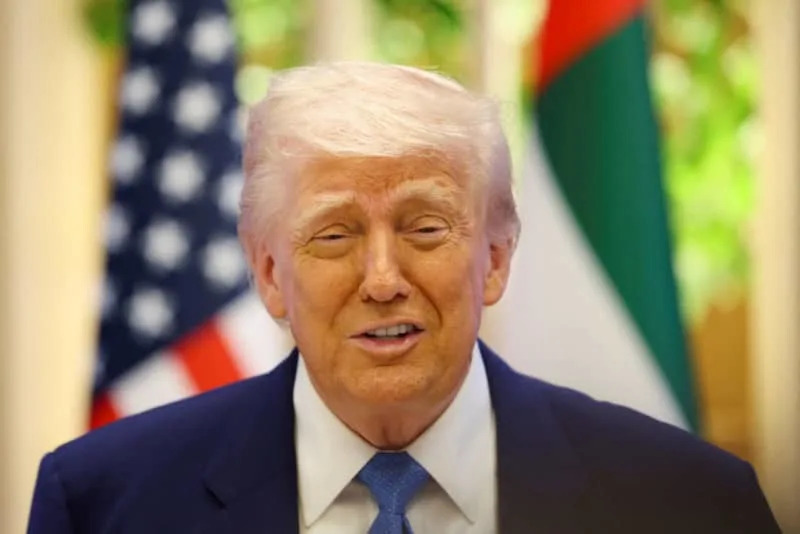
The Trump administration has offered to unfreeze billions of dollars in federal funding for a major New York infrastructure project, but only if Democratic leaders agree to rename two iconic American transportation hubs after President Donald Trump. The unusual proposal ties the release of more than $16 billion earmarked for the Gateway rail tunnel project to renaming New York’s Penn Station and Washington’s Dulles International Airport with Trump’s name.
The offer emerged in early February when the administration approached Senate Minority Leader Chuck Schumer with the conditional deal. The Gateway project aims to construct a new commuter rail tunnel beneath the Hudson River connecting New Jersey and New York while rehabilitating a century-old existing tunnel damaged by Hurricane Sandy in 2012. The tunnel serves more than 200,000 daily travelers and is critical infrastructure for the Northeast Corridor rail system.
Schumer swiftly rejected the proposal, telling the White House he lacked the authority to rename federal transportation facilities. A source close to the senator stated that Trump had “stopped the funding” unilaterally and could “restart the funding with a snap of his fingers,” meaning Schumer’s involvement was unnecessary. The senator and other Democratic leaders called the proposal unprecedented and inappropriate.
The move triggered swift and forceful backlash from Democratic officials in New York and New Jersey. Senator Kirsten Gillibrand called the proposal “ridiculous,” stating that naming rights are not tradable as part of any negotiations. Representative Ritchie Torres, whose New York City district would benefit from the Gateway project, described Trump as “pathologically petty and cannot be trusted to keep his word.” Governor Kathy Hochul mockingly offered a “counteroffer” to rename Trump Tower in Manhattan as “Hochul Tower.”
Trump initially froze the Gateway funding in October 2025 during a government shutdown dispute. Despite the shutdown’s conclusion and Congress having already appropriated the funds, the administration continued withholding the money. The project faced an immediate shutdown in early February, with the Gateway Development Commission warning that roughly 1,000 construction workers would be laid off and the project would halt indefinitely without federal funding release.
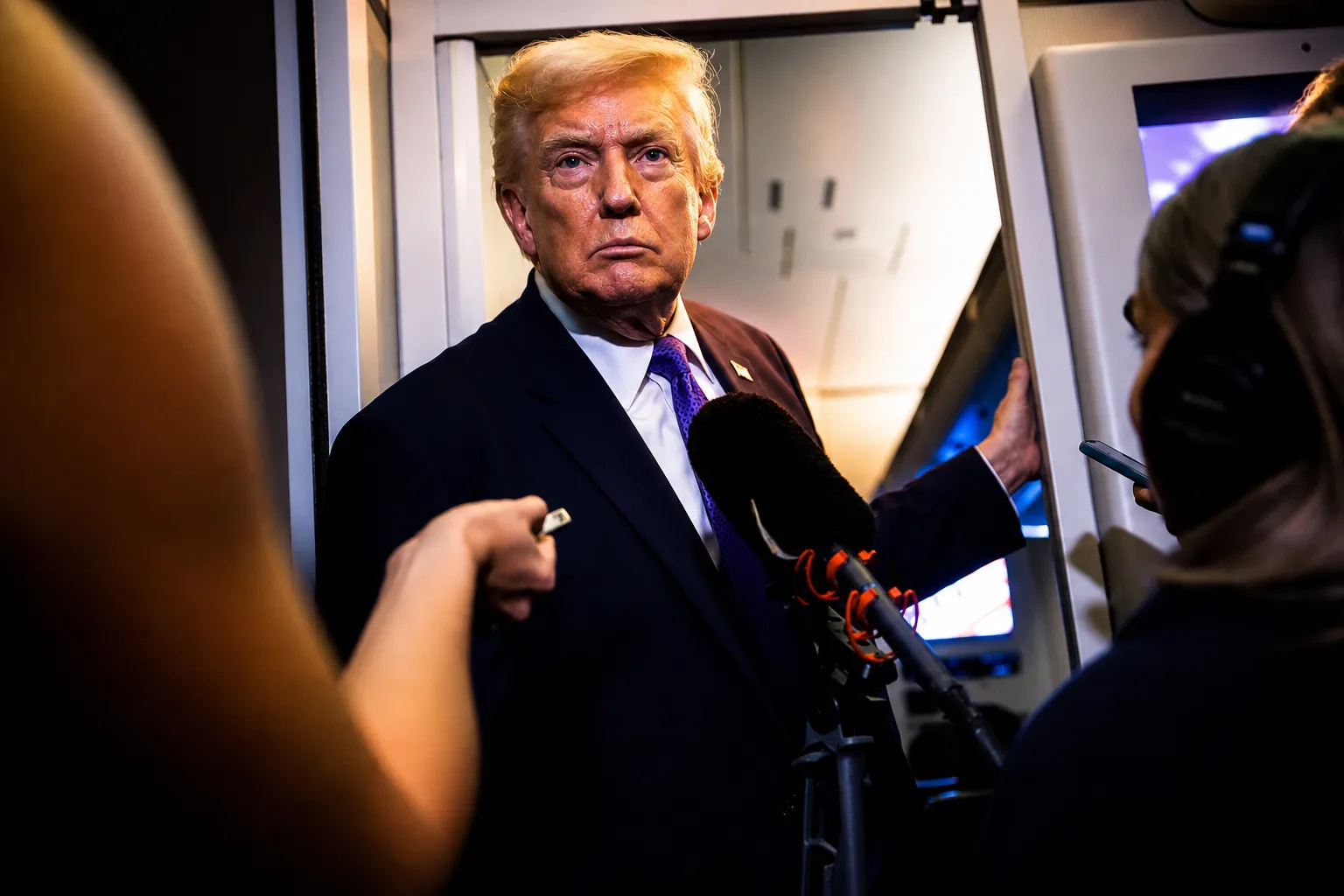
In the days following initial reports of the proposal, Trump’s account of his role shifted. On Friday, February 7, he told reporters aboard Air Force One that it was actually Schumer who had suggested the renaming idea. “Chuck Schumer suggested that to me about changing the name of Penn Station to Trump Station,” Trump said, adding that Dulles Airport was a separate matter and that the idea had been suggested by “numerous people” including “unions, Democrats, Republicans.”
Schumer flatly denied this characterization. On social media, the senator responded: “Absolute lie. He knows it. Everyone knows it.” He reiterated that Trump alone held the power to release the frozen funding without any involvement from Congress.
The contradiction intensified when White House Press Secretary Karoline Leavitt appeared to contradict Trump’s account. When asked why the president was interested in changing Penn Station’s name, Leavitt said, “It was something the president floated in his conversation with Chuck Schumer,” suggesting Trump had initiated the idea rather than merely receiving a suggestion from Schumer.
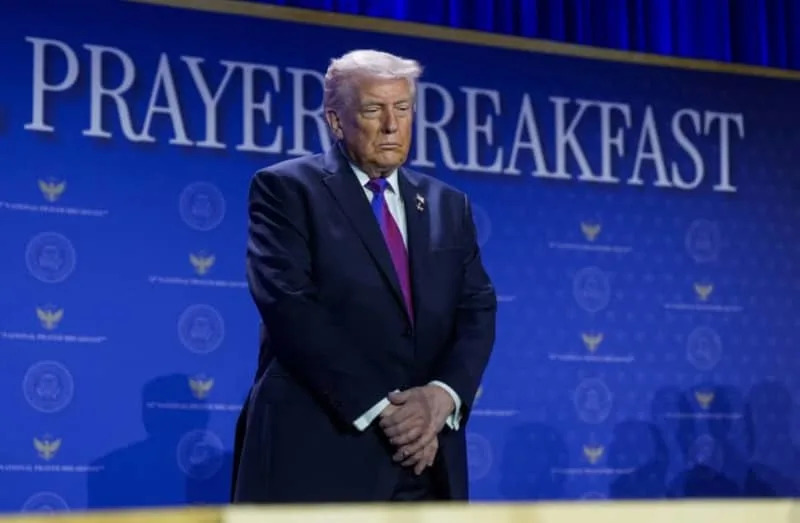
The renaming proposal represents an escalation in Trump’s broader effort to place his name on federal institutions and landmarks. Since returning to office, Trump’s administration and Republican allies have worked to add his name to the Kennedy Center for the Performing Arts, the U.S. Institute of Peace, a fleet of Navy battleships, and various other government facilities. Some of these renamings have been legally contested, with courts ultimately blocking the addition of his name to the Kennedy Center.
Federal courts intervened in the funding dispute in early February. U.S. District Judge Jeannette Vargas issued a temporary restraining order on February 7 prohibiting the Trump administration from withholding the Gateway project funds, allowing construction to continue pending further legal proceedings. New York and New Jersey sued to force the release of the already appropriated federal funds, arguing that the funding freeze was unlawful.
The Gateway project represents one of the nation’s largest infrastructure undertakings, with a projected completion date in 2035. When finished, it will double the number of trains capable of moving between New Jersey and New York each hour from 24 to 48. The existing Hudson River tunnel, severely damaged by saltwater flooding during Superstorm Sandy, requires frequent emergency repairs that disrupt the nation’s most heavily used passenger rail line.
Construction ultimately resumed after the federal court action, though the underlying dispute over the president’s authority to condition federal funding on infrastructure naming decisions remained unresolved. The episode highlighted tensions between the administration and Democratic leaders over critical infrastructure spending and raised questions about whether federal funding for major projects could be leveraged to advance the president’s personal legacy objectives.