

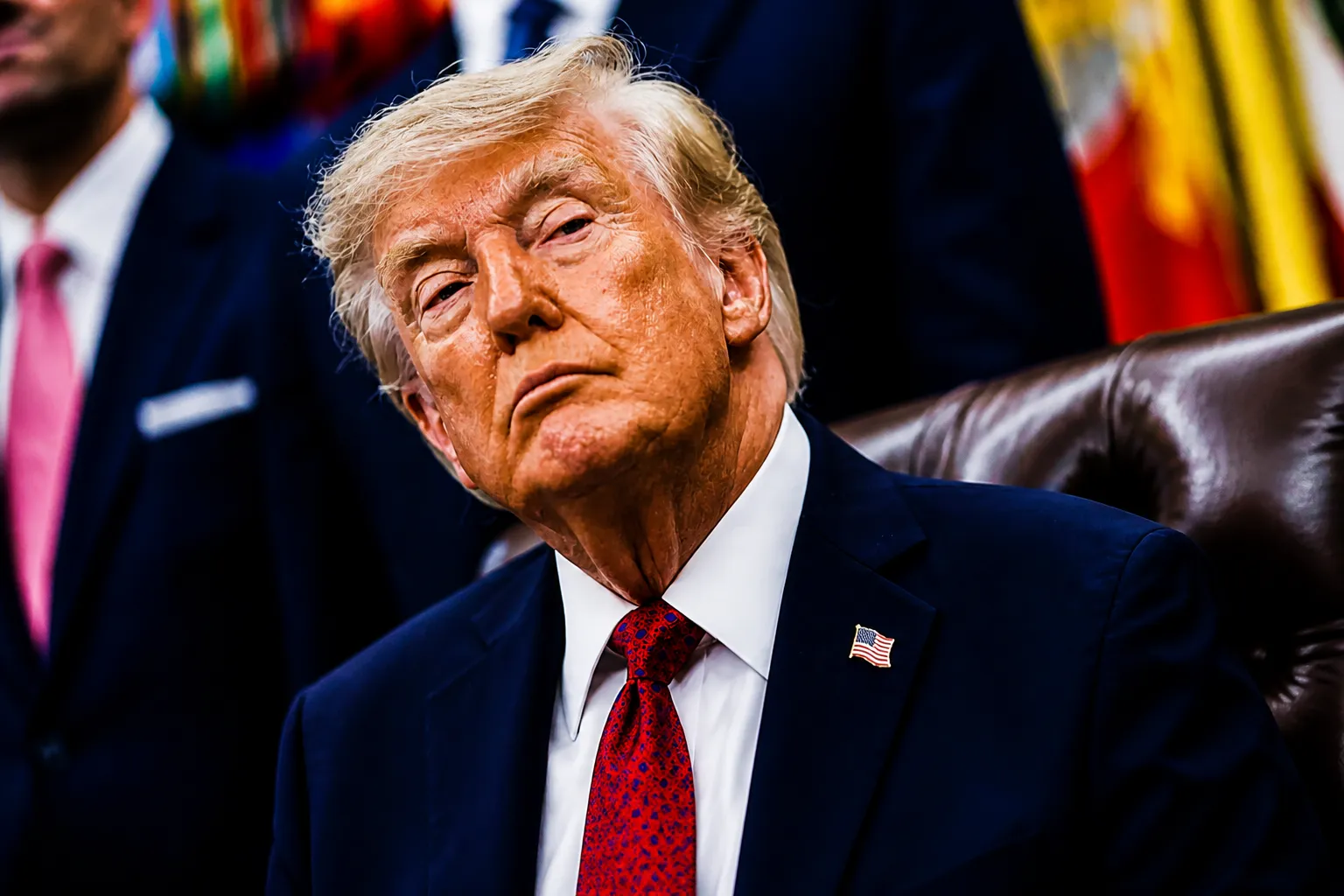
Donald Trump’s $1 commemorative coin is facing fresh ridicule over its engraved dates.
The Treasury Department began selling the collectible last week, months after announcing plans in October to mint a piece honoring the 250th anniversary of American independence. The coin, 56, features the president’s profile on one side with “Liberty” arched above and the years “1776-2026” stamped below. Rolls of 25 sell for $61 on the department’s website, while bags of 100 cost $154.50, a 50% markup over face value.
Social media users quickly seized on the date range. Catherine Rampell, economics editor at The Bulwark, posted on X: “I like that this design appears to show the birth date of liberty as 1776, and its death as 2026.”
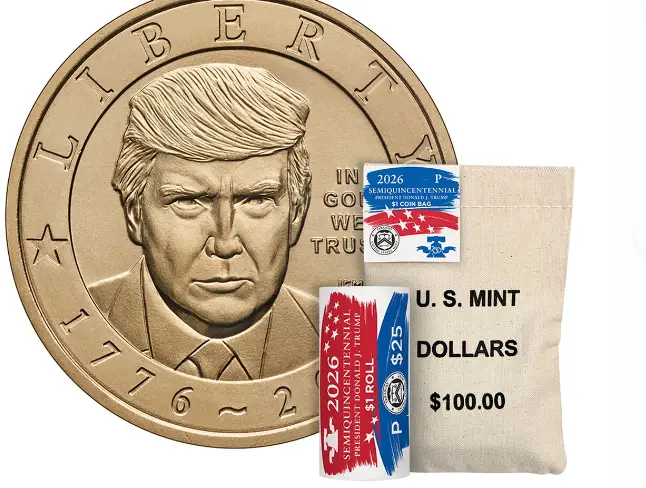
That interpretation spread rapidly across the platform. One user wrote: “liberty died 2026? Weird to admit but i guess we all knew it.” Another commented: “It certainly does feel like liberty is dead in 2026. You even added a portrait of the guy who killed it. Poignant. Either that or it’s Clavicular’s dad. Hard to tell.”
The mockery extended to the coin’s very existence. “I’m slapping anyone who hands me a Donald Trump dollar coin,” one person posted on X.
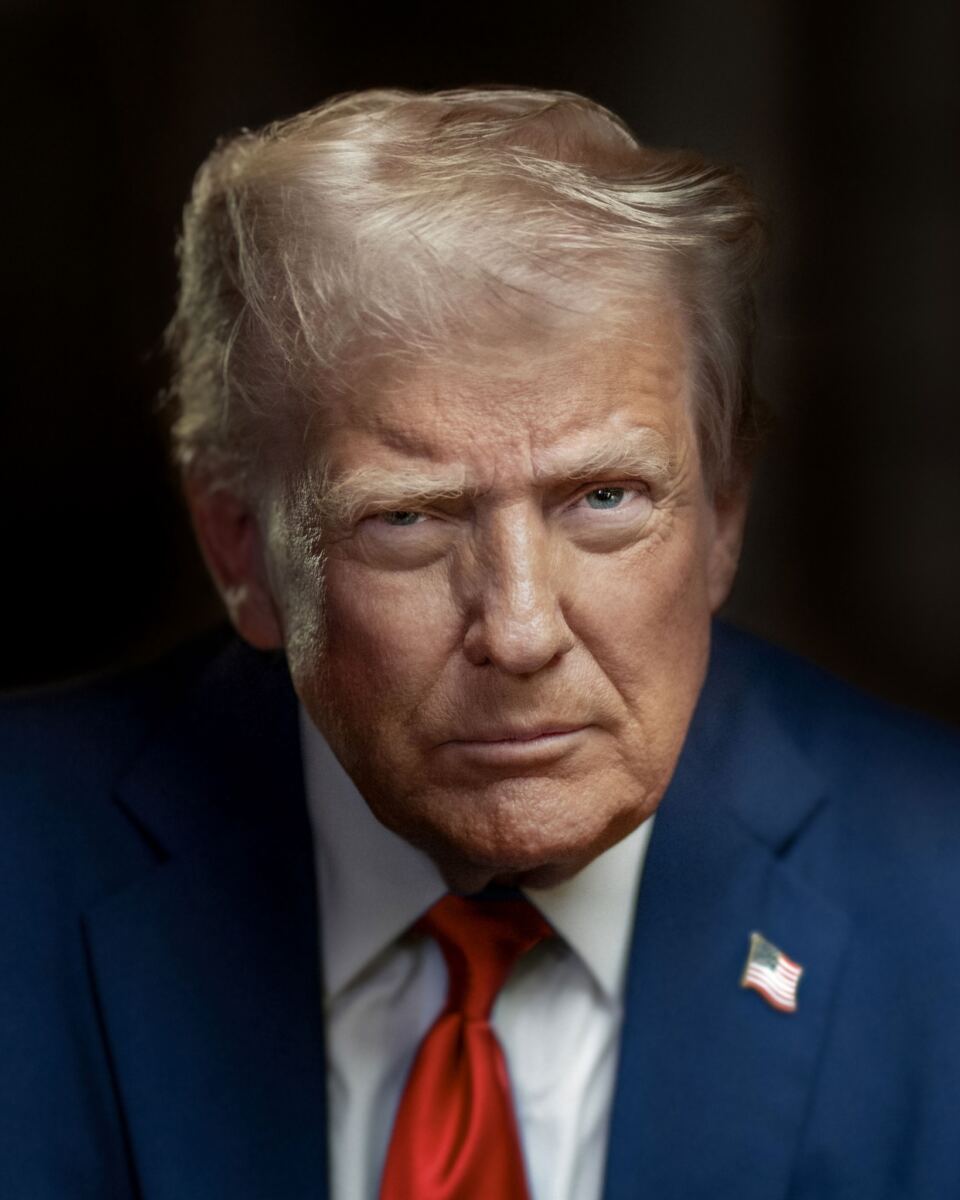
The controversy traces back to the Treasury’s October announcement that it would commemorate Trump as part of the Semiquincentennial celebration. The department initially proposed an image of the president raising his fist with the American flag behind him, then submitted three alternate designs to the Commission of Fine Arts for approval. The selected version shows Trump’s face in profile with “In God We Trust” to the side.
Democratic lawmakers had fought the project from its inception. Senator Jeff Merkley of Oregon and Senator Catherine Cortez Masto of Nevada introduced legislation to block the coin’s production. Merkley described the piece as an “abuse of taxpayer dollars” in a statement, adding: “President Trump’s self-celebrating maneuvers are authoritarian actions worthy of dictators like North Korea’s Kim Jong Un, not the United States of America.”

Cortez Masto framed the issue around American precedent. “While monarchs put their faces on coins, America has never had and never will have a king,” she said in a statement. “Our legislation would codify this country’s long-standing tradition of not putting living Presidents on American coins.”
The Treasury website indicates strong demand despite the backlash, with most purchase options listed as no longer available.
The coin’s release comes amid broader debates about presidential imagery on currency. American tradition has generally avoided portraying living leaders on circulating money, though commemorative pieces have occasionally broken with custom.
The 1776-2026 date pairing was intended to mark the 250-year span since the Declaration of Independence. The Treasury has not publicly addressed the online interpretation of the dates as signifying liberty’s lifespan.
Online reaction remained sharply divided between those treating the date range as an accidental admission and supporters eager to acquire the collectible. The coin’s premium pricing structure positions it primarily as a souvenir rather than circulating currency.
The White House did not immediately respond to requests for comment on the social media response.
The Treasury is expected to continue sales through the remainder of the Semiquincentennial commemoration period.