


A viral video has exposed what many are calling an absurd moment in British law enforcement. A man was stopped and arrested by police in the UK for carrying a newly purchased baseball bat still wrapped in its original packaging from a sports store.
The incident captures officers approaching the man on the street and questioning him about the baseball bat. Despite the bat remaining factory-sealed in plastic wrap with a receipt showing it was just purchased, police escalated the situation dramatically. The man can be seen in the video attempting to explain that he had simply bought the bat from a nearby shop moments before.
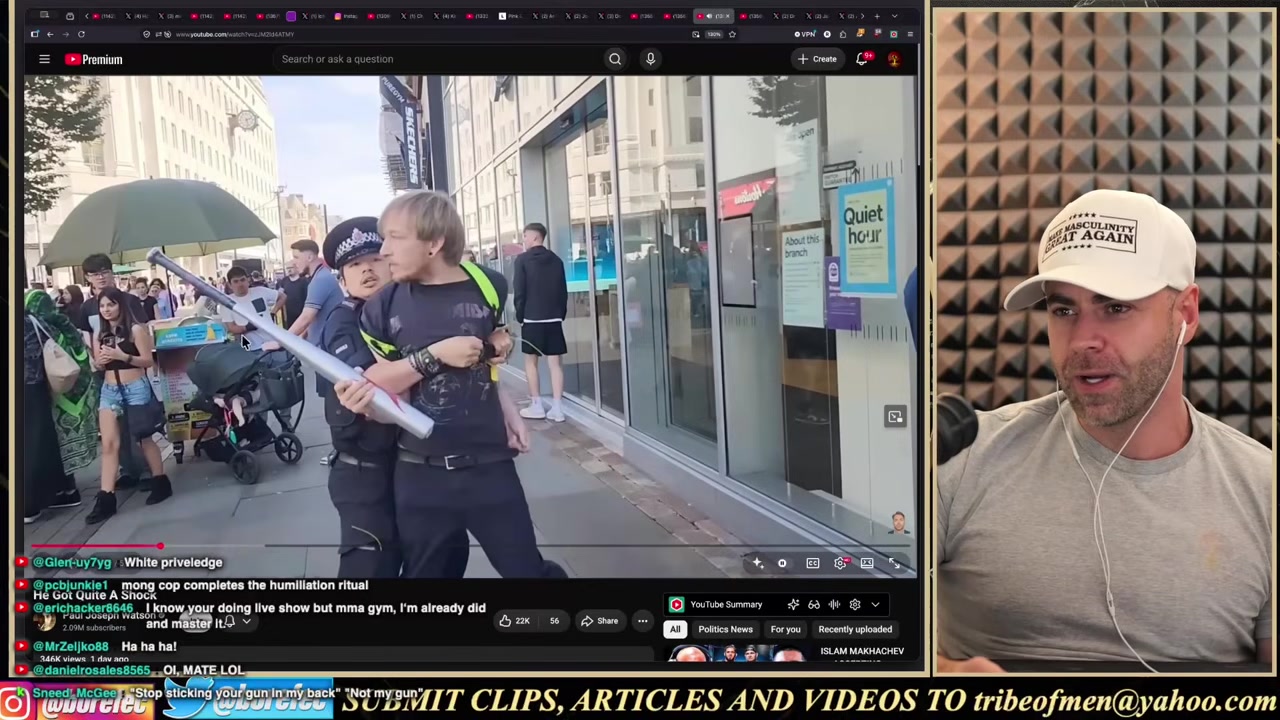
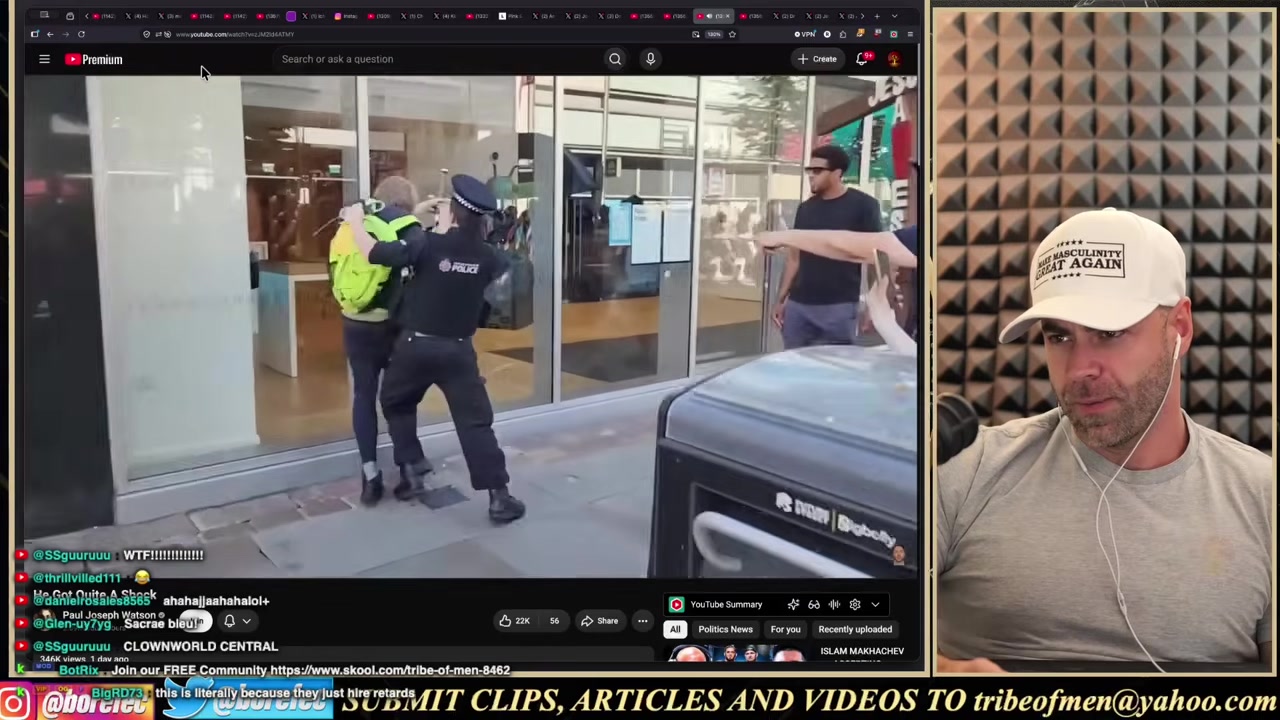
Officers called for backup, and additional police arrived at the scene. The video shows the man being confronted by multiple officers over what amounts to a routine retail purchase. The interaction grew increasingly tense as more police arrived to assist in dealing with the situation.
The arrest sparked immediate commentary about the contrast between how this purchase was handled and how other items in the UK are treated. One observer pointed out that a man carrying a large wooden cross through the streets faced no police intervention, while the factory-sealed baseball bat triggered an arrest.
Religious exceptions also drew attention during discussions of the incident. Some noted that members of certain faith communities are permitted to carry religious daggers legally, while an ordinary person with a sports equipment purchase faced police action.
Manchester police refused to comment on or explain the arrest. Despite the video going viral nearly 24 hours after the incident, the department offered no official statement addressing why their officer behaved in such a manner.
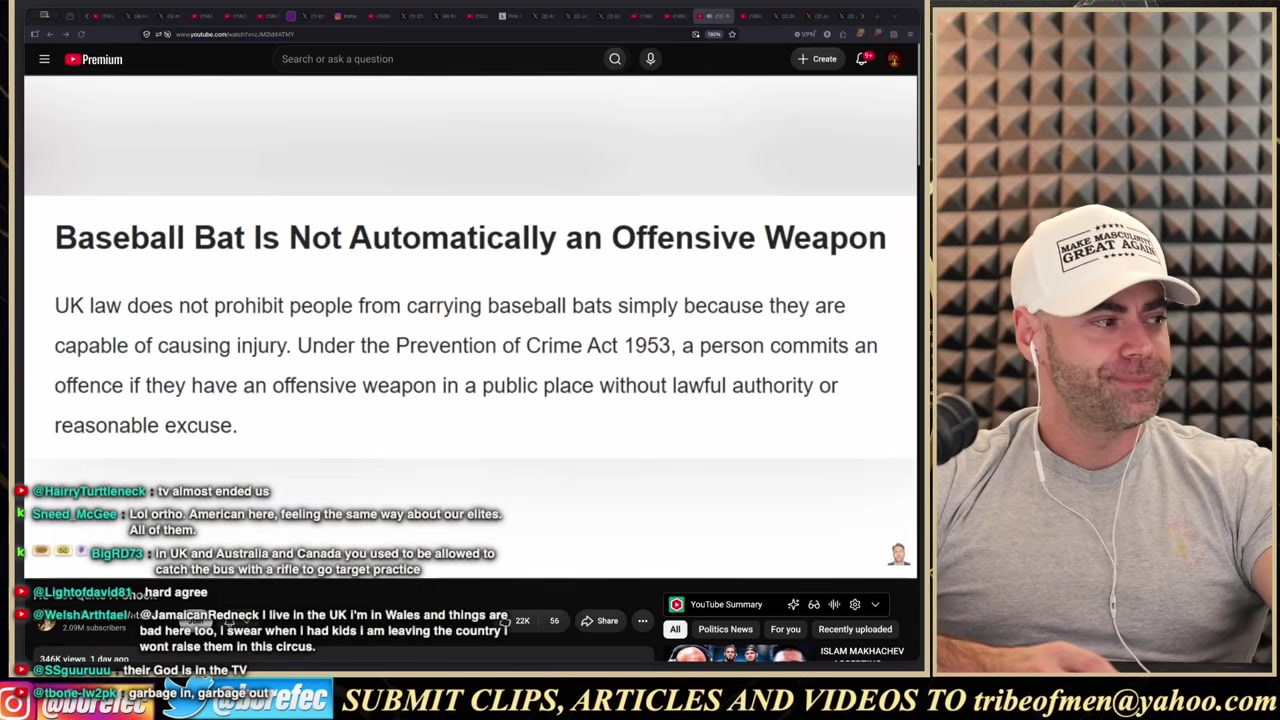
Under UK law, specifically the Prevention of Crime Act 1953, carrying an offensive weapon in public without lawful authority is prohibited. However, the law provides for reasonable excuses. Having just purchased an item from a shop, with packaging intact and a receipt in hand, would typically qualify as a reasonable excuse for possessing the bat.

The incident eventually concluded with the man being released and all charges dropped. The arrest officer’s conduct raised questions about proper training and judgment in law enforcement response.
The video spread rapidly on social media platform X, where it became a focal point for broader discussions about policing in Western Europe. Many observers from Eastern Europe expressed shock at the incident, describing it as incomprehensible based on their own experiences with law enforcement.
The case illustrated a concern about escalation in police responses. The man’s resistance to the initial stop led to further action, but commentators noted that the arrest itself appeared unjustified from the outset. The officer had immediately escalated the situation to what one observer called “DEFCON 1” without giving the man an opportunity to explain the circumstances of his purchase.
Public recording of the incident proved crucial in establishing what occurred. Without video documentation, the arrest might have gone unquestioned. This raised concerns among observers that authorities might eventually attempt to restrict public recording of police activities to prevent similar exposures.
The incident became a symbol of perceived inconsistencies in how law enforcement applies regulations. The contrast between the immediate arrest for a sealed retail purchase and the lack of enforcement against other individuals in public spaces raised questions about priorities and decision-making within UK police departments.