

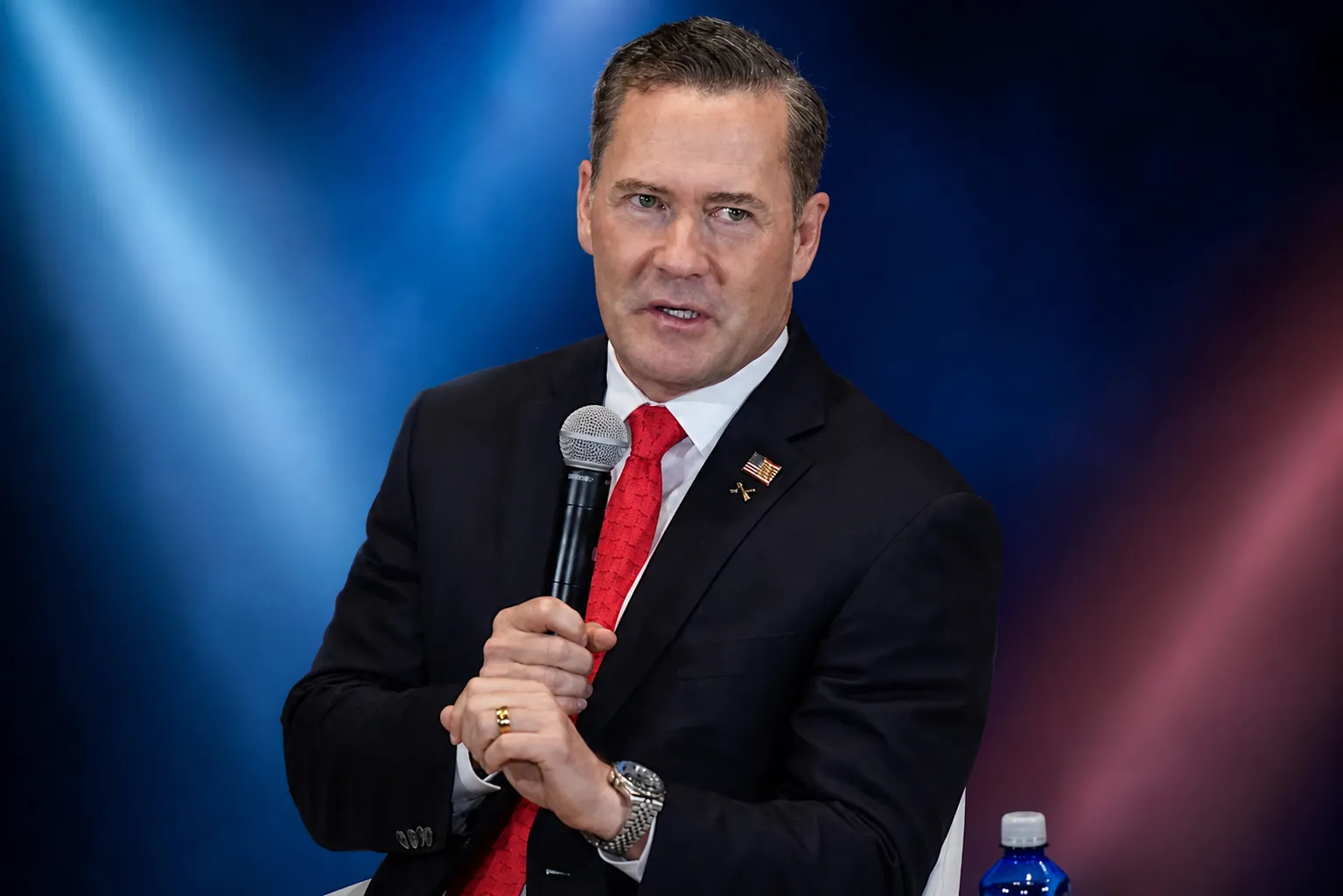
The United States pledged Monday to crack down on violent gangs in Haiti that are profiting from social media posts, with American officials calling the practice deeply disturbing as gang leaders openly celebrate crimes and recruit members online.
Mike Waltz, the U.S. Envoy to the United Nations, made the commitment during a speech at a U.N. Security Council meeting in New York, declaring that the government would “shut that down” in the near future. Waltz had recently returned from a visit to Haiti, where he witnessed firsthand the scale of gang violence devastating the Caribbean nation.
Gang leaders in Haiti have become prolific users of social media platforms, openly celebrating killings, issuing threats, and sharing various musings across multiple sites. Younger gang members post music videos and display cash they have earned, specifically targeting impoverished children in recruitment efforts. The behavior underscores how gangs have adapted to leverage digital platforms as tools for both recruitment and revenue generation.
“It’s incredibly disturbing,” Waltz said of the practices. While he did not provide specific details about how the U.S. Would accomplish its goal, his warning signaled a new focus on disrupting the financial incentives that social media platforms provide to criminal organizations.
Efforts to combat gang use of social media are not new. In 2023, YouTube banned Johnson André, known as Izo and considered Haiti’s most powerful gang leader, after significant public pressure when he received an award for surpassing 100,000 subscribers. Despite such actions by platforms, gangs have continued to find ways to monetize their content and maintain their social media presence.
Haiti faces an unprecedented humanitarian and security crisis. Gang violence has displaced a record nearly 1.5 million people across the nation, where more than half of the country’s nearly 12 million inhabitants require humanitarian aid. More than 2,300 people have been killed and more than 1,100 injured since January, according to the United Nations. Earlier this year, violence in the Cite Soleil slum alone resulted in 542 killings and 355 injuries, with at least 176 women and girls raped.
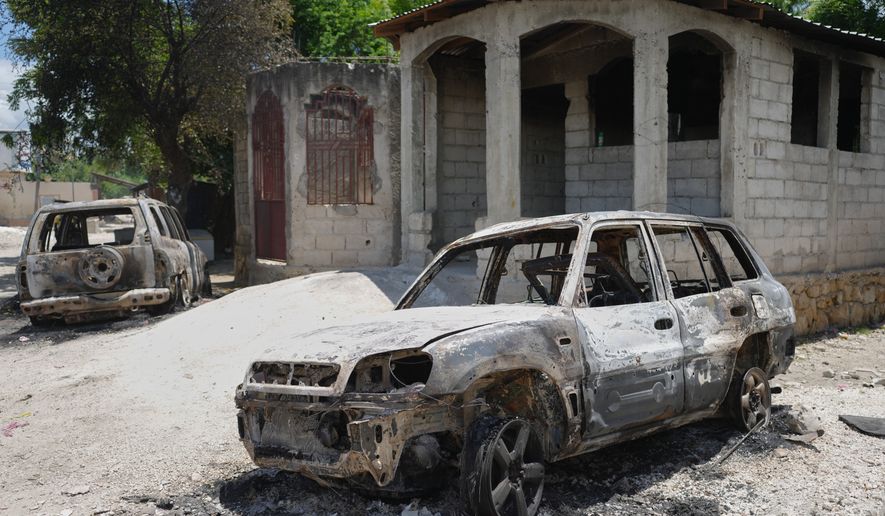
Waltz described the severity of gang control, sharing a recent incident in which gangs surrounded an armored vehicle that became stuck in a ditch, set it on fire, and forced Haitian police officers to flee. He emphasized the brutal tactics gangs employ to maintain control and instill fear.
Gangs control an estimated 70 percent of Port-au-Prince, Haiti’s capital, and approximately half of gang members are children according to U.N. Estimates. The situation reflects broader failures in state capacity, as armed men have taken over roads, ports, hospitals, prisons, and other critical infrastructure.
During his U.N. Address, Waltz underscored why Haiti matters to American interests. “Haiti’s just a few hundred miles from Florida. In that regard, it’s a critical interest to the United States,” he said. He cited concerns about gangs moving guns, drugs, and violence through the Caribbean toward U.S. Shores.
Waltz called on countries with military aircraft capacity to assist with deploying foreign troops as part of a U.N.-backed gang suppression mission in Haiti. Nations including Sri Lanka and Ivory Coast have contributed forces to this effort. He emphasized that traditional sea lifts were too slow and that Haitians need immediate assistance.
Haiti’s political situation has deteriorated since President Jovenel Moïse was assassinated at his private residence in July 2021. The country is now led by appointed Prime Minister Alix Didier Fils-Aimé and has not held presidential elections in over a decade. Seven of Haiti’s ten provinces are ready for electoral activities, though gang violence remains a major obstacle to holding elections in the remaining three provinces, including Port-au-Prince.
To address security challenges, Haiti’s foreign affairs minister said that by year’s end, an additional 4,000 officers are expected to join the National Police, which remains understaffed and underfunded. Meanwhile, an additional 1,500 recruits are expected to join Haiti’s revived Armed Forces. Waltz noted that Haiti needs substantial equipment, including heavy bulldozers, to clear streets and gang-controlled checkpoints.
The international community continues to pressure Haiti to hold general elections, which would be the first in more than a decade. Despite the mounting challenges, officials acknowledged that the political and humanitarian environment remains extremely challenging, with armed gangs likely to adapt their tactics to maintain control even as suppression efforts expand.