

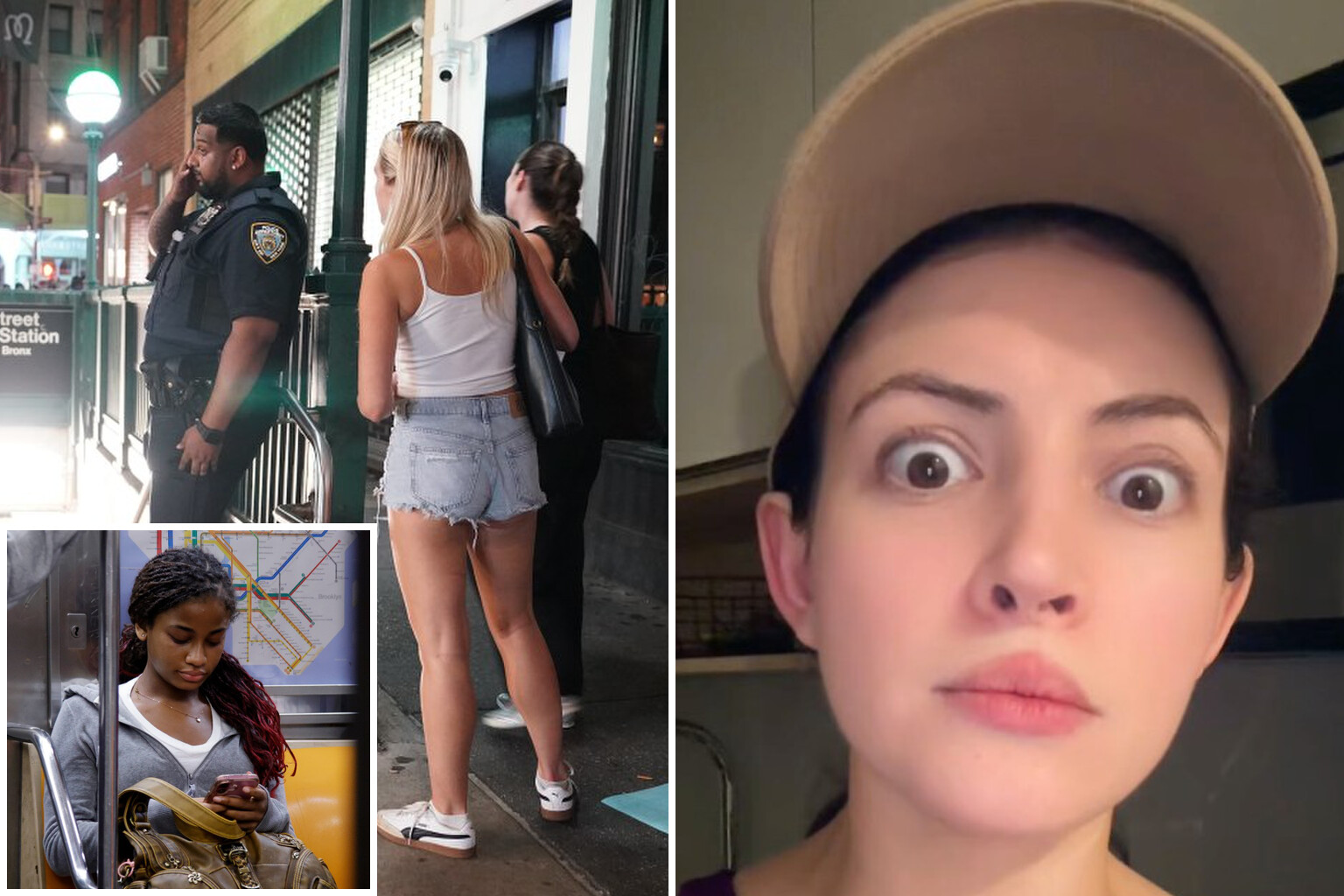
A TikTok creator has reignited debate over how late women should ride the New York City subway alone, drawing thousands of responses that expose deep divides about safety, street smarts, and what it means to be a “real New Yorker.”
Becca, the user behind the account _becsandthecity, posted a video last week asking fellow riders for their personal cutoff times. She had already shared that she considers riding the 2 train shortly after midnight on a Saturday to fall within acceptable “safe subway hours,” a stance that drew heavy criticism in her comments section where detractors called her an “unhinged” and “unsafe transplant.”
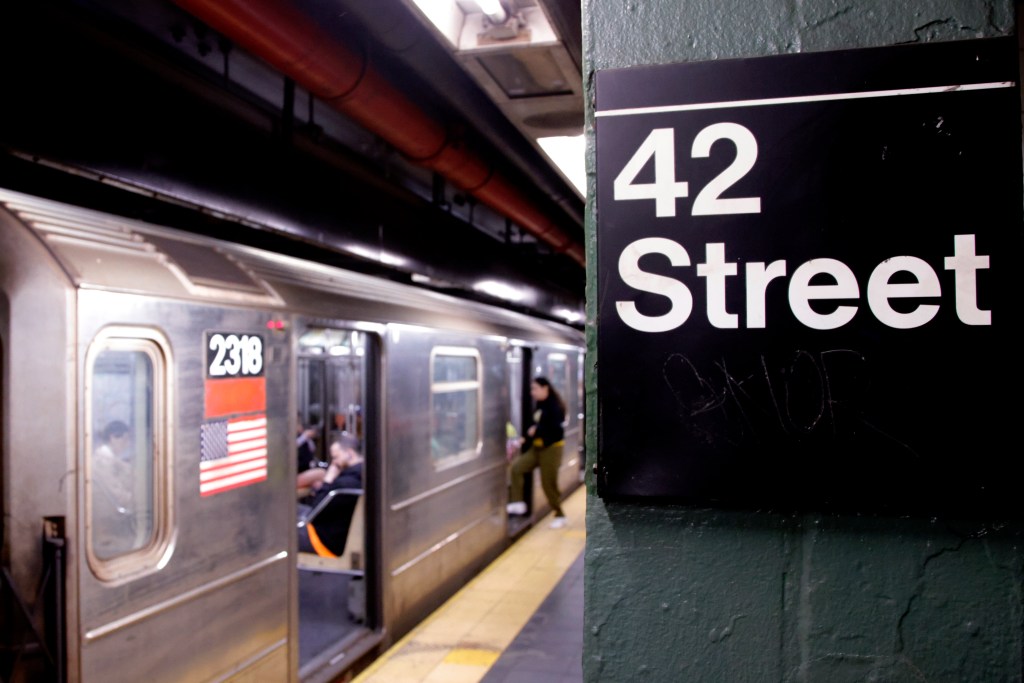
She defended her position by emphasizing that multiple variables shape any late-night ride. “What neighborhood are you in? What neighborhood are you going to? What train are you taking? Where are you getting off? How far is your walk from when you get home?” she asked in the video. Becca noted she was on the 2 train with only a short walk home, conditions she considers manageable.
The creator acknowledged that danger isn’t confined to overnight hours. “You can get on there at 12:15 and not even see a single crazy person,” she shared, adding that “You can argue there are no safe subway hours. You can get on the subway at 7:00 am for your morning commute and see something crazy. Trust me, I have.”
Her follow-up post generated a flood of conflicting perspectives in the comments. Some riders embraced extreme caution, with one woman stating her latest solo ride time is “3 pm in the afternoon.” Another commenter drew a sharp distinction based on company: “If I’m with a group, 24/7. If I’m alone, 11 pm.”
Others pushed back against limiting their own mobility. “As long as I’m sober enough to fight,” one rider fired back. Another added that “4 a.m.- 5 a.m. Subways build character.”
The discussion also surfaced persistent fears about alternative transportation. “24/7,” said one commenter, explaining she would rather risk the subway because she is “more afraid of being assaulted or trafficked by a ride-share driver.”
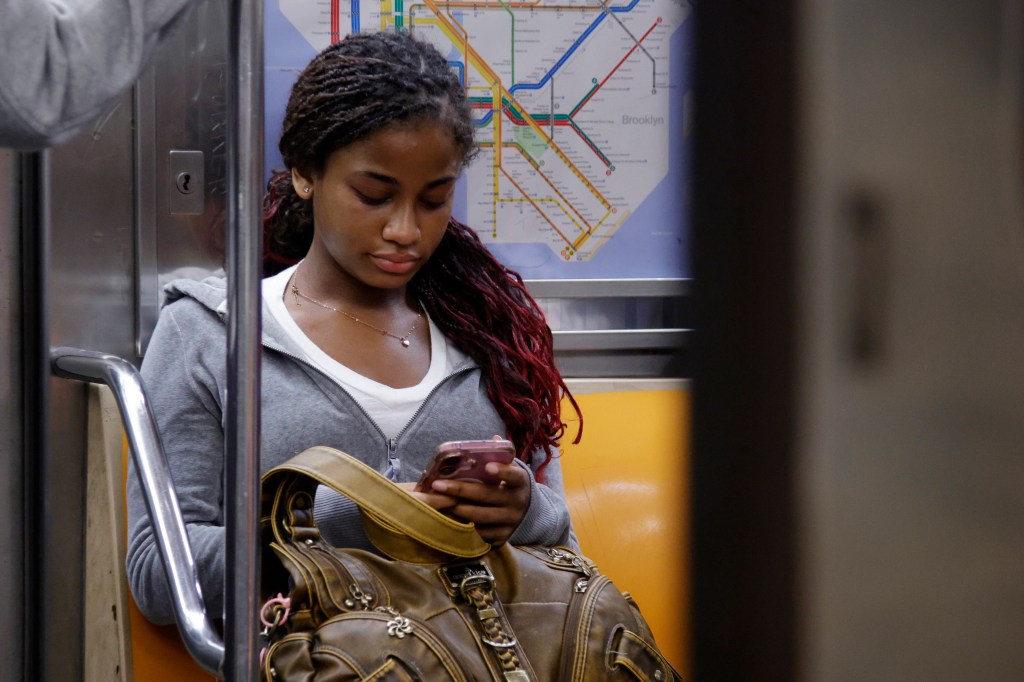
Some respondents framed the debate itself as a marker of newcomer status. “This is a transplant convo,” one wrote. “There’s a reason our city runs 24/7.” Another commenter declared, “If you don’t ride the subway whenever you need to, you’re not a real New Yorker.”
Geography emerged as a decisive factor for several experienced riders. “It depends on where I am,” noted one long-time resident, sharing that in Manhattan she takes the train around the clock, but in Brooklyn or Queens she pays for an Uber instead. Another rider offered a strategic compromise: “Midnight, but my rule is if the platform is empty after 11 pm, I’m not taking it.”
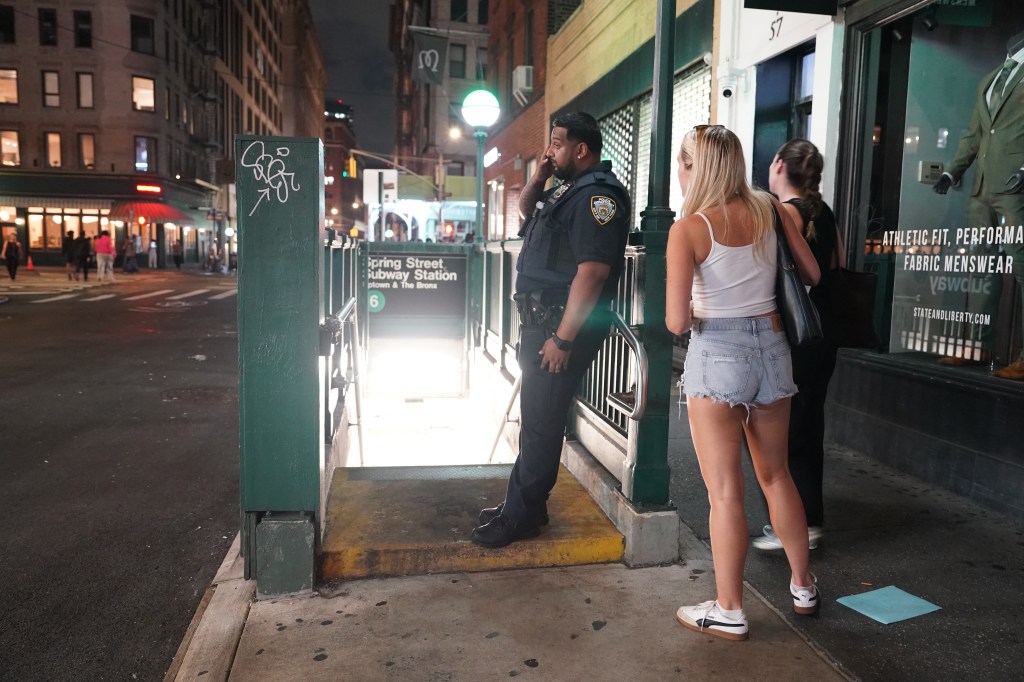
Several women emphasized defensive positioning rather than time restrictions. “I ride at any time; I just sit in the middle car with the person who operates the doors,” one shared. Another took a more confrontational approach: “A true New Yorker I’ll go at any time because I’m not scared; I’ll show the crazies I’m crazy so they leave me alone.”
One born-and-raised New Yorker offered detailed guidance that resonated with many. “Born and raised here. As a woman, I don’t take the train by myself past 11 pm. I’m taking an Uber no matter the price. Anything can happen at any time, but you have fewer people to help you if something happens late at night,” she wrote. She continued with a pointed observation about the nature of the threat: “People say New Yorkers won’t help you, but that’s absolutely not true. I’m not even cautious about the crazy people…what I want to avoid is the men who can’t take no for an answer…They get emboldened when there’s no one around.”

Becca singled out one line she refuses to ride, stating she would never take the J train. Commenters widely endorsed that specific avoidance, and recent violence lends context to such choices. Last week, an “emotionally disturbed” person repeatedly stabbed construction worker Mesias Lojano, 59, as their train neared Woodhaven Boulevard. Lojano became the subway system’s sixth murder victim of the year.
The broader statistical picture has worsened dramatically. From 1997 through 2019, before Albany implemented criminal justice reforms, the city averaged two transit murders annually. From 2020 through last year, that average jumped to seven mass-transit rider killings per year, with 2026 on track to match or exceed that figure. Through August, felony assaults have risen 10% from last year’s level to 435, a total 84% higher than the comparable 2019 figure.
Becca concluded her latest video by inviting continued discussion: “Tell me your last call for the subway.”