


A physician has drawn attention to the early warning signs of leprosy as Florida continues to record more cases of the infectious illness, which can lead to blindness when it is not treated.
Two additional cases have now been confirmed in Brevard County, the part of Florida that has seen the greatest number of infections during the current rise. By mid-July 2026, Florida had recorded 17 cases statewide so far this year, following a record-breaking 36 cases reported in 2025, which surpassed the previous high of 29 cases in 2015.
With numbers increasing, specialists have explained which symptoms people should be aware of. Officials have not disclosed specific information about the two newest patients.
They have, however, said that one of the patients is between 70 and 74 years old, while the second is between 80 and 84.
Leprosy can be difficult to identify because signs of infection may take as long as 20 years to emerge after exposure to the bacteria. Some people may develop symptoms in as few as 3 to 5 years, but the delayed onset makes it challenging to determine when and where someone became infected.
The Centers for Disease Control and Prevention states: “Transmission requires prolonged close contact with someone known to be infected and not treated.”
Based on guidance from the Cleveland Clinic, some of the more common symptoms include skin changes and nerve-related problems. Early warning signs include patches of skin that are lighter or more discolored than surrounding skin, along with numbness or loss of sensation in affected areas. Some patients may experience weakness or paralysis of muscles, particularly in the hands and feet. As the disease progresses, skin lesions may become raised, lumpy, or widespread, and affected skin can become thick, stiff, and dry. Loss of eyebrows or eyelashes may also occur. Nerve damage is particularly serious and can result in a dangerous loss of feeling, meaning people may not feel pain from cuts, burns, or other injuries.
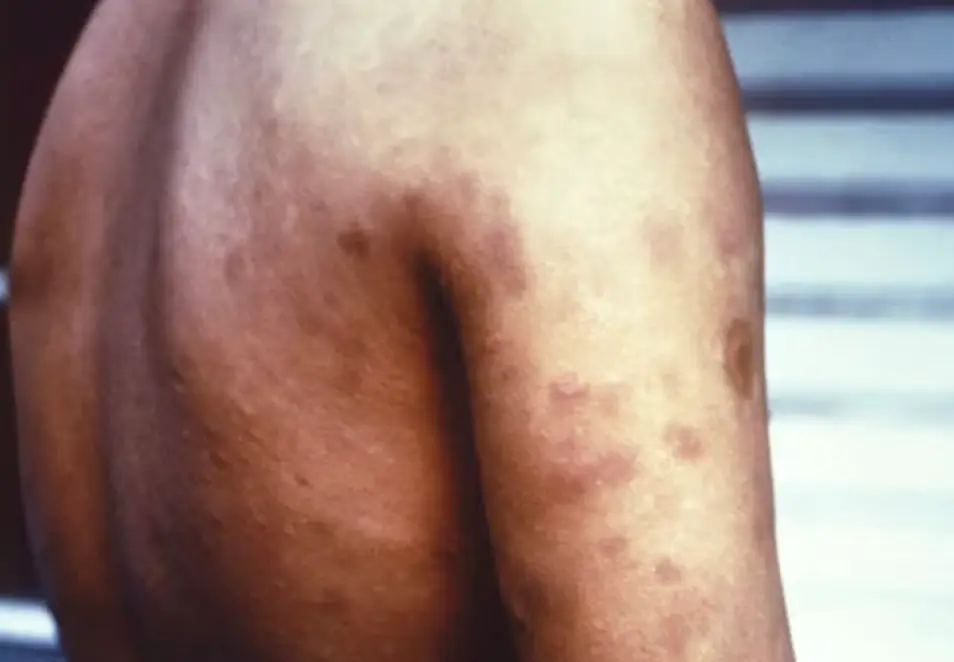
Although the disease is considered uncommon in the United States, experts say roughly 200,000 people are diagnosed globally each year. In the U.S., up to 225 cases are reported annually, though the most recent data from 2025 showed 174 new cases reported nationally. Most cases in the United States involve people who became infected overseas in countries where the disease is more common. However, Florida is increasingly reporting locally acquired infections, with officials believing 27 of the 36 cases in 2025 were contracted within the state.
The reason behind the rise in cases is still being discussed, but the CDC says: “In the southern United States, some armadillos are naturally infected with the bacteria that cause leprosy, and it may be possible that the animals can spread it to people. However, the risk is very low and most people who come into contact with armadillos are unlikely to get leprosy.”
Genetic studies have confirmed that armadillos in the southern United States carry the same strain of bacteria found in locally acquired cases. Some experts suggest that as Florida’s population grows and more development encroaches on wildlife habitats, there are increased opportunities for human-armadillo contact. Additionally, some research indicates that leprosy may now be considered endemic in parts of the southeastern United States, particularly in central Florida, after cases with no known travel history or animal exposure were documented.
The Florida Department of Health says the counties affected as of August 1 are:
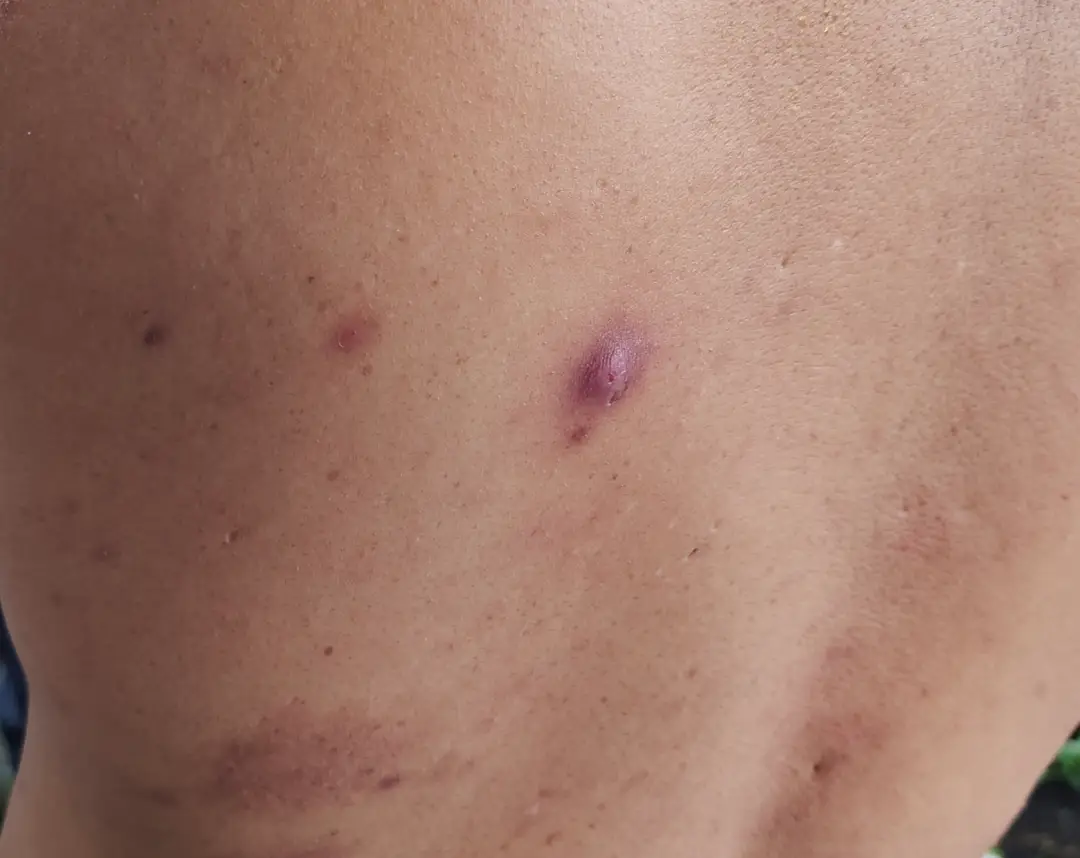
In 2026, leprosy is both treatable and curable with antibiotics. When diagnosed early and treated promptly, the disease can be managed and its progression halted. However, antibiotics cannot reverse nerve damage that has already occurred. If it is not addressed, though, the infection can cause serious complications. The CDC says these may include nerve damage, paralysis in the hands and feet, shortening of fingers and toes, foot ulcers that do not heal, blindness, and disfigurement of the nose.
Officials also stress that leprosy is not easily spread. According to health experts, 95 percent of people are not susceptible to the bacteria that causes the disease, challenging the long-held misconception that it is highly contagious. Additionally, transmission through casual contact—such as in schools or workplaces—is extremely unlikely. Healthcare professionals recommend that individuals avoid unnecessary contact with wild armadillos and seek medical care promptly if they develop persistent skin lesions, numbness, or other unusual symptoms, particularly after prolonged exposure to known risk factors.