

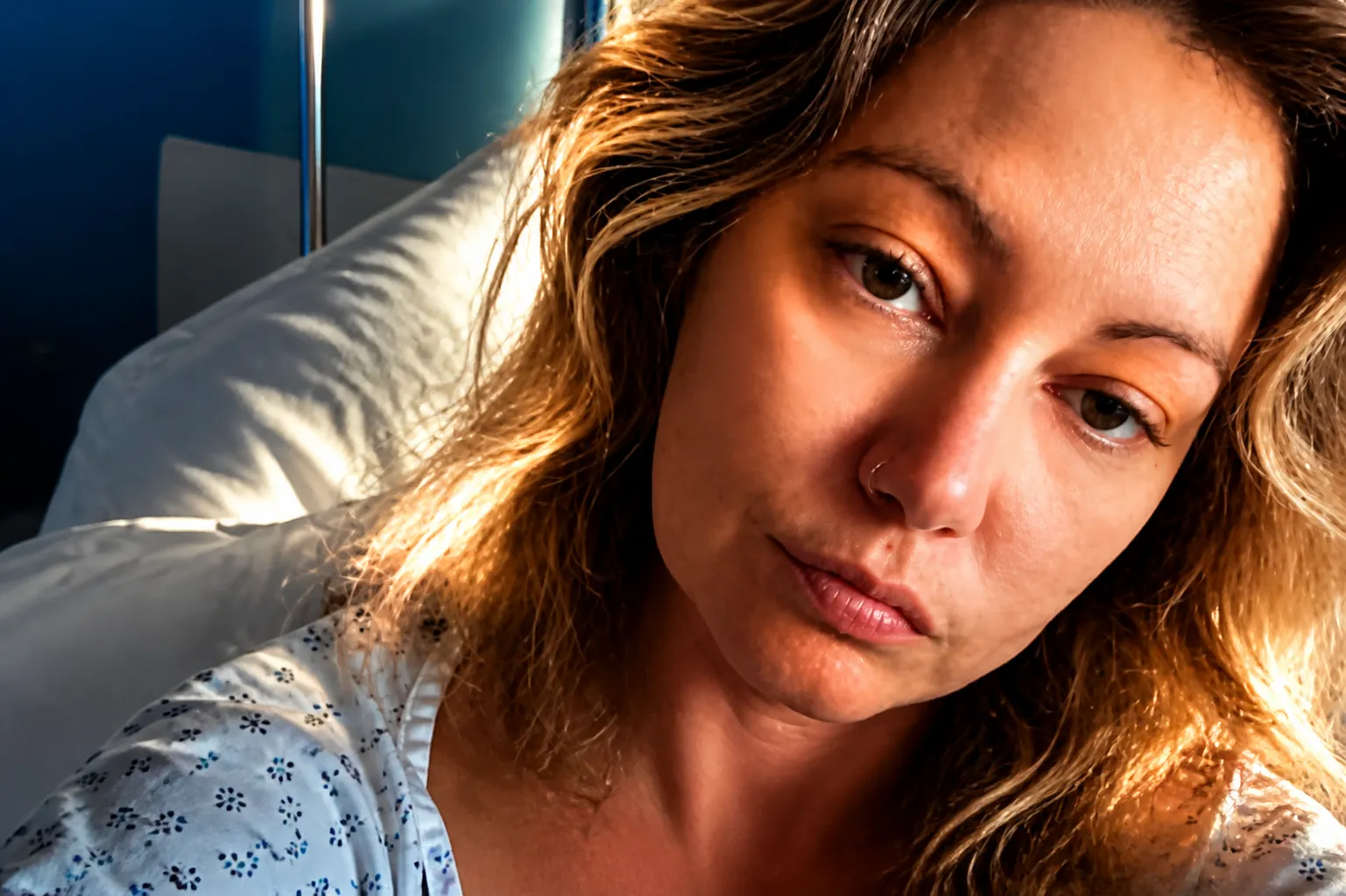
Jessica Forgues says Celine Dion’s documentary gave her the words to finally explain her rare disease to others.
Forgues, 35, of Quebec, Canada, was medically retired at 30 after doctors diagnosed her with Stiff Person Syndrome, a neurological autoimmune condition the Cleveland Clinic classifies as rare and progressive. Before the singer’s public revelation, the former parliamentary executive assistant struggled to make anyone understand what she was enduring.
Her first warning sign appeared at 29, when regular muscle spasms began gripping her calves. She said the spasms grew so excruciating they would jolt her awake in agony. “At first it was just annoying but they became so painful I would wake up screaming,” she said.
Her family doctor prescribed magnesium, a common treatment for calf spasms linked to deficiency. When that failed, the physician moved to muscle relaxants. The spasms only metastasized. “At this point I was experiencing spasms in my face, arms, and legs,” Forgues explained. “No medication made any difference the symptoms just continued to worsen very rapidly.”
Then came the dismissal that haunts many women seeking diagnoses for unexplained pain. “The doctor then suggested it was probably all in my head and I should talk to someone,” she recalled. “But I knew something was wrong.”
Her chiropractor proposed a different tactic: film the episodes. Forgues captured the spasms on camera and sent the footage through her contacts. Within four days, she had a neurologist appointment. After a year of dead ends, she received her diagnosis at 30.
The label brought no relief. “When I first received the diagnosis, I didn’t really understand the severity of it,” she said. “But then the hard realities came. I was medically retired. Not sick leave or disability. Medically retired forever.”
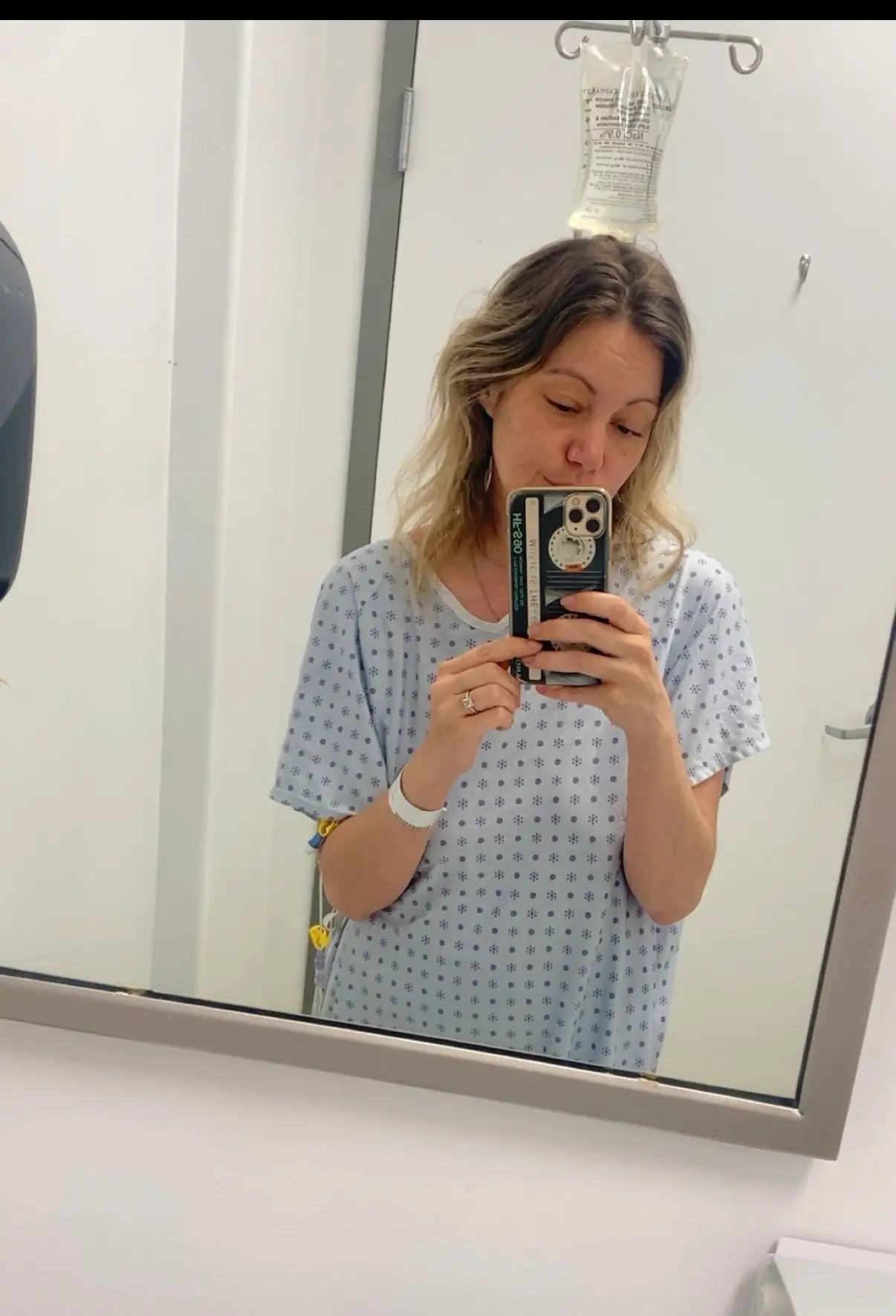
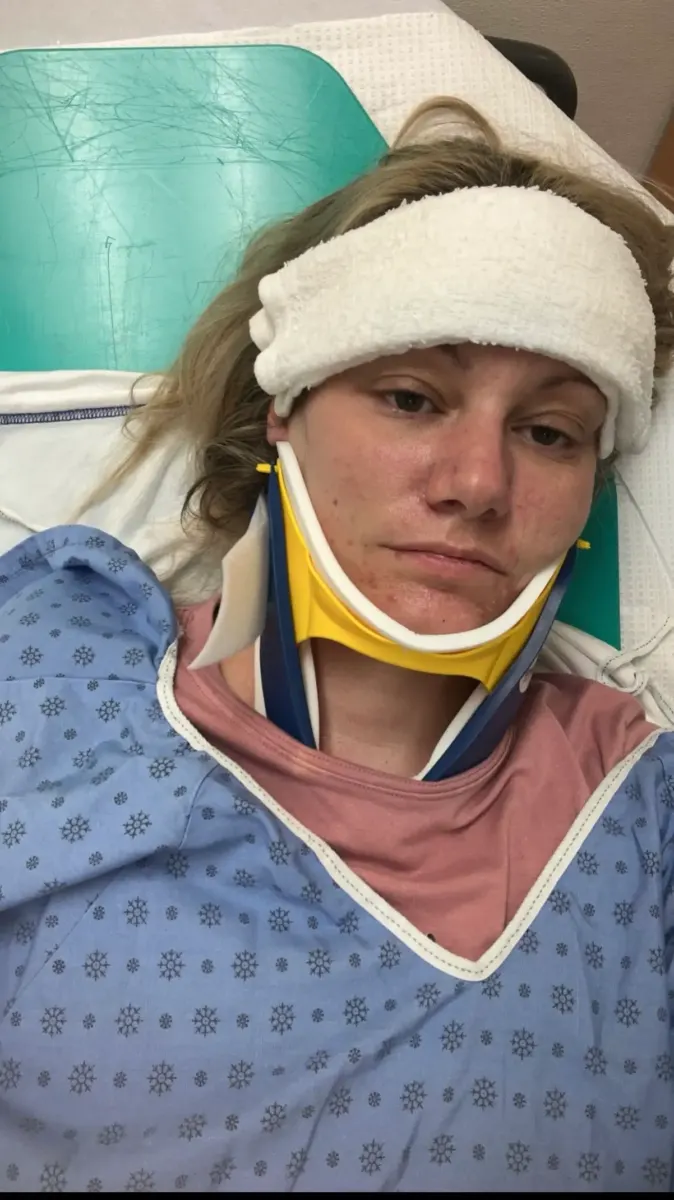
The condition infiltrated every routine. Forgues revealed she cannot tilt her head or bend without fainting, transforming basic tasks into grueling ordeals. “Meaning things as simple as washing my hair, or bending down to pick up after sweeping have become an Olympic chore,” she said. The spasms have proven violent enough to cause injury.
Awareness remained virtually nonexistent until Dion announced her own SPS diagnosis. Forgues said the shift was seismic. “I finally had a reference so I could say I have SPS like Celine Dion,” she shared. “It made a world of difference for awareness and just general knowledge.”
Dion’s documentary deepened that impact. “She released an amazing documentary that really did allow people to see the severity of the disease,” Forgues said. “She was vulnerable and really allowed people a glimpse into just how painful this disease is.”
Forgues now documents her own experience on TikTok through her account @mybody_mybattle, mixing advocacy with humor as she continues treatment. She notes the financial burden of managing SPS remains an ongoing struggle.
Dion revealed her SPS diagnosis in December 2022, forcing the cancellation of her Courage World Tour and stepping back from performing. The progressive disorder causes muscle rigidity and painful spasms that can leave patients prone to falls and injury, with symptoms typically worsening over time. The Grammy winner’s documentary “I Am: Celine Dion,” released in 2024, offered an unvarnished portrait of her symptoms and their devastating effect on her voice and mobility, drawing unprecedented mainstream attention to a condition most physicians rarely encounter.
Forgues continues sharing updates through her TikTok channel, @mybody_mybattle.