

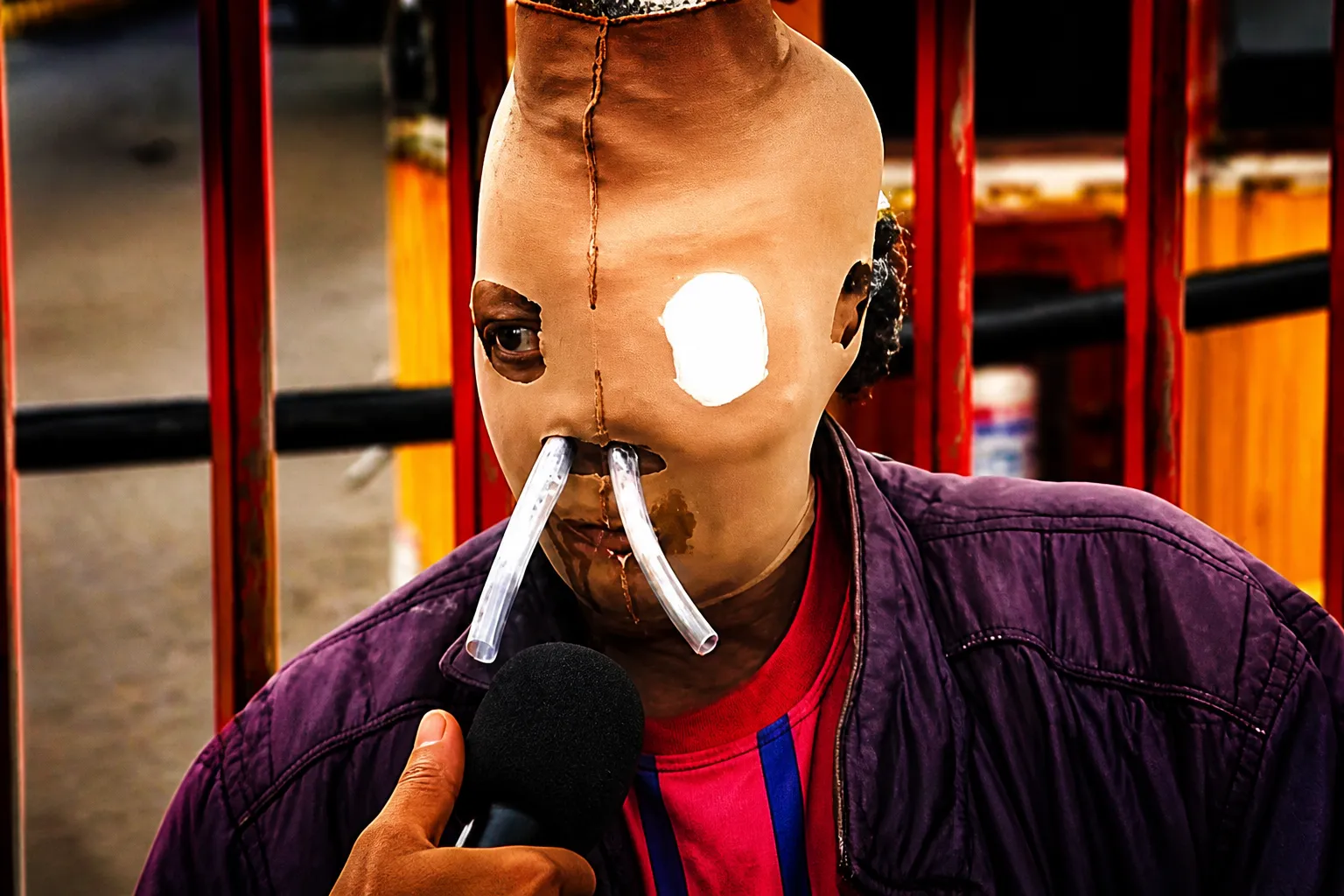
Maria Consuelo Cordoba has been approved for euthanasia after more than 80 surgeries failed to repair the damage from her husband’s acid attack.
Cordoba, 58, told Colombian television that her husband concealed the acid inside a liquor bottle before throwing it in her face when she opened the door in 2000. The attack occurred after she refused to return with him to their home region of Choco, having moved to Bogota nearly three decades ago to find work.
“I didn’t know it was acid because he had it in a bottle of liquor. I just thought he was drinking,” she said in the televised interview. “When I went out he threw that liquid in my face.”

She described the immediate aftermath: “He ran away and I felt like it was burning, so I went home to throw water on it.”
The damage left Cordoba dependent on two plastic tubes in her nose to breathe. She has only a small opening where her mouth once was. For decades she has been unable to work, has struggled to eat, and remains on a waiting list for additional reconstructive surgery.
In 2017, during Pope Francis’s visit to Colombia, Cordoba met with the pontiff and shared her suffering. She told him she was considering euthanasia. Cordoba claims the Pope persuaded her to abandon the idea, telling her that Colombia would provide the surgeries she needed.
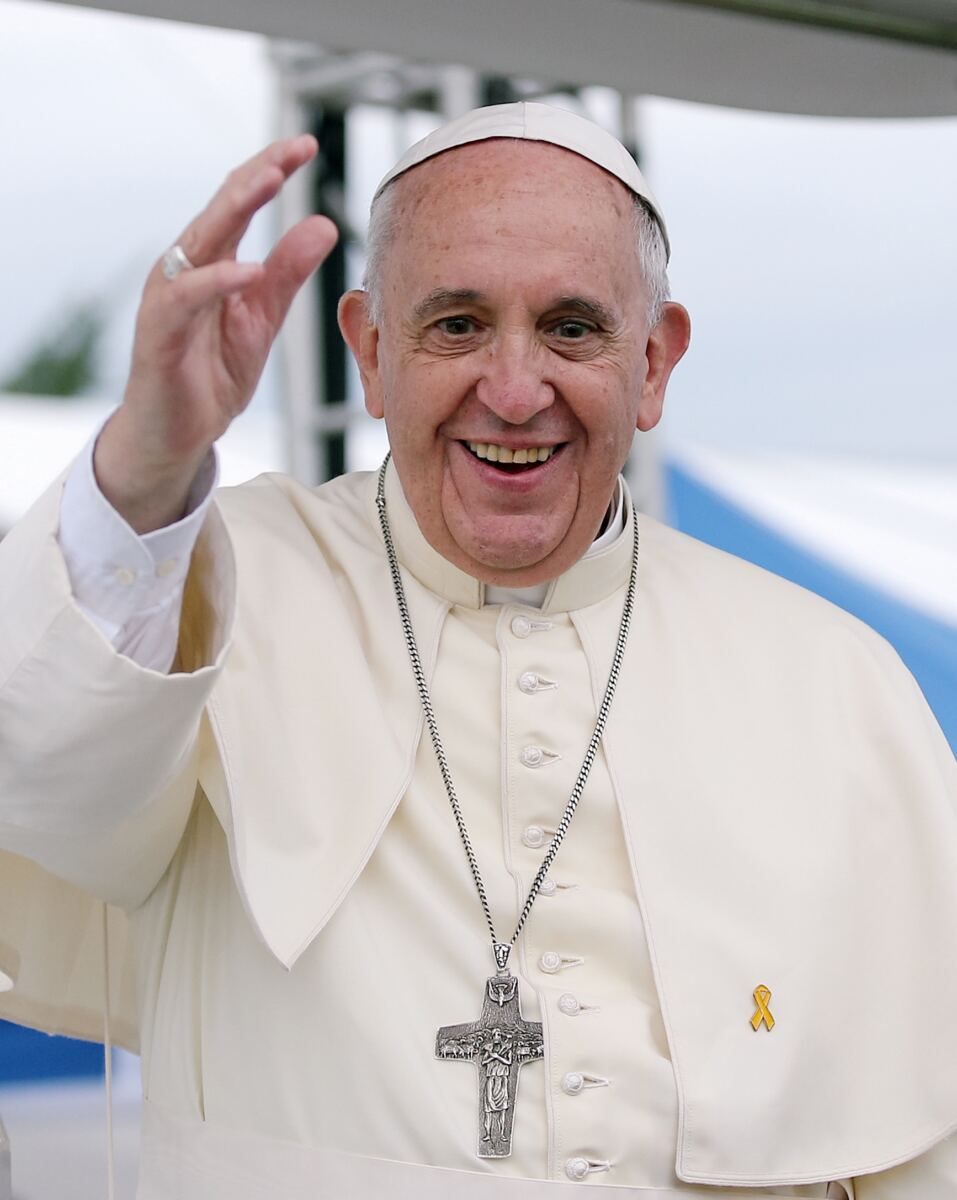
“But you know what? No one has helped me. I’m worse,” Cordoba stated.
Health organization Capital Salud has now confirmed its approval of her euthanasia request. “Maria Consuelo will continue to be supported with respect, humanity and dignity,” the organization said. “We will be available to attend to all her health needs.”
The case highlights Colombia’s position among the limited number of countries where euthanasia is legally permitted under specific circumstances. The procedure remains illegal in the United Kingdom.
Cordoba’s husband fled after the 2000 attack and has not been a presence in her subsequent medical journey. The more than 80 operations she has undergone since represent one of the most extensive surgical courses reported for an acid attack survivor.
Her decision to pursue euthanasia comes after what she describes as years of unfulfilled promises regarding her medical care. The meeting with Pope Francis in 2017 had offered a moment of potential intervention, with the Pope’s assurance that her country would step in to help.
Capital Salud’s statement emphasized ongoing support even as it confirmed the euthanasia approval. The organization’s wording suggested a continuation of care alongside the end-of-life process.
Cordoba’s physical limitations have defined her daily existence since the attack. The breathing tubes, the minimal mouth opening, and the inability to eat normally have persisted despite the extensive surgical interventions. Her inability to work has compounded the challenges of her medical condition.
The case has drawn attention to the long-term outcomes for acid attack survivors, particularly when reconstructive options are exhausted. Cordoba’s decades of waiting for promised surgical relief that never materialized shaped her final decision.
Euthanasia in Colombia has been legally regulated since 2015, with the Constitutional Court establishing protocols for its application. The country’s framework requires specific medical and procedural conditions to be met before approval is granted.
Cordoba’s story represents an intersection of medical ethics, religious counsel, and the lived experience of extreme violence. The Pope’s 2017 intervention, however well-intentioned, did not translate into the systemic support she had been assured would follow.
Capital Salud has not specified a timeline for the procedure.